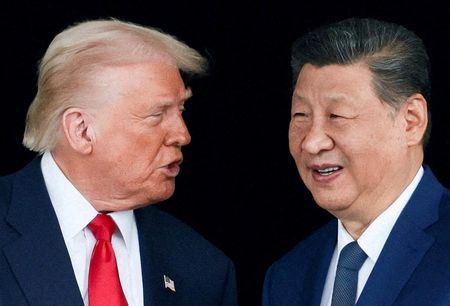

President Donald Trump announced Tuesday that he is rescheduling his planned diplomatic visit to China’s capital to meet with President Xi Jinping, as the ongoing conflict with Iran disrupts American foreign policy priorities and stalls efforts to improve relations between the two economic superpowers.
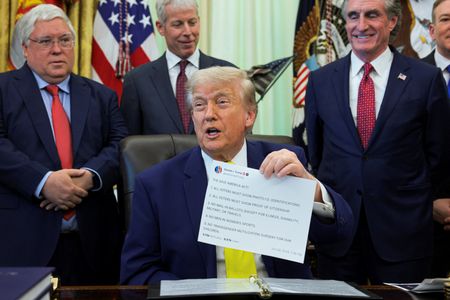
Speaking to members of the media from the Oval Office, Trump stated, “We are resetting the meeting. We’re working with China. They were fine with it.”
The president had originally planned to visit Beijing from March 31 through April 2, marking his first journey to China during his current 14-month second presidential term. According to Trump, the rescheduled meeting will occur in “about five or six weeks,” though the White House has not announced specific new dates.
A representative from the Chinese embassy in Washington confirmed ongoing discussions about the visit timing, saying, “China and the U.S. remain in communication on President Trump’s visit to China, including the dates. I have nothing to add at the moment.”
The rescheduled diplomatic meeting creates additional uncertainty in both financial markets and international relations, as the Iranian conflict has pushed oil costs upward, created threats to maritime commerce through the Strait of Hormuz, and increased investor concerns about energy supply chains.
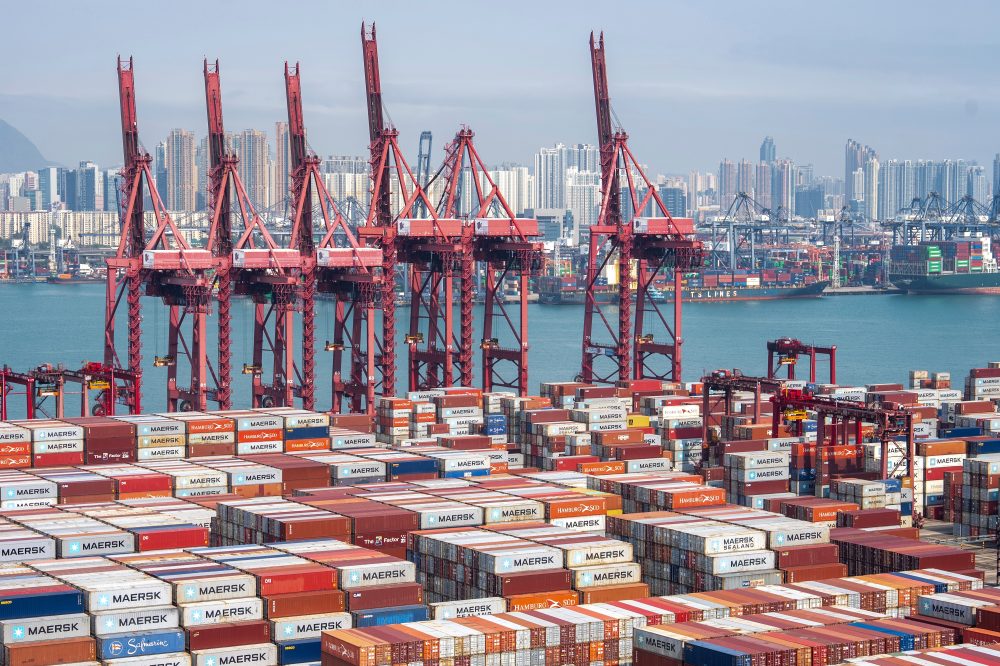
The postponement also puts on hold negotiations aimed at reducing tensions between Washington and Beijing across multiple areas including Taiwan, trade tariffs, semiconductor technology, narcotics trafficking, rare earth minerals, and agricultural trade.
Trump’s military campaign in Iran has created widespread military and economic ripple effects that have demanded focus from throughout his administration.
According to a source familiar with the Beijing visit planning, the optics of Trump participating in an elaborate state ceremony appeared increasingly inappropriate given America’s economic challenges and the return of fallen American military personnel from Middle East operations.
Iran has responded to combined American-Israeli military strikes by issuing threats to attack ships traveling through the Strait of Hormuz.
Trump’s appeals for international support have been largely unsuccessful so far. China, which brought in approximately 12 million barrels of oil per day during the first two months of 2026 – more than any other nation – has not provided a direct response to his requests for assistance.
Chinese Foreign Ministry spokesperson Lin Jian stated earlier Tuesday that characterizing the visit delay as resulting from disagreements over the strait would be “misguided.”
Beijing had never formally announced specific dates for Trump’s visit, and typically does not reveal Xi’s schedule until just days beforehand.
Trump’s most recent meeting with Xi occurred in October in South Korea. His last trip to China took place in 2017.
Advance preparations for the planned meeting included discussions this week in Paris between American Treasury Secretary Scott Bessent and Chinese Vice Premier He Lifeng.
Those Paris negotiations centered on potential expanded Chinese purchases of American farm products including poultry, beef, and various non-soybean crops. The officials also addressed increasing supplies of rare earth minerals that China largely controls, along with new strategies for managing trade and investment relationships between the nations, according to sources with knowledge of the discussions.