
A coalition of human rights organizations is pushing back on FIFA’s claim that this year’s World Cup was the most inclusive ever, saying that tight U.S. visa restrictions locked out thousands of fans and workers who wanted to attend the tournament.
The Sport & Rights Alliance made the criticism public on Thursday, pointing out that while the tournament grew significantly — expanding from 32 to 48 teams and giving smaller soccer nations a chance to compete on the world stage — many supporters from those very nations couldn’t get into the country to watch.
Ronan Evain, executive director of Football Supporters Europe, described the scope of the problem: “A country like Morocco, we’re still struggling to look for anyone that was able, any ticket holder that was able, to get a visa for the World Cup. The same applies to Egypt, the same applies to Jordan, the same applies to Iraq, the same applies to Uzbekistan.”
“The claim that FIFA has made welcome to the world, unite the world to the World Cup has largely failed,” Evain added.
The tournament was co-hosted by the United States, Canada, and Mexico. Neither FIFA nor the White House responded when asked for comment.
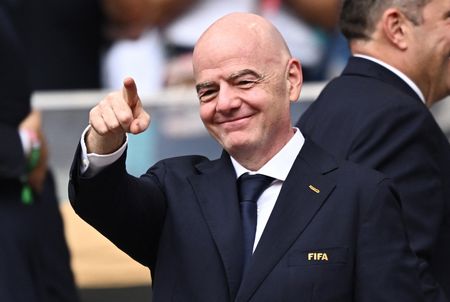
At the start of the competition, FIFA President Gianni Infantino acknowledged that visa and immigration decisions ultimately fall under the authority of national governments. Meanwhile, U.S. Homeland Security Secretary Markwayne Mullin stood by the visa denials, stating that his department had been in communication with FIFA officials throughout the process.
On the eve of the tournament’s opening, Infantino’s message to critics was simply to “chill, relax” — even as Somali World Cup referee Omar Abdulkadir Artan was turned away at the U.S. border despite holding a valid visa. The Trump administration said Artan was denied entry due to alleged ties to “suspected members of terror organisations.”
Several countries, including Senegal, had almost no representation in the stadium stands after the U.S. suspended visa issuance to most citizens of those nations.
Before the tournament even began, the Sport & Rights Alliance had already raised red flags about safety for journalists and fans, warning that FIFA had allowed a “distinctively dangerous climate of fear” to take hold amid the administration’s immigration enforcement efforts.
The organization plans to release a detailed report on human rights concerns related to the tournament this coming September.
Not all of the news was negative. Minky Worden, director of global initiatives at Human Rights Watch, acknowledged some bright spots: “This World Cup has had much to celebrate, including Haiti’s joyous World Cup participation, the first in 52 years, Cape Verde’s Cinderella run, and, of course, rainbow flags flying at Pride Match Day in Seattle.”
“But the dark side of policies by the tournament’s principal hosts has also been inescapable,” Worden said.