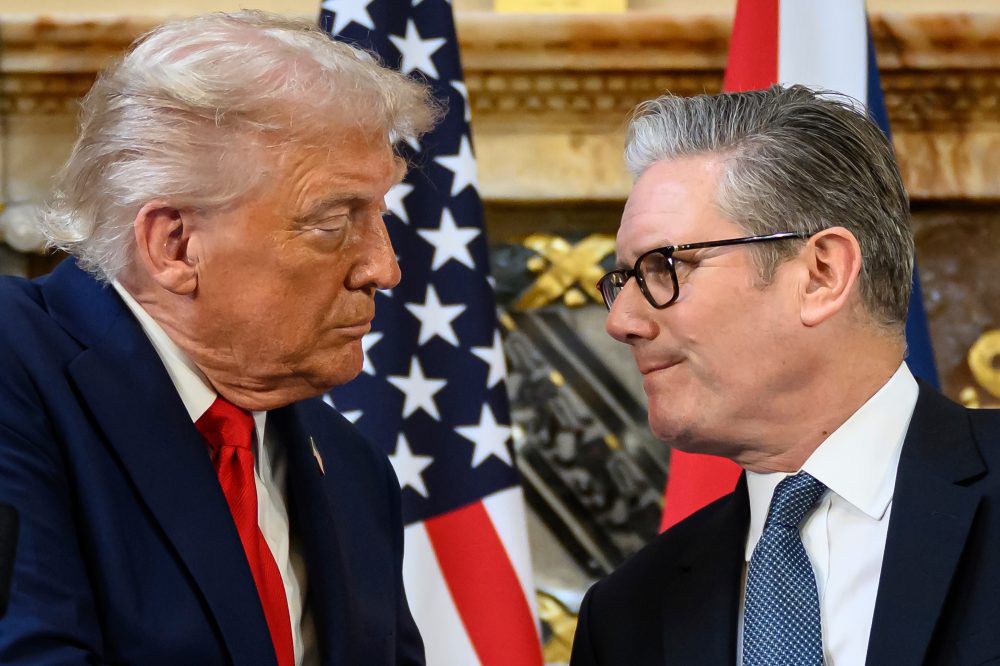

LONDON — British Prime Minister Keir Starmer has consistently avoided public criticism of Donald Trump throughout their political relationship.
However, that diplomatic courtesy isn’t being returned as Trump openly criticizes the UK leader for his unwillingness to fully support American-Israeli military operations against Iran.
This disagreement is creating turbulence in a diplomatic partnership that Starmer had carefully cultivated, adding more pressure to already strained Atlantic relations affected by Trump’s “America first” policies and transactional diplomatic style.
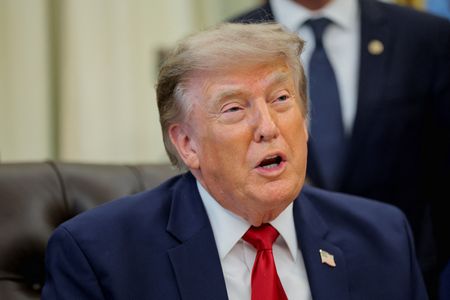
“This was the most solid relationship of all. And now we have very strong relationships with other countries in Europe,” Trump stated during a Tuesday interview with British newspaper The Sun.
“I mean, France has been great. They’ve all been great,” Trump continued. “The U.K. has been much different from others.”
“It’s very sad to see that the relationship is obviously not what it was,” he concluded.
Initially, Starmer prohibited U.S. aircraft from operating out of British military installations for Saturday’s Iran operations. He subsequently permitted American forces to utilize English bases and the Diego Garcia facility in the Indian Ocean for targeting Iran’s missile systems and storage facilities, while refusing access for broader military objectives.
Following an Iranian drone attack on the British Akrotiri base in Cyprus during the weekend, Starmer maintained that Britain “will not join offensive action.”
The UK leader delivered an unusual, though indirect criticism of Trump’s approach, stating Britain rejects “regime change from the skies.”
“Any U.K. actions must always have a lawful basis and a viable, thought-through plan,” Starmer addressed Parliament on Monday.
“President Trump has expressed his disagreement with our decision not to get involved in the initial strikes, but it is my duty to judge what is in Britain’s national interest,” Starmer continued.
The Financial Times characterized this as Starmer’s “Love Actually moment” — referencing the 2003 film scene where Hugh Grant’s British prime minister confronts Billy Bob Thornton’s intimidating American president.
Tensions between the leaders have been escalating over recent months. Starmer and fellow European officials condemned Trump’s territorial ambitions regarding Greenland earlier this year. Trump has also criticized Britain’s decision to transfer the Chagos Islands, which house the Diego Garcia base, to Mauritius, despite his administration’s previous support for the arrangement.
Former British Foreign Office chief Peter Ricketts told The Observer that Trump’s America has “effectively given up on any effort to be consistent with international law.”
This represents a fundamental conflict for Starmer, a former barrister and England and Wales’ ex-chief prosecutor who prioritizes legal compliance.
This dispute undermines Starmer’s attempts to build rapport with Trump following his 2025 return to the presidency. Britain arranged a royal state visit with King Charles III for Trump, and Starmer has repeatedly commended the president’s ongoing efforts to resolve the Russia-Ukraine conflict.
The Iranian conflict has created divisions among European leadership, with reactions ranging from condemnation to endorsement.
NATO Secretary-General Mark Rutte expressed complete support for Trump’s Iranian military action and the killing of Iran’s supreme leader, describing the conflict as vital for European security.
Britain, France, and Germany issued a joint statement saying they weren’t participants in the strikes but were ready to support “necessary and proportionate defensive action to destroy Iran’s capability to fire missiles and drones at their source.”
Spanish Prime Minister Pedro Sánchez denounced the strikes as “unjustifiable” and “dangerous.”
British public opinion surveys indicate widespread skepticism about American justifications for the conflict. However, Conservative politicians have attacked Starmer for avoiding military participation. Conservative Party leader Kemi Badenoch declared her party “stands behind America taking this necessary action against state-sponsored terror.”
Foreign Office Minister Stephen Doughty rejected suggestions that the U.S.-UK “special relationship” was deteriorating.
“Our relationship with the United States is strong,” he told Parliament Tuesday. “It has endured, it continues to endure, and it will endure into the future on both the economic and the security fronts.”