
President Donald Trump announced Saturday that a peace agreement between the United States, Iran, and multiple Middle Eastern nations is mostly complete, though prominent Republican senators are expressing serious reservations about the potential deal.
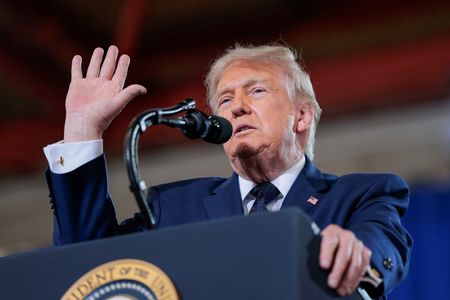
Through a Truth Social message, President Trump revealed he held discussions from the Oval Office with officials from Saudi Arabia, the United Arab Emirates, Qatar, Pakistan, Turkey, Egypt, Jordan, and Bahrain about “all things related to a Memorandum of Understanding pertaining to PEACE.”
“An Agreement has been largely negotiated, subject to finalization between the United States of America, the Islamic Republic of Iran, and the various other Countries, as listed,” President Trump posted. He mentioned having a separate discussion with Netanyahu that “went very well.”
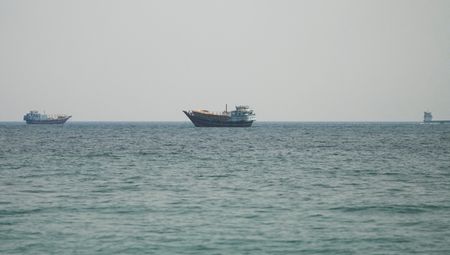
“Final aspects and details of the Deal are currently being discussed, and will be announced shortly,” he stated, noting that “the Strait of Hormuz will be opened.”
Mississippi Sen. Roger Wicker and South Carolina Sen. Lindsey Graham both voiced skepticism about the potential arrangement. “This combination of Iran being perceived as having the ability to terrorize the Strait in perpetuity and the ability the inflict massive damage to Gulf oil infrastructure is a major shift of the balance of power in the region and over time will be a nightmare for Israel,” Graham posted on X Saturday.
Wicker, the chairman of the Senate Armed Services Committee, indicated these negotiations could define President Trump’s presidential legacy and called on him to “finish what we started.”
In an earlier Saturday interview with Axios reporter Barak Ravid, President Trump estimated there was a “solid 50/50” probability that America would either restart military action against Iran or achieve what he characterized as a beneficial deal.
“I think one of two things will happen: either I hit them harder than they have ever been hit, or we are going to sign a deal that is good,” he stated.
The president emphasized that any final agreement must tackle uranium enrichment and Iran’s existing stockpile of enriched uranium, though Axios indicated these nuclear concerns would likely not be immediately addressed in the current memorandum under consideration.
Israeli broadcaster N12 disclosed that Netanyahu called together his security cabinet due to worries that the proposed agreement could harm Israel’s interests.
According to reports, the arrangement would require Iran to reopen the Strait of Hormuz in return for economic incentives, while future discussions would address Tehran’s nuclear activities and uranium reserves. Iran’s ballistic missile capabilities were reportedly excluded from these negotiations.