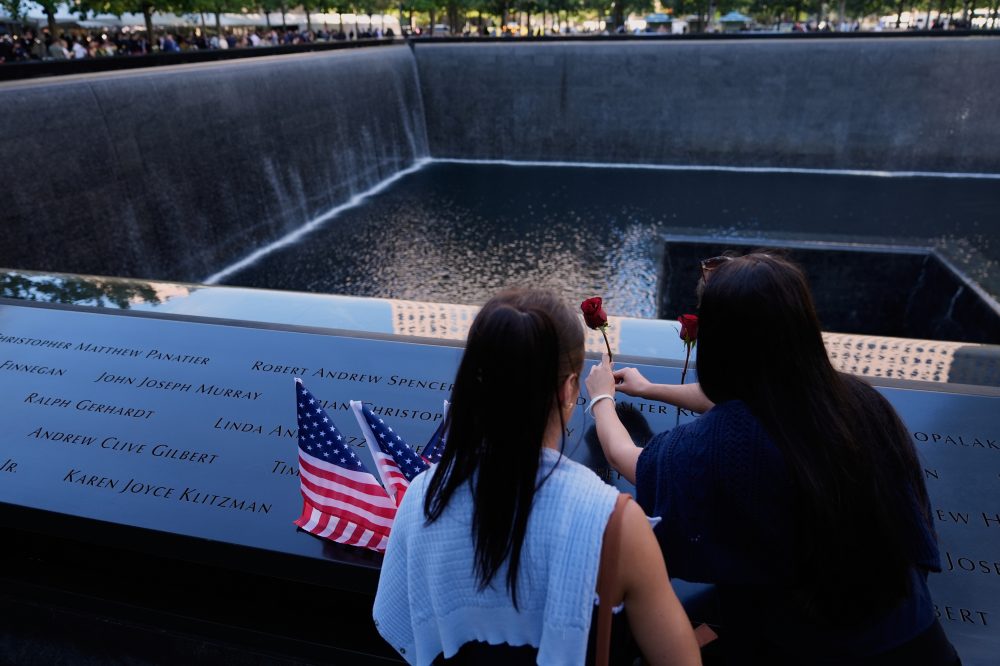

NEW YORK — As the 25th anniversary of the September 11 attacks approaches, the 9/11 Memorial and Museum has unveiled a major $75 million fundraising initiative aimed at educating young Americans who have no personal memory of that tragic day.
The campaign, which organizers revealed Wednesday, has received significant backing from Mike Bloomberg, the former New York City mayor who chairs the memorial organization. Through his Bloomberg Philanthropies, he has committed to matching donations up to $25 million. The initiative, called The Never Forget Fund, has already secured its initial $25 million through unnamed early contributions.
Since opening in 2014 at the location where terrorists flew hijacked planes into the World Trade Center towers in lower Manhattan, the memorial has welcomed approximately 97 million visitors, while the museum has hosted nearly 28 million guests. However, the organization has faced financial challenges in recent years due to pandemic-related shutdowns and previous administration attempts to gain control of the facility.
Beth Hillman, who serves as the organization’s president and CEO, explained that establishing stable funding is essential to reach the estimated 100 million Americans born after the attacks occurred. The initiative aims to present the response to 9/11 as inspiring acts of community service while providing fundamental information through new exhibits and educational resources.
“The ongoing importance of remembering 9/11 is to remind people that they can come together even in the face of incredible loss,” Hillman told the Associated Press.
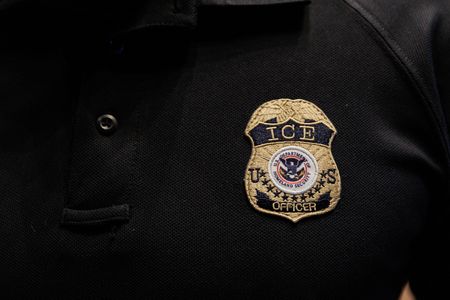
The September 11, 2001 attacks, which claimed nearly 3,000 lives, continue to generate debate about their legacy. Younger Americans have grown up knowing only a world with airport security screenings, immigration enforcement, and other protective measures implemented afterward. Many encounter the events through internet memes featuring the famous image of then-President George W. Bush receiving news of the attacks, while various conspiracy theories circulate about government foreknowledge.
The memorial’s message of unity also faces scrutiny. The attacks led to two decades of overseas military conflicts that became increasingly controversial as casualties mounted. Young American Muslims who came of age during this period have encountered prejudice and suspicion.
Looking toward September’s milestone anniversary, Hillman envisions sharing a “compelling story of service, of hope, of resilience, of coming together” with those who didn’t experience that era firsthand. These narratives will be featured in a new display titled “In Their Honor.” She highlighted how celebrity chef Bobby Flay joined numerous other chefs in cooking for first responders during the months following the attacks. Theater professionals brought lighting equipment to illuminate the darkened ground zero area. Families who lost loved ones established charitable organizations like 9/11 Day to encourage volunteer work honoring their deceased relatives. The organization also wants to raise awareness about first responders who developed long-term health problems and continue facing healthcare access challenges.
According to Hillman, the fundraising proceeds will maintain free museum entry for students, first responders and veterans. “We don’t want the price to be a barrier to them,” she stated. Regular adult tickets currently cost $36, and the nonprofit’s website indicates it “relies primarily on ticket sales to help fund its operational costs.”
The organization intends to expand its educator outreach with these funds. As teachers begin careers without having lived through September 11, Hillman said they want to assist with curriculum development. The nonprofit conducts summer teaching institutes, provides professional training programs, and produces an annual 30-minute documentary featuring personal accounts.
Hillman recognized there’s now a greater “degree of distraction and confusion” compared to earlier efforts to commemorate recent historical events. She believes there’s a need for “simple representations of what happened.” The March/April edition of The National Council for the Social Studies’ publication, guest-edited by memorial staff, includes a timeline of September 11, 2001’s morning events.
“9/11 is heavy and compelling and full of inspiring stories,” Hillman said. “But also, just a trusted set of what happened on that day, of materials that can convey the basics of it — that’s the beginning of people learning and starting to understand, too.”
Alex Edgar, a Gen Z civic leader collaborating with a group called Made By Us to strengthen youth participation before the United States’ 250th birthday, recognizes merit in highlighting service’s impact. His generation, he noted, has “never really seen a country that has worked” or one that “really lived up to the promise of America.” He believes stories about overcoming divisions to achieve common objectives can counter the political polarization young people frequently witness.
However, he stressed that such messages must extend beyond “classroom walls and museum doors.”
“They invite young people to consider what’s preventing us from using any of the issues of our time as a rallying cry for folks to come together across backgrounds to build the type of country, the communities, that we want to live in,” he said.