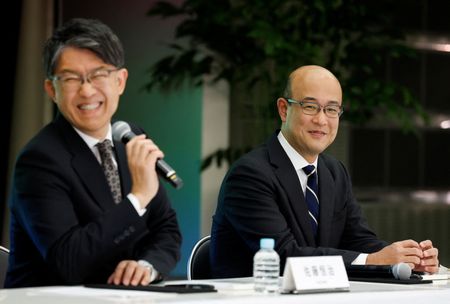

The world’s largest automaker is making a surprising leadership change as Toyota announces CEO Koji Sato will step down after just three years in the top position, one of the shortest tenures in company history.
Sato, who took over as chief executive in 2023, was initially viewed as the perfect leader to accelerate Toyota’s electric vehicle development. However, Chief Financial Officer Kenta Kon will assume the CEO role in April, while Sato transitions to vice chairman and chief industry officer.
Despite achieving record-breaking sales and profits during his leadership, three sources familiar with the situation indicate that Chairman Akio Toyoda believes his chosen successor no longer fits the company’s current needs amid rising cost challenges.
The leadership transition comes as Toyota faces increased financial pressure from U.S. tariffs and the need for substantial technology investments. Company insiders noted that Sato had been notably absent from several major events that Toyoda attended in recent months, sparking internal speculation about his future.
However, Toyota maintains that Toyoda played no role in the personnel decision. Senior analyst Seiji Sugiura from Tokai Tokyo Intelligence Laboratory offered a different perspective: “Toyota keeps emphasising, over and over, that Akio Toyoda wasn’t involved in the personnel decision. Mr. Sato also says the same thing very carefully – which means he probably was involved.”
The company stated that an executive appointment committee had been considering succession plans since last year, with discussions intensifying when Sato’s appointment to lead Japan’s automotive industry association was confirmed in late 2025.
Kon brings extensive experience as Toyoda’s former secretary for eight years and is recognized for developing a proposed acquisition of forklift manufacturer Toyota Industries. This deal would strengthen the Toyoda family’s control over a crucial supplier, though minority shareholders have criticized it as lacking transparency and being undervalued.
The leadership change reflects Toyota’s growing emphasis on cost management, particularly its “break-even” metric – the minimum vehicle sales needed to cover operational expenses. The company has pledged to absorb additional costs affecting its suppliers, adding financial strain since new tariffs took effect in April.
“Over the past year or so, they’ve been talking a lot about needing to lower the break‑even point,” Sugiura explained, suggesting more aggressive cost-reduction measures under Kon’s leadership.
During the leadership announcement, Kon emphasized that Toyota must remain “vigilant” to survive challenging external conditions. The incoming CEO currently serves dual roles as CFO for both Toyota and its technology division, Woven by Toyota, where Chairman Toyoda’s son Daisuke holds a senior executive position.
Toyota expects to invest 360 billion yen ($2.3 billion) this fiscal year supporting suppliers, viewing this expenditure as competitive investment rather than merely operational costs. The automaker recently increased its annual profit forecast by 12%, aided by cost-reduction efforts and its successful focus on hybrid vehicles while other manufacturers struggled with pure electric vehicle strategies.
The management transition occurs as Toyota executives express concern about falling behind competitors in software development, even as electric vehicle demand has cooled globally, making EVs a less immediate competitive threat.