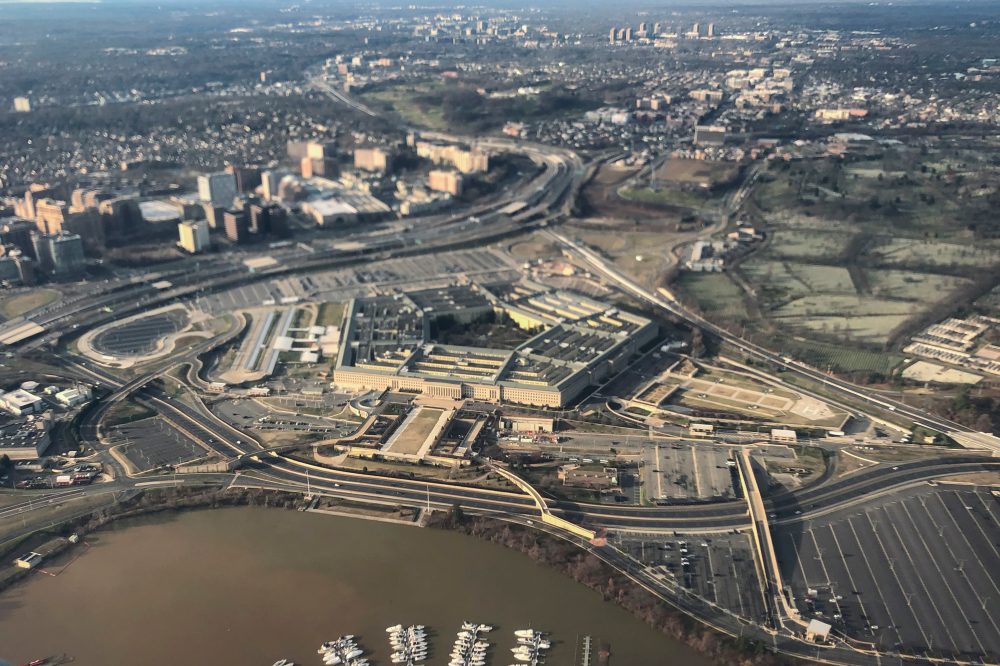

WASHINGTON — Legal representatives for The New York Times returned to federal court Monday, claiming the Pentagon continues to defy a judicial ruling that struck down restrictive media access regulations at the Defense Department’s main facility.
Federal Judge Paul Friedman heard additional arguments from both the newspaper’s legal team and Trump administration officials but did not issue an immediate decision from the courtroom. The Times maintains that Pentagon leadership has created an alternative press policy designed to work around the judge’s March 20 decision.
Earlier this month, Friedman ruled in favor of The Times, determining that the Pentagon’s updated credentialing requirements infringed upon reporters’ First Amendment free speech protections and due process guarantees. His ruling mandated the restoration of press credentials for seven Times journalists and emphasized the decision covered “all regulated parties.”
Attorney Theodore Boutrous, representing The Times, told the court that Pentagon officials responded to Friedman’s directive by creating an updated policy featuring “radical new restrictions” on media personnel.
“They’ve only made things worse,” Boutrous stated.
Defense Department lawyer Sarah Welch countered that the military’s updated media access guidelines contain multiple “safe harbors” that protect journalists conducting standard news reporting activities. “The department has fully complied in good faith with that (March 20) order,” Welch informed the judge.
According to a court document filed Sunday, Times national security correspondent Julian Barnes described how Pentagon personnel informed him and fellow reporters last week that their updated credentials would provide entry to a designated press space within the Pentagon library. However, Barnes explained that journalists could only reach the library via a hallway or shuttle service they lacked authorization to use — a situation that drew a sharp reaction from Friedman.
“How weird is that?” the judge questioned. “Is it Catch-22? Is it Kafka? What’s going on here?”
Last October, journalists from major news organizations left the building rather than accept the updated regulations. The Times filed legal action against the Pentagon and Defense Secretary Pete Hegseth in December to contest the policy.
Legal counsel for The Times charged the Pentagon with breaking both “the letter and spirit” of the judge’s March 20 ruling by creating a substitute “interim” policy requiring credentialed journalists to have escorts when entering the facility. The newspaper’s attorneys argue the newest policy also establishes unprecedented guidelines governing when reporters may grant anonymity to information sources.
“The intent is obvious: The Interim Policy is an attempted end-run around this Court’s ruling,” attorneys for the newspaper stated.
Government legal representatives maintained that the Pentagon’s substitute policy completely adheres to the judge’s instructions.
“In effect, Plaintiffs ask this Court to expand the Order to prohibit the Department from ever addressing the security of the Pentagon through a press credentialing policy with conditions that may address similar topics or concerns as the enjoined conditions. The Order does not say that, and this Court should not read it to say that,” Justice Department lawyers argued.
Pentagon spokesman Sean Parnell previously announced the administration’s intention to appeal Friedman’s March 20 ruling.
The Pentagon Press Association, whose membership includes Associated Press journalists, stated that the Pentagon’s temporary policy maintains elements that Friedman ruled unconstitutional while introducing additional restrictions on credential recipients.
“The Interim Policy moves reporters’ workspace to an annex facility outside the Pentagon and prohibits any reporter from moving within the Pentagon itself without an escort, further limiting their ability to actually do journalism in the forum designated specifically for that purpose,” wrote an association lawyer.
The existing Pentagon press corps consists primarily of conservative media organizations that accepted the policy. Reporters from outlets that declined to agree to the updated regulations, including the AP, have maintained their military coverage.
Friedman, appointed by Democratic President Bill Clinton, noted in his ruling that recent U.S. military actions in Venezuela and Iran underscore the importance of public access to information regarding government operations.