
Thailand announced Friday it will participate in a United Nations arbitration process that Cambodia has initiated to resolve an ongoing maritime boundary disagreement, while simultaneously suspending other bilateral negotiations between the two nations.
Cambodia this week launched a mandatory conciliation procedure under the United Nations Convention on the Law of the Sea (UNCLOS), following Thailand’s decision last month to unilaterally terminate a 2001 framework agreement for discussions regarding a disputed maritime area.
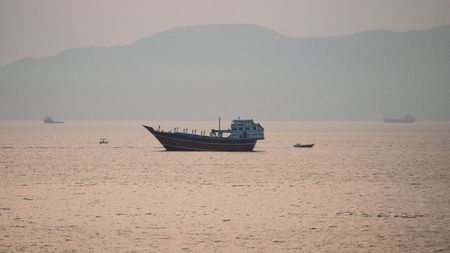
The two countries have been locked in a dispute for over 25 years regarding approximately 26,000 square kilometers (10,000 square miles) of ocean territory in the Gulf of Thailand. The contested area is believed to contain nearly 12 trillion cubic feet of natural gas and substantial oil reserves, with an estimated total worth of $300 billion.
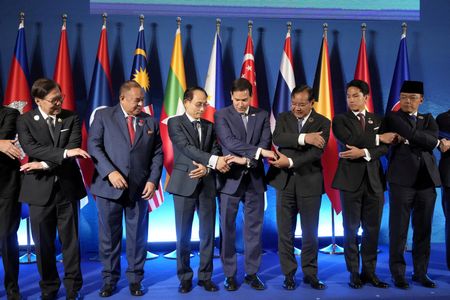
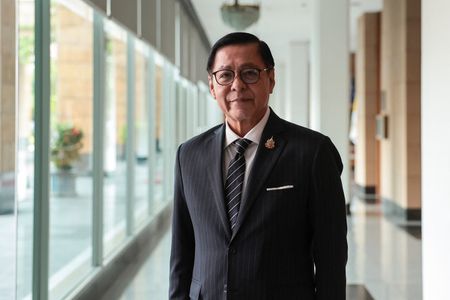
Foreign Minister Sihasak Phuangketkeow announced Friday that Thailand will dispatch two representatives to the UN-supported negotiations, though he expressed disappointment with Cambodia’s decision to also address resource-sharing issues during the proceedings.
“I told my Cambodian colleagues, ‘Why don’t we give talks a chance? Six months or something,’” he said during an interview with Reuters.
“‘If we cannot make progress, then we can agree on the next step, which of course includes compulsory conciliation, but it also includes voluntary conciliation.’”
Sihasak noted that Cambodia announced its decision to pursue the mandatory conciliation process publicly on Tuesday before formally informing Thailand.
“And since June 2, we’ve not had any discussion informally, formally with the Cambodian side.”
When contacted by Reuters, Cambodian Foreign Minister Prak Sokhonn stated that bilateral attempts to resolve the disagreement had been depleted, leading to Cambodia’s decision.
“Cambodia hopes that the Thai government will engage with this process in good faith,” he stated.
Thai Prime Minister Anutin Charnvirakul declared that despite participating in the mediation, Thailand will not engage in any other bilateral discussions, including those aimed at managing and resolving land border disputes.
“We will use UNCLOS, which means from now on there will be no more talks … or other forms of cooperation,” he stated. “We will not discuss the restoration of relations yet.”
He added that all border crossings between Thailand and Cambodia would remain closed.
Relations between the nations have been strained following two periods of severe border conflicts last year that resulted in nearly 150 deaths and displaced at least 300,000 people on both sides, though a December ceasefire remains in effect.
Sihasak, who also serves as Thai deputy prime minister, said Cambodia’s selection of mandatory conciliation, which involves a five-member panel providing non-binding recommendations, will not enhance overall relations between the countries.
“We simply don’t agree with how they approached this,” he said.
To date, only East Timor, also called Timor Leste, has successfully utilized the UN-supported process to resolve a lengthy maritime dispute with Australia, completing the process in just under two years.
“If we do this through bilateral talk in a friendly way, it may take a shorter time to reach an amicable solution,” Sihasak said. “Now, we don’t know how long this will take.”