
AUSTIN, Texas — Teenage staff members at Camp Mystic received zero emergency preparedness training and hesitated to take action during the devastating 2025 flood that claimed 27 lives, according to findings presented to Texas legislators on Monday.
Legislative committee investigator Casey Garrett delivered a comprehensive report detailing how the all-girls Christian camp’s culture of strict obedience, combined with inadequately prepared young staff and delayed response to flood warnings, contributed to the July Fourth tragedy that killed 25 campers and two teenage counselors.
“There was never any real training, no drills of any kind,” Garrett explained during the committee’s inaugural hearing examining the flood that devastated the Guadalupe River camp. She emphasized that neither staff nor campers knew proper procedures for flood emergencies.
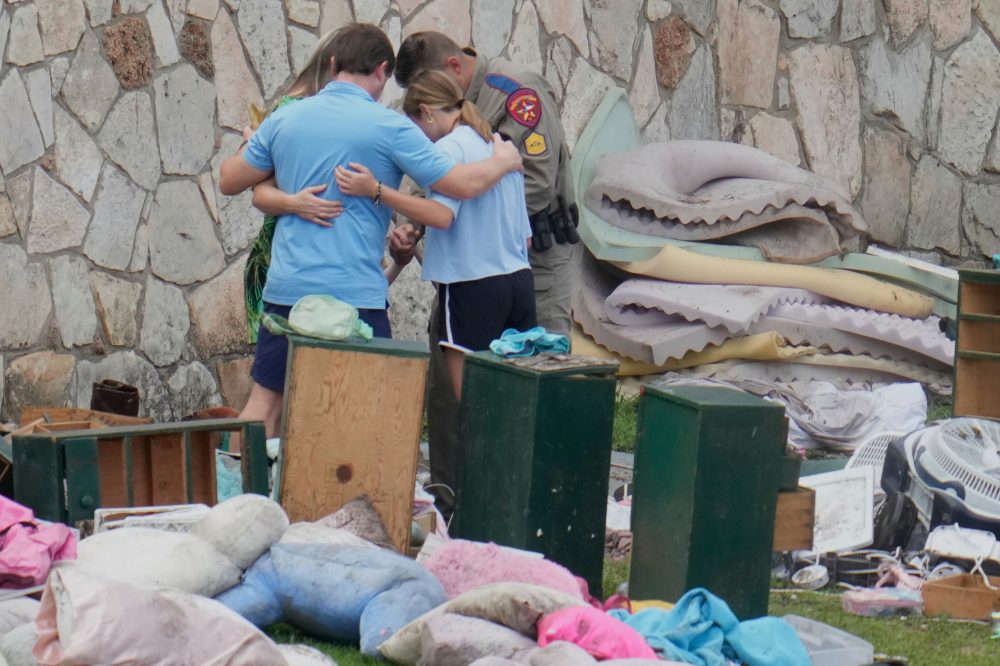
The victims included camp owner Richard Eastland, who died attempting to evacuate children to safety. Most of those who perished were under 10 years old, with several attending their first camp experience.
Garrett, a Houston lawyer who previously worked on the legislative investigation into the 2022 Uvalde school shooting, highlighted the absence of adequate emergency protocols throughout her presentation to the packed committee room filled with grieving family members.
The investigation revealed disturbing survival stories, including one camper who described floodwater rising so high in her cabin that her chin nearly touched the ceiling before she escaped. Another counselor reported having to submerge girls underwater to push them through flooded cabin doorways.
Committee members viewed harrowing footage showing water bursting through building cracks and heard cellphone video from a stranded camper calling for help in the darkness as flood waters raged around her.
A critical flaw identified was the camp’s inadequate evacuation procedures. The only guidance provided to girls in flood-prone areas was a single paragraph instructing them to “stay in their cabins unless told otherwise by the office,” claiming all structures were built in “high, safe locations.” State inspectors had approved this plan just two days before the disaster.
When conditions deteriorated, some counselors eventually took initiative, pushing children through cabin windows so they could climb uphill to safety.
“It wasn’t a plan. It wasn’t a safe plan, It was an option taken, thank God,” Garrett stated. “It was very ad hoc.”
Several staff members told investigators they were too frightened to move children to higher ground without explicit authorization, fearing disciplinary action from camp leadership.
The report described an “obedience-encouraged” environment controlled by Richard Eastland, whom family and staff called “The General” and “The Eagle.”
“He ruled,” his widow Tweety Eastland told investigators, with several Eastland family members present at Monday’s hearing.
“He was running the show over there … You just really didn’t cross him,” Garrett observed.
The camp depended almost entirely on Richard Eastland for flood emergency decisions. His son Edward testified in recent legal proceedings that any comprehensive evacuation strategy existed only in his father’s mind.
Richard Eastland’s body was discovered in his vehicle alongside several girls he had attempted to drive to safety. Edward Eastland survived after floodwaters swept him into a tree, while camp security officer Glenn Juenke also survived despite being trapped in a flooded cabin with campers.
Despite the tragedy, Garrett acknowledged Richard Eastland’s positive impact, describing him as a beloved leader who taught countless girls to fish and had a special talent for comforting homesick first-time campers.
“We do know Dick Eastland loved every little girl who came to Camp Mystic,” Garrett said.
The camp’s plans to partially reopen in late May, expecting nearly 900 girls this summer, have sparked outrage among victims’ families. Several prominent state officials have urged regulators to reject or postpone the camp’s license renewal, currently under review.
State regulators have already identified nearly two dozen deficiencies in the camp’s proposed safety plan, including inadequate flood warning monitoring and evacuation procedures.
Following last year’s tragedy, Texas legislators enacted new requirements for detailed emergency planning, staff training, and warning system installation.
Since the Legislature won’t reconvene until January 2027 and the committee lacks authority over camp licensing, lawmakers indicated they plan to use these findings to develop new regulations for all camps statewide.
“Texas’ grief is enduring,” stated Sen. Pete Flores. “We cannot change what happened, but we can change how we prepare for and respond to the next emergency.”