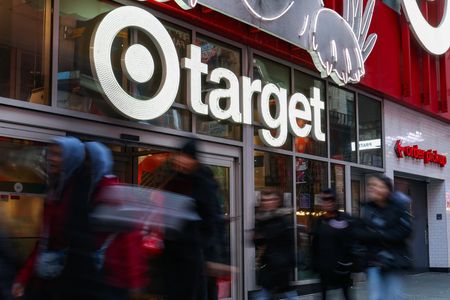

Target is implementing a new business strategy focused on attracting young families as the retail giant works to reverse a prolonged period of declining sales and compete with budget retailers like Walmart and TJX that have drawn away customers in recent years.
The retail chain believes it can gain a competitive advantage by attracting new parents and maintaining their loyalty as their children grow up. While Walmart dominates as the preferred destination for everyday family essentials like milk, bread and diapers, Target aims to position itself as the go-to store for more specialized products including baby clothing, toy collections and vitamin supplements.
On Wednesday, the company announced its first strong quarterly earnings in twelve months. During a conference call following the earnings release, Cara Sylvester, Target’s chief merchandising officer, revealed that the company has introduced 2,000 new products to its baby section this year, specifically targeting busy families.
The retailer saw sales increase by 5.6% compared to the previous year and raised its net sales growth projection to 4%, doubling the previous forecast. New CEO Michael Fiddelke is committing $2 billion to improve the product selection, renovate stores and increase staffing levels.
However, retailers continue to face significant challenges as the Iran war has driven up inflation and made consumers more cautious about spending. Target’s stock price dropped 5% following the earnings report.
“I continue to expect share losses in some of these categories, like apparel and home, as competition remains quite strong,” said Mari Shor, senior equities analyst at Target shareholder Columbia Threadneedle.
The company has broadened its toy selection while introducing 1,500 health and wellness items, including family-focused products such as First Day vitamins for kids and teens, and Tubby Todd baby body lotion.
“Attempting to build a relationship with busy families could prove to be helpful in re-establishing a longer-term relationship with their customer base,” said Morningstar analyst Brett Husslein.
According to Husslein, Target has struggled in recent years to establish itself as the primary destination for any specific product category or customer demographic, losing budget-minded shoppers to stores like Walmart while failing to attract younger, affluent consumers seeking clothing and accessories.
Research from a 2025 survey conducted by 84.51, a retail analytics company owned by Kroger Co., indicates that people typically become more price-sensitive and appreciate the convenience of one-stop shopping after having children.
Fiddelke, whose hiring last year faced some doubt, told media this week that Target’s recovery strategy depends on combining “style, design and value.”
Since taking charge, Fiddelke has reorganized company management, including bringing in former Walmart executive Jeff England to oversee Target’s supply chain operations.
The retailer’s new baby product lineup includes both budget-friendly options such as store-brand baby wipes, food and shampoo, as well as premium brands like Bugaboo, whose strollers can exceed $2,000.
Target has established “baby boutiques” in 200 locations, allowing parents to test strollers, examine bassinets outside their packaging and consult with shopping specialists.
Given that Walmart remains the more affordable choice overall, Target’s success “will be vitally dependent on its ability to consistently execute … through store experience and merchandise assortment,” Husslein noted.