
Taiwan’s economy minister announced Saturday that a leading energy-producing nation has pledged to support the island’s liquefied natural gas requirements amid ongoing Middle East conflicts affecting regional energy supplies.
The semiconductor manufacturing hub previously depended on Qatar for approximately one-third of its LNG imports before regional tensions escalated. Taiwan has now arranged alternative energy sources for upcoming months through suppliers including Australia and the United States.
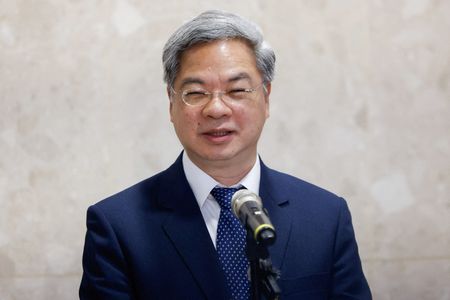
During a press briefing in Taipei, Economy Minister Kung Ming-hsin told reporters that Taiwan’s strong partnerships with oil and gas suppliers mean the country can easily redirect shipment sources or purchase additional spot market cargoes when needed.
Kung revealed that roughly two weeks earlier, an energy minister from an unnamed “major energy-producing country” reached out directly to offer assistance.
“They explained to us that they would fully support our natural gas needs. If we have any demand, we can let them know,” Kung stated.
“Another country even said that some countries have released strategic petroleum reserves, and they could also help coordinate matters if Taiwan needs assistance,” the minister added.
“This shows that Taiwan has in fact earned considerable goodwill internationally through the long-term trust it has built over the years,” Kung emphasized.
The minister chose not to identify which specific countries made these commitments.
At the same briefing, Angela Lin, who speaks for state-owned refiner CPC, confirmed that crude oil stockpiles remain at pre-conflict levels while petrochemical feedstock supplies continue operating normally.
CPC Chairman Fang Jeng-zen outlined plans to reduce Middle East dependency through a new U.S. agreement that will deliver 1.2 million metric tons of LNG yearly, with additional volumes planned for the future, including potential Alaskan supplies.
Fang noted, however, that Taiwan will not pursue crude oil or LNG imports from Russia.