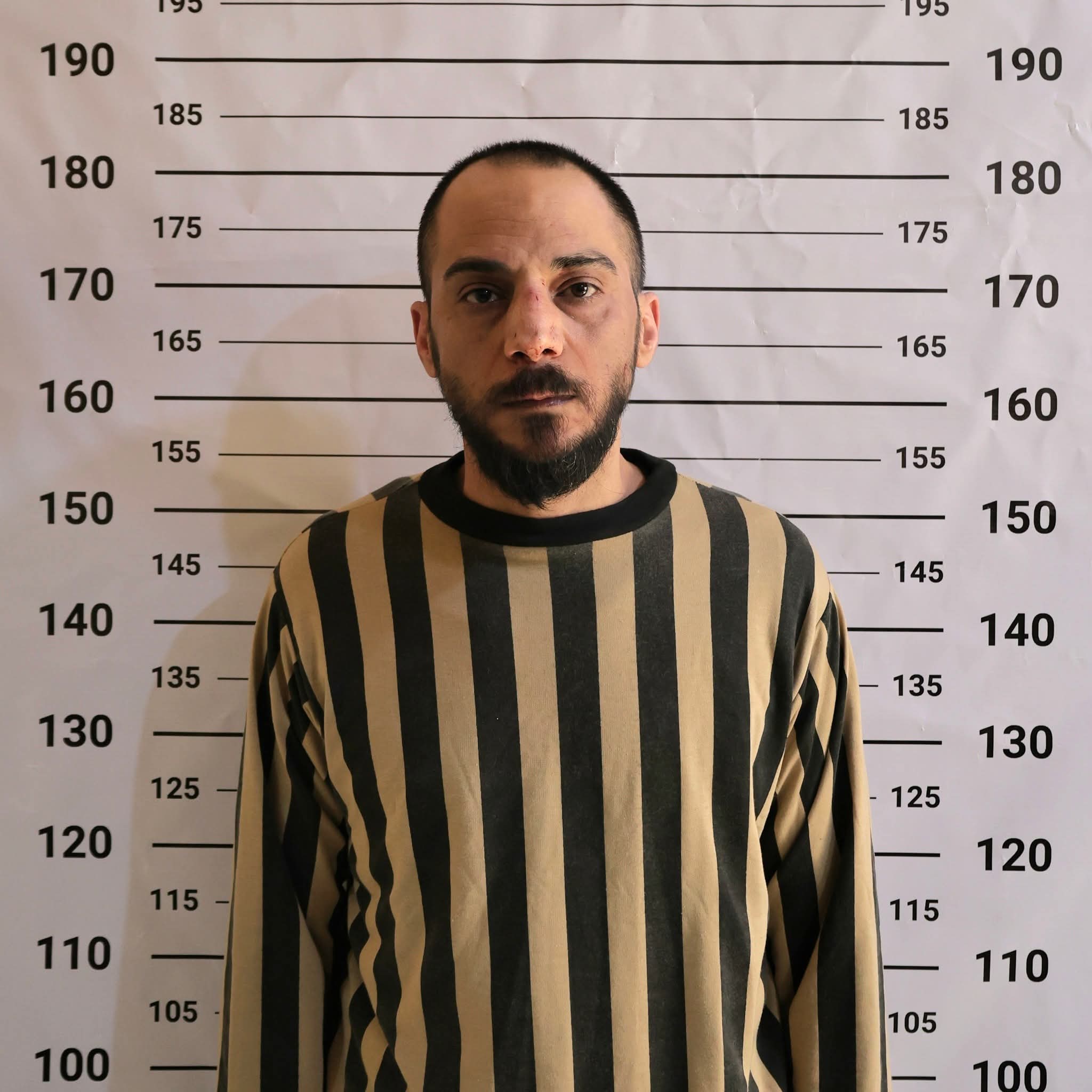

Syria’s Interior Ministry revealed Friday that authorities have captured a man identified as Amjad Youssef, accused of participating in severe human rights violations that were recorded on video during Syria’s civil war, including events connected to mass executions in a Damascus suburb during 2013.
Ministry officials stated that Youssef was captured during a security mission conducted in the al-Ghab Plain region within rural Hama province, after multiple days of intelligence surveillance. The government indicated this operation represents part of continuing initiatives to track down individuals sought for crimes related to the armed conflict that began in Syria in 2011.
Officials have not revealed specific legal charges against the suspect beyond connections to what is called the ‘Tadamon Massacre,’ referencing the Damascus district where the killings took place. Authorities have not clarified if he has been officially transferred to judicial proceedings, though they confirmed he remains under investigation for incidents that happened during the conflict.
Youssef’s identity has surfaced in news coverage and human rights documentation over recent years, with reports connecting him to events in the Tadamon neighborhood of southern Damascus in 2013. The situation drew significant global attention after video evidence was released in 2022 showing the execution of civilians in open areas.
Based on investigative reporting and human rights documentation, Youssef allegedly belonged to an armed unit that took part in detaining civilians during security sweeps in the region before moving some to remote sites within Tadamon, where unlawful killings occurred and victims were subsequently placed in mass burial sites nearby.
These accounts characterize the incidents as connected to military campaigns during the war. The former Assad administration never provided independent legal verification about the specifics of these events or the identities of participants.
The video material, which circulated extensively following its release, generated widespread criticism from human rights groups, who characterized the actions as potentially constituting war crimes and demanded independent investigations and prosecution of those responsible.
The Assad government never officially confirmed the authenticity or details of the recordings.
US Special Envoy to Syria Tom Barrack praised the announcement of Youssef’s capture, referring to him as known by the title ‘Butcher of Tadamon’ for crimes against Syrian citizens. He characterized the action as representing a ‘new model of justice’ in Syria following Assad’s removal, founded on legal principles and national healing.
In a social media post on X, Barrack stated the detention represents a ‘strong step away from impunity toward accountability,’ emphasizing that America supports the Syrian people in seeking justice. He noted that US President Donald Trump backs these initiatives designed to strengthen legal institutions and assist the nation’s recovery.
Youssef is thought to have previously served as an official within Syrian security agencies under Bashar Assad’s leadership, with his identity connected to grave violations in the Tadamon region, including torture, murder and unlawful imprisonment. The moniker ‘Butcher of Tadamon’ stems from survivor accounts documenting these crimes.
The disclosure of Youssef’s detention occurs while accountability for violations during Syria’s conflict remains among the most challenging matters, given continuing political disagreements and difficulties establishing functional international justice systems within the nation. Current Syrian leadership describes the action as efforts to implement ‘transitional justice’ and prosecute former government officials.
Human rights groups have generally supported the arrest, viewing it as a possible step toward addressing historical violations, while emphasizing that true significance depends on ensuring open and equitable trials meeting international standards, separate from political or biased motivations.
The Syrian conflict, which started in 2011, has caused hundreds of thousands of deaths and displaced millions, along with extensive records of serious violations by multiple conflict participants, particularly the Assad government and Islamic State organization.
Authorities have not yet revealed when the suspect will appear in court or provided additional information about anticipated legal actions against him. Observers await further case developments and whether this will result in public prosecution. Millions of Syrians reportedly celebrated the arrest, with public gatherings occurring in certain Damascus areas, especially in Tadamon where the massacre allegedly happened.
The Media Line reports having video evidence and confessions from Youssef acknowledging civilian killings, but has chosen not to publish them because of their extremely disturbing content. Additional footage reportedly shows Youssef directing civilians to execution and burning without legal proceedings.