
A dramatic increase in gang violence involving children has prompted Sweden to consider an unprecedented response: imprisoning 13-year-olds convicted of serious crimes.
The Scandinavian nation has witnessed a dramatic escalation in gang-related violence over the past ten years, with criminal organizations increasingly using minors to carry out shootings and bombings. This trend has distinguished Sweden from other European nations and created a challenging dilemma for officials dealing with violent juvenile offenders.
The current administration, which took office in 2022 and faces a competitive election this September with crime as a central concern, argues that previous lenient policies have proven ineffective. Their solution involves lowering the age of criminal accountability from 15 to 13 and placing convicted minors in specialized detention facilities instead of social services programs.
Criminal organizations in Sweden generate approximately 185 billion Swedish crowns ($20 billion) annually through drug trafficking, large-scale fraud, and theft operations. Law enforcement officials estimate these groups include 17,500 active members and 50,000 associates. These networks exploit social media platforms to recruit teenagers and sometimes children as young as 11 to execute violent crimes throughout the Nordic region.
The proposed legislation would establish Sweden’s criminal responsibility age below that of most European nations. Young offenders convicted of the most severe crimes would be housed in specialized facilities, including one designed specifically for female inmates.
“We have an emergency,” Justice Minister Gunnar Strommer declared in April.
“Last year, 52 children under the age of 15 were involved in legal trials suspected of murder or attempted murder. So we’re not talking about theft, not even assault or robbery. We’re talking about murder.”
Parliamentary representatives will decide on this legislation, which includes a five-year review provision, on June 15.
Reducing the accountability age represents just one strategy in combating gang violence, alongside extended prison terms and enhanced law enforcement authority.
The conservative administration claims its aggressive approach is producing positive outcomes. Fatal shootings decreased to 44 in 2025 from a high of 62 in 2022, while more gang members face incarceration.
However, preventing criminal recruitment of children presents a greater challenge. Officials believe imprisonment will serve as a deterrent while intensive rehabilitation programs will reduce repeat offenses.
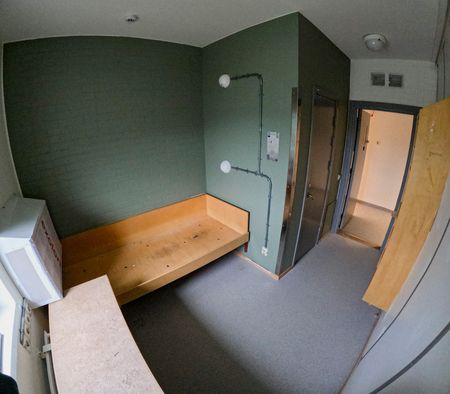
Rosersberg prison, located north of Stockholm, is among three facilities being modified to house the most violent teenage criminals. Daily life will emphasize education, with recreational time allocated for television, video games, and gymnasium activities. Cell doors will be secured at 8 p.m. nightly.
Prison Governor Gabriel Wessman anticipates receiving the first young inmates following the summer months. The primary challenge compared to adult inmates will involve providing comfort and support to teenagers, some experiencing their first separation from parents.
“They will grow up in here,” he explained, noting the facility must guide them through adolescence. While phones are prohibited, chess instruction will help develop focus. However, emotional support remains essential.
“It’s not that uncommon in the outside world that boys at this age have soft toys,” Wessman observed. “Maybe we should see that we have one in every cell.”
Sweden’s current approach places its most serious juvenile offenders under social services supervision, but this system faces widespread criticism. According to a Swedish National Audit Office report, nine out of ten young gang members in youth facilities reoffend, with eight out of ten eventually serving adult prison sentences.
The majority government argues that imprisonment will safeguard the public, deliver justice for victims, and sever gang connections. Parliamentary voting on the legislation is scheduled for June 15.
Opposition voices express concern about the impact on these children.
“A 13-year-old is a child — one who is not even legally old enough to purchase energy drinks,” stated opposition Centre Party spokeswoman Wilma Roth. “Children under 15 who commit serious crimes should be taken into care and provided treatment, rather than being imprisoned.”
Sweden’s law enforcement and correctional officials have also expressed reservations about the proposal.
Britain and Northern Ireland, where criminal responsibility begins at age 10, are currently considering raising their threshold.
Denmark previously lowered its criminal responsibility age to 14 in 2010, but researchers determined this change had no impact on crime rates.
Stockholm University Criminology Professor Felipe Estrada Dorner acknowledged that incarcerating already disadvantaged youth could damage their future prospects, while recognizing society’s need for protection.
“We cannot have murderers walking our streets,” he stated.