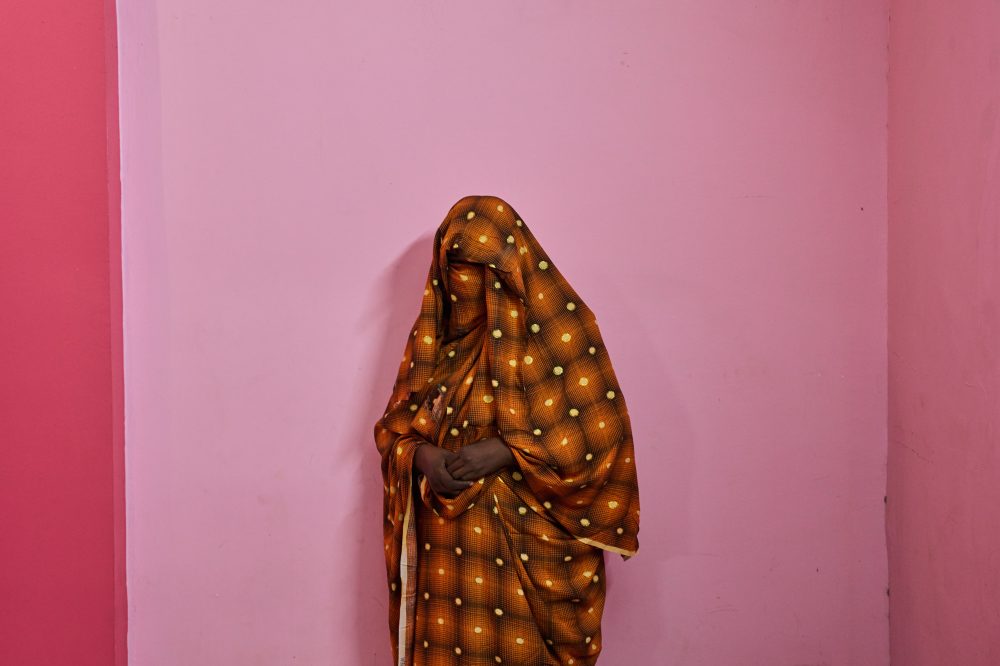

KHARTOUM, Sudan — Three survivors of Sudan’s brutal civil war have shared their harrowing experiences of captivity, sexual assault, and extortion at the hands of armed fighters who demanded thousands of dollars for their release.
A 38-year-old survivor, now living safely in the capital city, described two days of torture before her captors forced her to contact family members by phone. “I thought about seeking justice one day,” she told reporters, showing photographs of her injuries sustained during her September ordeal. The Associated Press does not identify individuals who report sexual assault.
According to the United Nations, sexual violence represents one of the “most defining features” of Sudan’s conflict, which has entered its fourth year. International officials report that sexual assaults have dramatically increased since fighting began, with many victims subjected to sexual slavery and ransom demands reaching $10,000.
Three survivors spoke with reporters after being connected through aid workers familiar with their situations. All three identified members of the paramilitary Rapid Support Forces as their attackers, though verification of their accounts proves difficult in a nation where discussing sexual assault remains heavily stigmatized.
While the U.N. and human rights organizations have documented sexual assault by all warring factions and their allied groups, they report that the RSF has committed the majority of such crimes, particularly around Khartoum, in Darfur, and throughout Gezira state. South Kordofan has emerged as another area of concern as fighting spreads. The RSF has not responded to inquiries about abductions or assaults.
The 38-year-old woman recounted fleeing her home in el-Fasher in September, just weeks before RSF forces captured the besieged Darfur city in what the UN characterized as bearing “hallmarks of genocide.” After losing her soldier husband and caring for her wounded brother, RSF fighters ambushed their group during evacuation.
She described how fighters separated women and children from men, searching males for shoulder marks indicating military service before forcing everyone to undress. When RSF members attempted to execute her brother, she offered herself as a substitute.
Bound and beaten, she was transported with four other women and teenage girls to a deserted village. For two days, she said multiple men repeatedly assaulted her and the other captives, who remained tied up, naked, and without food or sanitation.
“I was thinking about ending my life,” the woman said through tears.
On the second day, her captors demanded approximately $1,500 for her release. After she transferred her entire bank balance of about $200, they forced her to contact relatives through Facebook. When her cousin sent money, the fighters tortured her during phone calls to extort additional payments, pressing metal objects against her fingernails while she screamed.
The torture and sexual assault continued for hours during these calls until her captors finally accepted roughly $700 for her freedom. She continues to worry about other women unable to pay ransoms.
According to Hala Alkarib, regional director of the Strategic Initiative for Women in the Horn of Africa, women who cannot secure ransom payments remain in captivity and eventually vanish.
Sudan experts note that while the RSF has historically used kidnapping for ransom, the practice has expanded significantly during the current war. The Armed Conflict Location and Event Data Project, a U.S.-based research organization, reports that ransom incidents, including those involving sexual assault, have surged nearly 195% from the war’s beginning through May, with RSF fighters responsible for most cases.
Mohamed Younis, a conflict analyst specializing in Sudan, predicts ransom demands will increase as the paramilitary organization splinters following high-level defections.
A second survivor, age 30, described continued captivity even after ransom payment. Despite a relative in the United States transferring about $1,250, her captors refused her release until one fighter secretly helped her escape at night.
Abducted from a Khartoum market in 2024 during RSF control of the city, she spent two weeks confined with other women, forced to perform domestic labor, tend livestock, and sometimes bathe the fighters. “They never missed a day… I have nightmares,” she said of nightly sexual assaults.
The third woman reported being taken near Dilling in South Kordofan, held for nine days, sexually assaulted once, and beaten before her family secured her September release through payment.
Mental health professionals note that ransom demands create both financial and psychological trauma for families, forcing them into debt as they sell jewelry, vehicles, and homes to raise funds.
“The situation of these families is fragile,” explained Thuria Komi, director of Bait Al Mohaba, a local organization supporting women including sexual assault survivors. Her group lacks sufficient funding to provide necessary services, including medical treatment assistance.
Recent policy changes have affected international support. The current U.S. administration halted funding for the United Nations Population Fund, which provides support for sexual and gender-based violence victims, eliminating over $370 million in grants across more than 25 countries including Sudan. Officials cited allegations about past coercive abortions in China that UNFPA has called baseless.
Sudan continues receiving more than $220 million this year from the U.S. for other humanitarian assistance, according to U.N. data.
Now reunited with her brother in a displaced persons camp, the 38-year-old survivor struggles with ongoing health issues. Medical professionals diagnosed internal bleeding and fluid accumulation from her trauma, but she cannot afford necessary surgery.
While she finds purpose mentoring other women and girls in the camp, the debts owed to those who helped secure her freedom weigh heavily on her mind. Some of her rescuers have since died in the continuing conflict.
“Even those who died, I want to return it to their children or give it as charity on their behalf,” she said. “So I can feel at peace.”