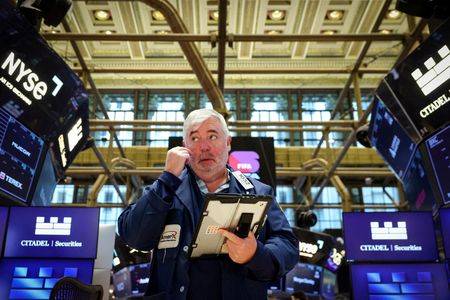

Stock market futures dropped Tuesday morning as investors grappled with the economic impact of escalating tensions in the Middle East and concerns that rising energy costs could fuel inflation.
The ongoing conflict has shown no signs of de-escalation, pushing oil prices up 2.2% while gold continued its winning streak for the fifth consecutive trading session. The dollar gained strength and the 10-year Treasury yield reached its highest point in over a week.
Military action between the U.S., Israel and Iran began Saturday when American and Israeli forces conducted airstrikes on Tehran, resulting in the death of Iranian Supreme Leader Ali Khamenei. Iran and its ally Hezbollah responded with retaliatory attacks, pulling the broader Gulf region into the expanding conflict.
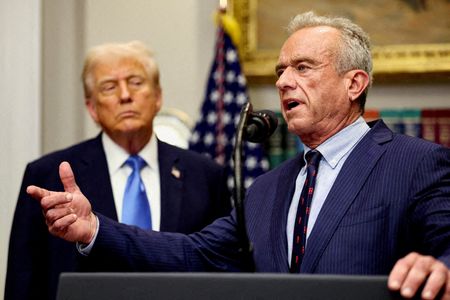
President Donald Trump defended the military campaign on Monday, stating the operation was progressing better than anticipated and justifying what he described as an extensive, ongoing war effort.
Financial markets are expressing concern about potential inflation spikes that could result from energy supply disruptions.
The closure of the Strait of Hormuz to shipping traffic has raised fears that oil price increases could ripple through the entire economy, creating additional challenges for Federal Reserve officials who are already dealing with persistent inflation data and internal disagreements about policy direction.
These circumstances have strengthened market expectations that the Federal Reserve will maintain current interest rates rather than implementing cuts in the near future.
Market participants are now focusing on upcoming economic data releases this week, including retail sales figures for January, ADP employment numbers, and the highly anticipated non-farm payrolls report.
As of 2:41 a.m. Eastern Time, Dow futures had declined 494 points or 1.01%, S&P 500 futures dropped 72.5 points or 1.05%, and Nasdaq 100 futures fell 332.75 points or 1.33%.
Monday’s trading session saw Wall Street open lower before recovering as value-seeking investors entered the market, with artificial intelligence leaders like Nvidia and Microsoft attracting renewed buying interest.
Airlines and travel-related companies suffered significant losses due to flight cancellations, increased jet fuel expenses, and widespread airspace restrictions across the Middle East. The S&P 500 finished unchanged, the Nasdaq gained 0.4%, while the Dow lost 0.1%.
Investors will be monitoring upcoming comments from Federal Reserve officials, particularly given recent disagreements about interest rate policy. Fed speakers John Williams, Jeffrey Schmid, and Neel Kashkari are expected to address markets later today.