
International discussions about controlling deadly AI-powered weapons have reached a critical juncture, with the leader of Geneva-based negotiations warning that time is running short to establish meaningful regulations.
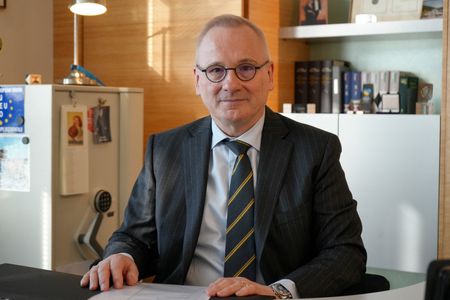
Robert in den Bosch, who serves as the Dutch Disarmament Ambassador in Geneva and leads the Convention on Certain Conventional Weapons expert group, emphasized the urgent timeline facing negotiators from 128 countries.
“If we wait then it almost gets to a stage where you’re too late… We will be overtaken by technological developments,” in den Bosch told Reuters.
The ongoing discussions, which continue through September, focus on creating a non-binding agreement that could serve as groundwork for future binding regulations on Lethal Autonomous Weapons Systems, commonly known as LAWS.
These high-stakes conversations have been taking place in the Swiss city since 2014, with participating nations working to ban autonomous weapons that violate current international law while establishing controls for others.
The urgency has intensified due to increasing use of AI-assisted semi-autonomous weapons in current conflicts across Ukraine, Sudan, Gaza, and other regions.
Although participating countries acknowledge that international humanitarian law applies to these weapons systems, there are virtually no specific binding international standards governing their use.
Major powers including Russia and the United States have resisted new legally binding agreements, contending that current laws provide adequate oversight.
According to in den Bosch, other nations argue that new regulations are essential to address accountability gaps in international humanitarian law, which places responsibilities on countries and individuals rather than machines.
The draft agreement being debated in Geneva calls for “context appropriate human judgment and control” to ensure weapons systems that “identify, select and engage” targets without human oversight comply with international humanitarian law.
Despite increasing pressure for immediate action, in den Bosch acknowledged that UN Secretary-General Antonio Guterres’ goal of reaching a legally binding agreement this year will likely not be met.
He noted that while this deadline falls outside the scope of the Geneva negotiations, the difficulty in achieving consensus even on non-binding measures highlights the challenges in making meaningful progress.
The discussions are occurring amid heightened geopolitical tensions and recent European withdrawals from landmine ban agreements due to Russian threats.
A November Review Conference of the Convention on Certain Conventional Weapons could authorize negotiations for a binding protocol after the Geneva talks conclude. However, in den Bosch warned that without agreement, some nations might pursue separate treaty negotiations elsewhere.