
Stock markets across Asia tumbled Thursday while crude oil prices soared following fresh reports of Iranian attacks on vessels in critical Gulf shipping lanes, raising concerns about inflation and higher interest rates globally.
Oil futures climbed dramatically, with U.S. crude jumping 7.5% to reach $93.80 per barrel and Brent crude surging 7.7% to $99.03 per barrel, building on overnight gains of more than 4%.
The price spike occurred even as the International Energy Agency announced plans to release 400 million barrels from strategic reserves – the organization’s largest such action ever. The United States committed to releasing 172 million barrels starting next week as part of this coordinated effort.
Iraqi security sources reported early Thursday that Iranian boats carrying explosives had targeted two fuel tankers in Iraqi territorial waters. An Iraqi government official told state media that oil ports “have completely stopped operations.”
IG analyst Tony Sycamore described the escalating situation: “Multiple tankers loaded with Iraqi crude are now reported burning in the Persian Gulf off the coast of Basra, engulfed in flames and leaking burning oil into the water.”
Sycamore added: “This appears to mark a direct and forceful Iranian response to the IEA’s overnight announcement of a massive strategic reserve release aimed at cooling runaway prices.”
Iran had previously intensified its assault on commercial vessels passing through the Strait of Hormuz, warning the international community to prepare for oil prices reaching $200 per barrel. Wednesday saw three ships reportedly damaged in Gulf waters after Iran’s Revolutionary Guards stated their forces had opened fire on vessels that ignored their commands.
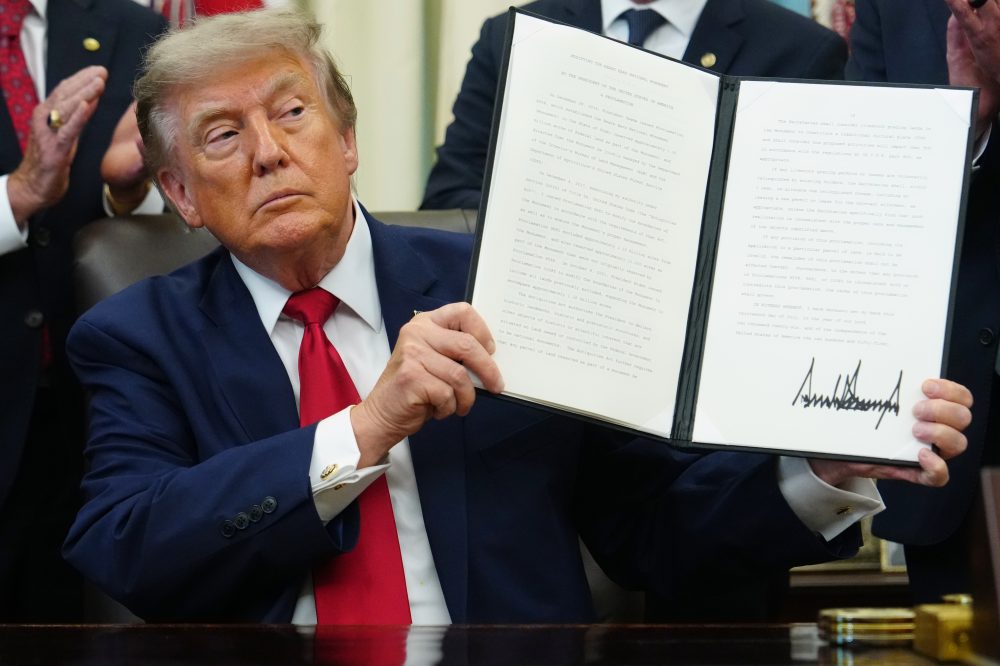
Adding to market uncertainty, President Donald Trump declared Wednesday that the conflict with Iran had been won but indicated he would continue military operations to complete the mission.
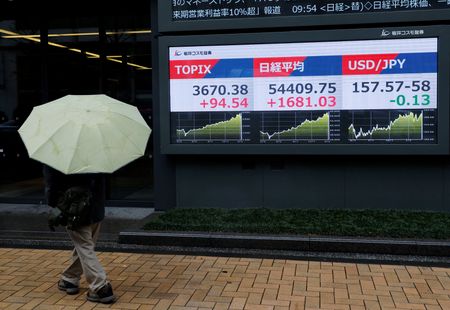
These developments hammered equity markets across the region. MSCI’s broad Asia-Pacific index excluding Japan declined 0.8%, while Japan’s Nikkei index fell 1.6% as the country relies heavily on energy imports.
U.S. market futures also pointed lower, with both S&P 500 and Nasdaq futures dropping 0.8%. European markets showed similar weakness, with EUROSTOXX 50 futures down 0.6% and DAX futures falling 0.8%.
The crisis has heightened inflation concerns, overshadowing recent U.S. economic data showing consumer prices rose 0.3% in February, matching expectations and exceeding January’s 0.2% increase.
Bond markets reflected growing inflation worries as yields climbed worldwide. Ten-year Treasury yields increased 4 basis points to 4.2472% Thursday, following a 6 basis point jump overnight.
Federal Reserve rate cut expectations continued to diminish as investors worry that rising inflation will limit the central bank’s ability to lower interest rates. Markets now anticipate just one additional rate reduction this year.
The threat of energy-driven price increases has led traders to speculate that the European Central Bank might actually raise rates, potentially as soon as June.
Currency markets saw investors flock to the dollar while avoiding currencies from energy-importing nations like Japan and much of Europe. The euro dropped 0.3% to $1.1536, reaching its weakest level since November. The dollar gained 0.1% against the yen to 159.12, its strongest position since January.
The Australian dollar, sensitive to risk sentiment, fell 0.4% to $0.7127 after hitting a three-year high of $0.7188 Wednesday amid expectations for potential rate increases from Australia’s central bank.