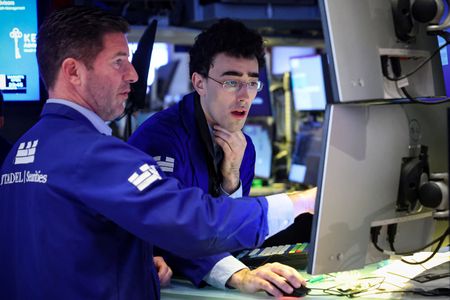

NEW YORK, April 14 – Major stock indices surged Tuesday as renewed diplomatic efforts between Washington and Tehran raised hopes for reduced tensions in the Middle East, while investors closely watched quarterly earnings reports from major corporations.
The positive momentum in equity markets coincided with a decline in oil prices as supply concerns eased amid prospects for diplomatic progress.
Market Performance Highlights
Equity markets showed broad strength, with European indices reaching their highest levels in a month on expectations of Middle East stabilization. Eight of the eleven major S&P 500 sectors finished in positive territory, with communication services leading the advance.
Banking stocks delivered mixed results following quarterly earnings releases. JPMorgan Chase shares fell 0.8% while Wells Fargo dropped 5.7%, but Citigroup bucked the trend with a 2.6% gain.
Currency and commodity markets reflected the shifting geopolitical landscape. The dollar extended its losing streak to seven consecutive sessions as peace negotiations gained traction. U.S. Treasury yields declined on signs of diplomatic progress, while gold prices jumped as the greenback weakened.
Federal Reserve Officials Weigh In on Interest Rates
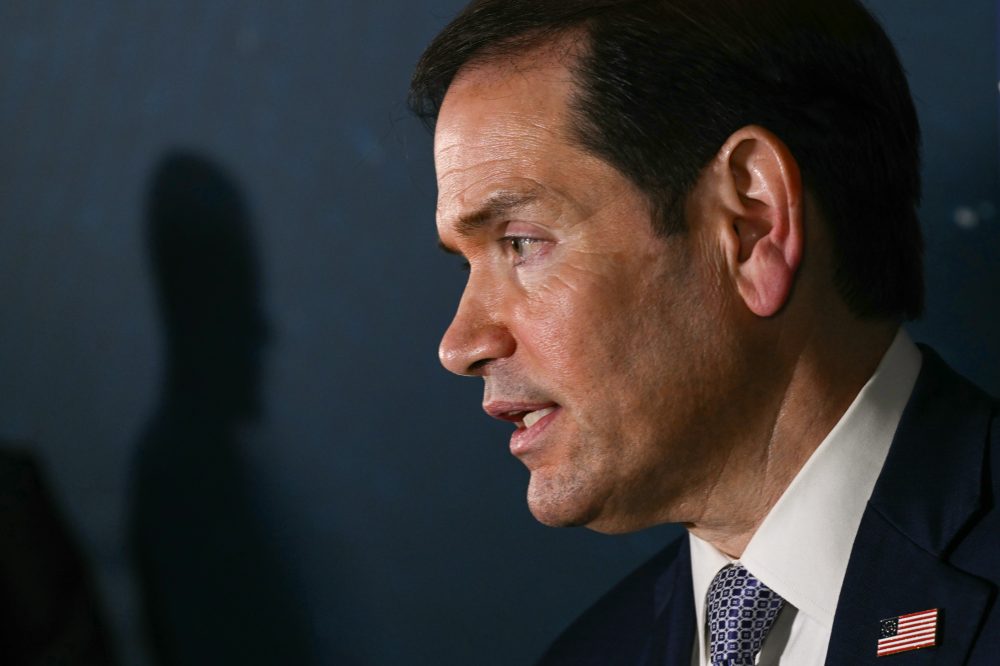
Treasury Secretary Scott Bessent voiced optimism that core inflation would continue declining despite ongoing Middle East conflicts, while maintaining his position that the Federal Reserve should reduce its benchmark interest rate.
However, recent economic data presents a mixed picture. Two of three key inflation measures for March showed core inflation, which strips out volatile food and energy costs, moving higher. Only average hourly wage growth showed a more moderate reading compared to the previous month.
Chicago Federal Reserve President Austan Goolsbee offered a more cautious perspective, suggesting the central bank may need to delay rate reductions until 2027 if war-related disruptions slow inflation’s gradual decline toward the Fed’s 2% annual target.
During their most recent policy meeting, Fed officials maintained the federal funds rate between 3.50% and 3.75%, though most policymakers indicated at least one rate cut could be warranted this year.
Small Business Confidence Weakens
American small business optimism dropped to an 11-month low in March as rising energy costs offset benefits from reduced tax burdens, according to the National Federation of Independent Business.
The sentiment index fell below the organization’s 52-year historical average, while uncertainty levels spiked four points to 92, significantly above the long-term average of 68. Survey respondents expecting better business conditions reached their most pessimistic outlook since October 2024.
Looking Ahead
Wednesday’s market drivers may include Middle East developments, energy sector movements, and earnings reports from Bank of America, Morgan Stanley, and transportation company J.B. Hunt.
International economic data releases include Chinese industrial output and retail sales figures for March, along with first-quarter GDP data from China. European indicators feature French inflation numbers and eurozone industrial production statistics.
Federal Reserve officials scheduled to speak include Board Governor Michael Barr and Vice Chair Michelle Bowman, whose comments could provide additional insight into monetary policy direction.