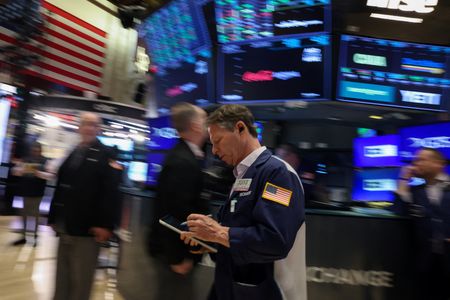

Wall Street celebrated a milestone Wednesday as the S&P 500 index achieved a new intraday peak, marking its first record since the outbreak of the U.S.-Iran war, fueled by optimism about potential diplomatic breakthroughs and strong corporate profit projections.
The achievement of a new market high during ongoing international tensions represents a notable change in investor sentiment, with traders showing increased confidence that the conflict may not escalate further in the immediate future.
President Donald Trump indicated that diplomatic discussions with Iran aimed at ending the hostilities might restart and potentially yield an agreement, following the breakdown of negotiations in Islamabad over the weekend.
Stock markets experienced significant declines last month when the conflict erupted on February 28, creating massive disruption in oil markets and raising fresh worries about rising prices and Federal Reserve interest rate policies.
The benchmark S&P 500 dropped as much as 9% following the start of hostilities, though it avoided entering correction territory. Both the Nasdaq and Dow Jones Industrial Average did enter corrections, typically defined as a decline of at least 10% from recent peaks.
Investor confidence has also been bolstered by anticipations of a solid corporate earnings period. Banking industry leaders reported that American consumers have maintained their spending power despite oil price volatility, while the outlook for mergers and public offerings remains strong.
Market researchers project that S&P 500 member companies will generate collective profits of $605.1 billion during the first quarter, an increase from the $598.7 billion predicted when the quarter began, based on LSEG data compilation.
Multiple investment firms have treated the recent market decline as a chance to purchase stocks at reduced prices, as the international crisis brought company valuations to more attractive levels.
However, the possibility of renewed conflict escalation remains a concern, with any new developments potentially challenging the market’s recently restored optimism.
Additionally, if geopolitical risks diminish, other worries that influenced markets before the war may resurface, especially anxieties about disruptions related to artificial intelligence technology.
Investment firms specializing in private credit have also been dealing with withdrawal pressures as anxious investors seek to exit their positions.