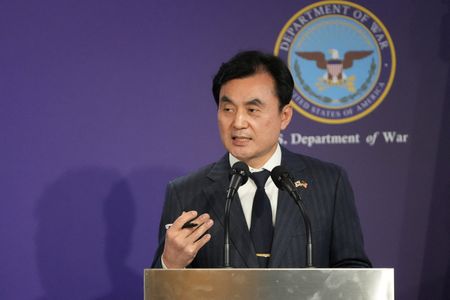

South Korea’s Defense Minister Ahn Gyu-back announced Wednesday that his country is exploring gradual ways to support international maritime security efforts in the Strait of Hormuz, following high-level discussions with American defense officials.
Speaking to South Korean reporters during a Washington press conference, Ahn indicated Seoul would consider non-military forms of assistance rather than direct military engagement in the strategic waterway.
“We said at about this level that, fundamentally, we will participate as a responsible member of the international community and that we will review ways to contribute in a phased manner,” Ahn stated, according to Yonhap News Agency.
The defense minister outlined several potential support options Seoul might consider, including diplomatic backing, personnel assignments, intelligence sharing, and providing military equipment. However, he emphasized that detailed conversations about expanding South Korean military involvement had not occurred.
“There was no deep discussion on something like specifically expanding our military’s participation,” Ahn explained, noting that any final decisions would require following South Korea’s domestic legal processes.
These discussions between American and South Korean defense leaders occurred just one day after Seoul condemned an assault on a South Korean-flagged ship near the Strait of Hormuz the previous week.
South Korea’s presidential administration issued strong criticism of the incident while stating that investigations into who was responsible for the attack were ongoing.
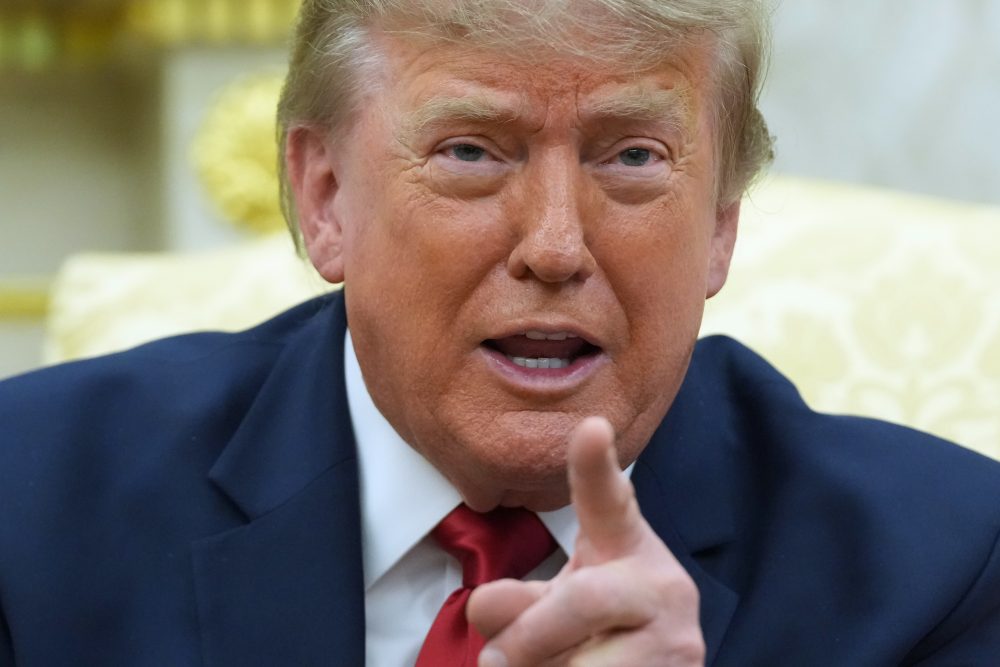
During their meeting, U.S. Defense Secretary Pete Hegseth told his South Korean counterpart that Washington anticipates allies will “stand shoulder-to-shoulder” as global security challenges increase. Hegseth referenced President Donald Trump’s authorization of what he termed Operation Epic Fury as demonstration of the current administration’s commitment.
The American defense chief commended Seoul’s plans to boost military spending and take on greater security responsibilities for the Korean Peninsula, describing these efforts as exemplifying how alliance partners should share defense burdens.
In separate discussions, Ahn reported that Hegseth showed understanding regarding South Korea’s stance on transferring wartime operational control from American to South Korean forces based on meeting specific conditions, with both nations aiming to complete this transition quickly.
The defense ministers also discussed other partnership matters, including South Korea’s plans for developing nuclear-powered submarines, according to Yonhap’s reporting.
Ahn noted that their conversations did not address potential reductions in American military personnel stationed in South Korea or changes to the strategic flexibility of those forces.