
Content creator Sam Mintesnot had prepared extensively for the Coachella music festival, organizing perfect outfits, scheduling beauty appointments, purchasing a one-way flight to Los Angeles, and developing a detailed spreadsheet of video concepts. However, just days before the festival’s Friday opening, she still lacked one crucial element: an actual ticket.
As a social media influencer, Mintesnot was pursuing brand sponsorship opportunities to gain access to the annual Indio, California event, often dubbed the “influencer Olympics.” She documented her ticketless situation across social platforms, hoping to secure entry by promising promotional content for interested companies.
“You never know what’s going to happen,” she explained. “There’s so many opportunities out there.”
The festival, filled with picture-perfect moments, creates mutually beneficial relationships between content creators and businesses. While social media posts from the expansive music event appear spontaneous, extensive preparation typically occurs weeks or months beforehand. Securing sponsorship deals, arranging promotional content agreements, and developing posting schedules demand patience, strategic planning, and business expertise.
Content creators frequently face online criticism for boldly requesting event access or complimentary products. However, these tactics prove successful for some creators like Mintesnot, who received a YouTube invitation on Wednesday, just two days before the two-weekend festival commenced.
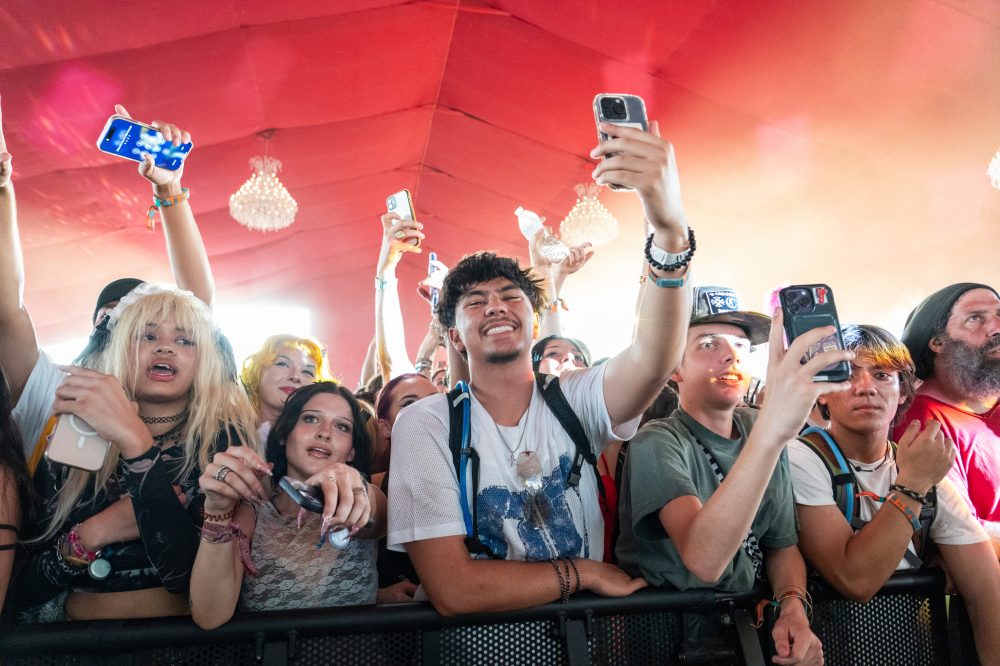
Now in its 25th year, Coachella has become a cornerstone of digital culture. Both festival weekends are completely sold out, but global viewers can watch YouTube livestreams featuring headliners Sabrina Carpenter, Justin Bieber, and Karol G, alongside numerous other performers. The platform simultaneously broadcasts seven stages while offering creator videos and additional festival content.
Influencers document not only musical performances but every aspect of their festival experience, including exclusive brand events, complimentary items, and mundane details like restroom queues and dining choices.
According to Matt McLernon, YouTube’s head of artist partnerships who oversees the Coachella relationship, the festival represents the platform’s largest marquee livestream music event.
“Seeing how much the creator side has breathed this whole additional life into it — what’s on the stage, the creators, the fans, the kind of intersection of all of them, of what happens from there — it’s really truly magical,” he stated. “There’s as many cameras pointed at the actual artists on stage as there are amongst the crowd.”
Revenue opportunities for creators differ significantly. Fashion and beauty influencers utilize shopping features integrated into TikTok and YouTube to earn commission payments. This approach proves particularly profitable during Coachella, when audiences seek style and makeup inspiration or explore current trends.
Beauty YouTuber Magdaline Janet credits YouTube Shopping with enabling her full-time creator career.
“It’s huge because Coachella essentially is a beauty and fashion show along with music,” she noted.
Some creators find value in purchasing independent tickets and traveling without brand sponsorship. The audience engagement generated by Coachella content — before, during, and after the event — frequently results in overall profits.
Sydney Morgan, a content creator specializing in special effects makeup, bought her own admission. She’s sharing a rental house with fellow creator friends, selecting the Airbnb specifically for video aesthetics and organizing schedules around everyone’s filming requirements.
“Me and my friends like to joke that Coachella’s our favorite holiday,” Morgan shared. The group traveled to Indio on Wednesday for a complete day of content creation before musical performances began. “We talk about it all year and we romanticize the crap out of it, and I know that our audience does the same thing, especially those that can’t be there in person.”
Morgan developed comprehensive plans for an extended video highlighting her festival fashion plus several shorter clips.
Similar to Morgan, many creators arrive with predetermined content filming goals, but entertainment news host and content creator Louis Levanti emphasized that mastering the festival requires “willingness to adapt.” Levanti works as a full-time creator but previously handled digital video production and media, bringing those abilities to his current content strategy.
“It’s important to tell the story from your lens as quickly but as accurately and efficiently as possible,” he explained. “I do really think of it as a newsroom. I do look at every story as like, ‘How do I build this into more than just a headline?’”
Levanti is also attending this year’s festival with YouTube, but he sees value in using the event to establish relationships with other brands for future festivals and opportunities. Some sponsorship agreements, like Levanti’s previous Coachella partnerships with Coca-Cola and Absolut Vodka, include limitations on creator posts and restrict collaboration with competing brands.
“It’s a great opportunity where there’s no constraints or stress on me to make content, which makes it easier for me to do that while also appealing to more brands,” he said.
While festival brands, fashion trends, and artist lineups evolve annually, Coachella consistently generates enormous online demand for festival-related content. These creators eagerly anticipate their preparation paying off to satisfy that appetite.
“We want to feed the audience, keep ’em fed, give them good content and have fun while doing it,” Morgan concluded.