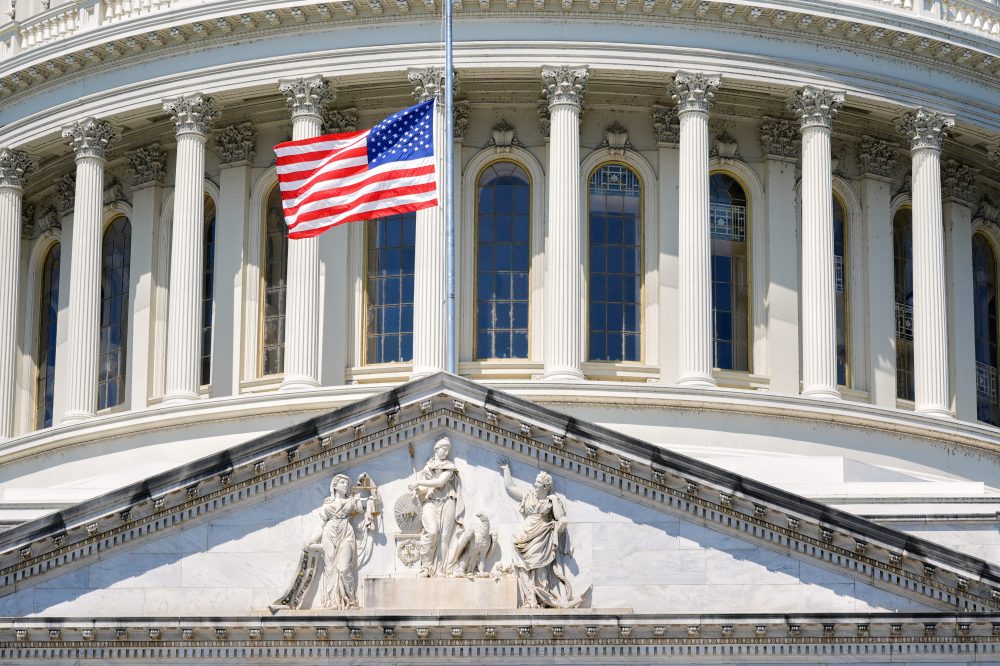

Leaders of major social media companies are facing another round of congressional testimony as lawmakers intensify pressure on platforms to safeguard young users.
Executives from Meta, Alphabet, TikTok and Snap have received invitations to appear before the Senate Judiciary Committee next month, according to a committee spokesperson who confirmed the news Friday.
This upcoming testimony arrives during a pivotal moment for social media platforms, as legal battles, proposed laws and growing advocacy efforts are forcing tech companies to face increased scrutiny over protecting children and teenagers who use their services.
“Americans are realizing more and more every day that they cannot trust the CEOs at the helms of these companies because they do not put our safety first,” said Sacha Haworth, executive director of watchdog group The Tech Oversight Project. “If it feels like the pace is accelerating, it’s because it is.”
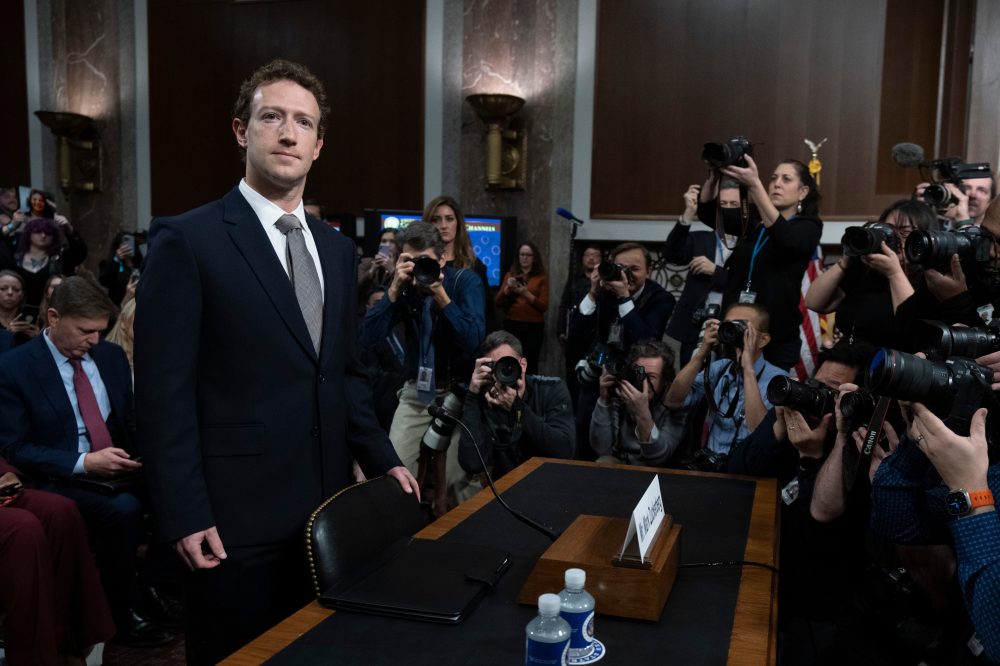
These same committee members previously questioned executives from Meta, TikTok, X and other platforms in January 2024, pressing them about child exploitation issues and how social media impacts young people’s wellbeing.
Scheduled for June 23, the hearing bears the title “Examining Tech Industry Practices and the Implications for Users and Families: Is This Social Media’s Big Tobacco Moment?” Iowa Sen. Chuck Grassley, a Republican and the chairman of the Senate Judiciary Committee, extended the invitations.
Mark Zuckerberg of Meta, Sundar Pichai of Alphabet and Google, which owns YouTube, Shou Zi Chew of TikTok and Evan Spiegel of Snap received the invitations for the upcoming hearing. Meta declined to comment. Representatives from the other companies did not immediately respond to requests for comment.
During a Wednesday session held by the Subcommittee on Privacy, Technology, and the Law, senators listened to testimony from child advocacy groups and experts, including parents whose children died from social media-related incidents.
Sen. Dick Durbin, D-Ill. said at the hearing, “I think it’s time for us, on a bipartisan basis, to call these CEOs back and to ask them what’s happened in two years, to talk to them about the losses that have occurred and ask them what they’re doing.”
The platforms have challenged claims that they deliberately harm children’s mental health by creating addictive features and failing to shield them from predators and harmful material. Multiple state and federal lawsuits are moving toward trial this year, with varying specifics but similar goals of holding companies liable for platform activities.
Two significant court decisions in March found social media companies, particularly Meta, responsible for harming children using their services. A California jury concluded that both Meta and YouTube created platforms designed to engage young users without regard for their safety. TikTok and Snap were also named defendants in that case, but they settled before the trial began.
One day before the California ruling, a New Mexico jury found that Meta deliberately damaged children’s mental health while hiding its knowledge of child sexual exploitation occurring on its platforms.
The hearing date holds special meaning for advocacy groups. In 2024, Senators Amy Klobuchar, D-Minn., and Marsha Blackburn, R-Tenn., introduced a resolution to designate June 23 as Social Media Harms Victim Remembrance Day. The resolution encouraged the “government, industry and community stakeholders to take action to prevent social media-related harm.”
Families who attribute their children’s deaths to social media dangers proposed the remembrance day. The mothers of Carson Bride and Alexander Neville, who both died on June 23, lead the initiative. Carson died by suicide at age 16 after severe cyberbullying and Alex was 14 when a drug dealer connected with him on Snapchat and sold him the pill that killed him.