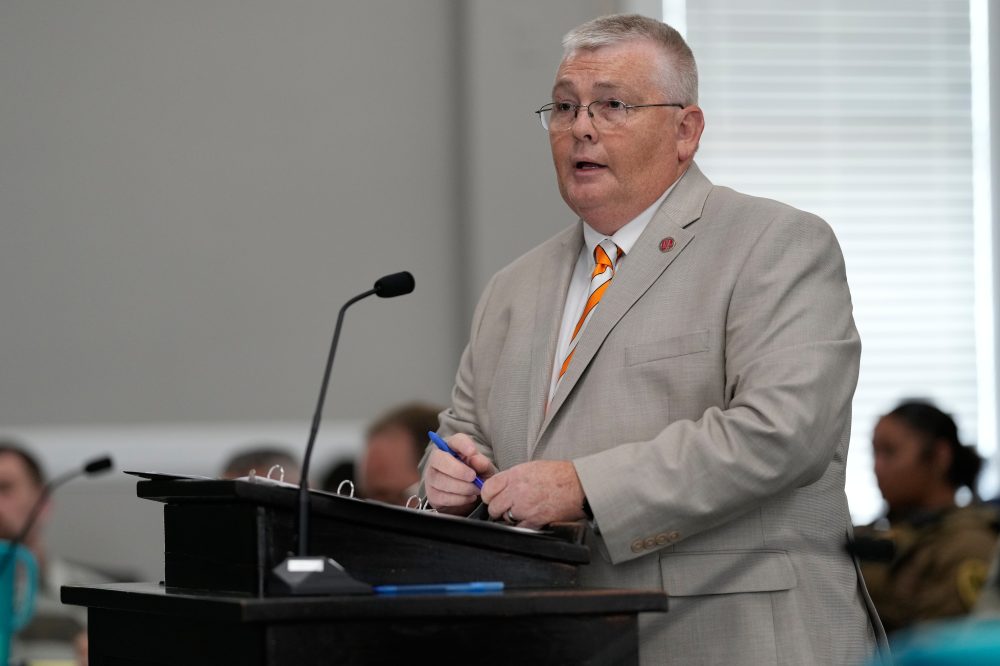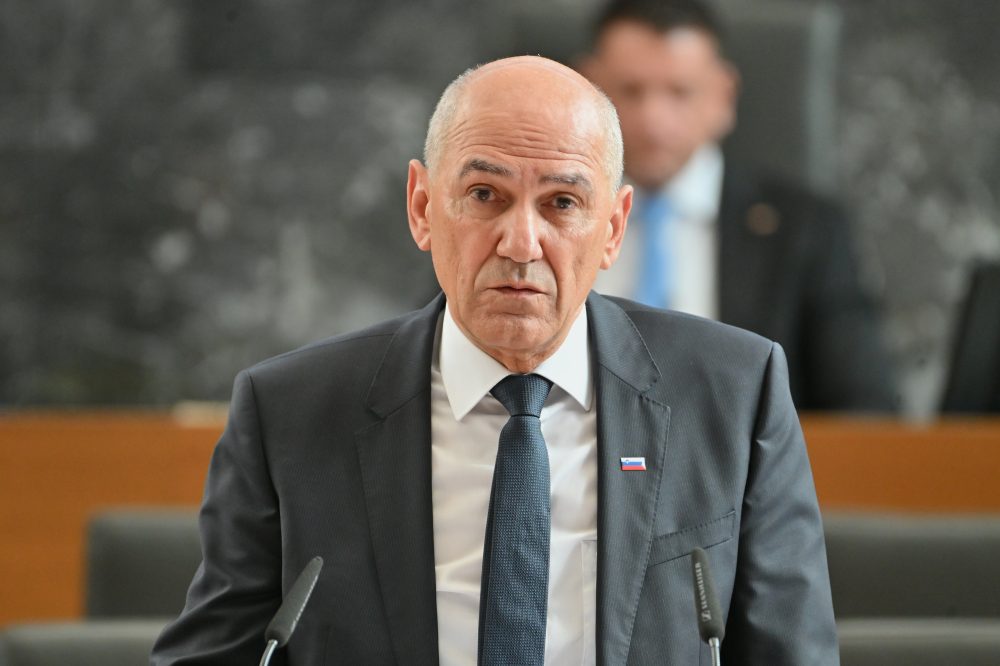

LJUBLJANA, Slovenia — Slovenia’s legislative body voted Friday to install right-wing populist politician Janez Jansa as the nation’s new prime minister, marking a political transition for the small European Union member previously led by a liberal administration.
Parliamentary members supported Jansa by a margin of 51-36 in the 90-seat legislature. The newly appointed prime minister must return to Parliament in the coming 15 days for an additional vote to approve his proposed Cabinet.
Jansa’s selection ends a political deadlock in Slovenia following parliamentary elections two months prior that resulted in virtually even results. Previous liberal Prime Minister Robert Golob’s Freedom Movement secured victory by a narrow margin, but he could not secure enough parliamentary support to govern.
Jansa and his populist Slovenian Democratic Party finalized a coalition deal this week with multiple right-wing organizations. The incoming administration also receives support from a nonestablishment Truth party that originated as an anti-vaccination movement during the COVID-19 pandemic.
This upcoming term marks the fourth time in office for the experienced Slovenian politician. Jansa, 67, is an admirer of U.S. President Donald Trump and maintained close ties with former populist Hungarian Prime Minister Viktor Orbán, who suffered a decisive electoral defeat last month.
During his address, Jansa outlined the economy, anti-corruption efforts, reducing bureaucracy, and decentralization as primary objectives for his upcoming administration. He has pledged to reduce tax burdens for wealthy citizens and boost private education and healthcare sectors.
Criticizing what he called the outgoing government’s “inefficiency,” Jansa stated his new administration would transform Slovenia into “a country of opportunity, prosperity and justice, where each responsible citizen will feel safe and accepted.”
Similar to Orban, Jansa maintained strong anti-immigration positions during Europe’s major migration crisis in 2015. Also resembling Orban, Jansa has encountered criticism for allegedly restricting democratic institutions and media freedoms during his previous 2020-2022 tenure. These actions sparked public demonstrations and drew European Union oversight.
In his remarks, Golob characterized Jansa as “the greatest threat to Slovenia’s sovereignty and democracy.”
Claiming that Jansa had made threats of arrest against him, Golob stated that Jansa’s “idea of democracy is that anyone who dares speak a word against you deserves only the worst.”
Jansa, who supports Israel, has also been a vocal opponent of the Golob government’s 2024 decision to recognize a Palestinian state.
The March 22 election faced claims of foreign interference and corruption. The approximately 2 million residents of the Alpine country remain sharply split between liberal and conservative viewpoints.