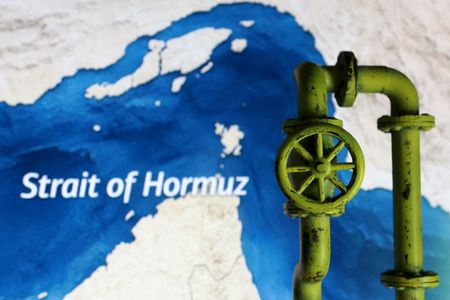

Multiple ships from Japan, France, and Oman have successfully navigated through the Strait of Hormuz since Thursday, according to shipping data, as Iran continues its policy of permitting vessels from nations it considers allies to pass through the critical waterway.
Iran had previously blocked the strait following U.S. and Israeli military strikes against Iran in late February that escalated regional tensions. The waterway serves as a passage for approximately 20 percent of the world’s oil and liquefied natural gas shipments. Tehran later announced it would allow ships without connections to the United States or Israel to continue their journeys.
Global oil and commodity markets are closely monitoring signs that shipping traffic is returning to normal levels. While some tankers and cargo vessels have managed to break through the blockade in recent weeks, such activity has typically been followed by periods of complete shutdown.
A cargo vessel belonging to French shipping company CMA CGM made the transit on Thursday, the same day French President Emmanuel Macron stated that diplomatic solutions, rather than military action, represented the only viable path to reopening the strait.
Before entering waters controlled by Iran, the French ship modified its Automatic Identification System to display “Owner France” as its destination, clearly indicating its nationality to Iranian officials.
The ships appeared to disable their AIS tracking systems while making the crossing, as their signals vanished from vessel monitoring systems.
Three ships operated by Oman Shipping Management – two large crude oil tankers and one LNG vessel – also departed the Gulf region on Thursday, based on data from MarineTraffic and LSEG.
Oman, which had facilitated discussions between Iran and the United States prior to the military strikes, has condemned the timing of the attacks while negotiations were still underway.
Japanese shipping company Mitsui O.S.K. Lines confirmed Friday that its partially-owned LNG tanker, Sohar LNG, had crossed the strait, marking the first Japanese-connected vessel and first LNG carrier to complete the journey since hostilities began.
A company representative refused to disclose to Reuters the exact timing of the passage or whether special negotiations were necessary.
As of early Friday, approximately 45 vessels owned or operated by Japanese companies remained stuck in the area, according to Japan’s transportation ministry.
Another Mitsui-owned LPG tanker, Green Sanvi, departed the Gulf through Iranian territorial waters earlier Friday, shipping records indicated.
The vessel, flying an Indian flag, displayed its destination as “India ship India crew.”
Additionally, the Panama-flagged Danisa, a large gas carrier, exited the Gulf using the same route while heading toward China, the data revealed.