
Escalating tensions between the United States, Israel, and Iran have led to a series of attacks on commercial vessels in the Persian Gulf, creating significant disruptions to international shipping routes that handle approximately 20% of global oil and liquefied natural gas traffic.
Since hostilities began on February 28, Iran’s Revolutionary Guards have issued threats targeting any vessel attempting passage through the strategically vital Strait of Hormuz.
The attacks began on March 1 when three separate incidents occurred. The Marshall Islands-flagged crude carrier MKD VYOM suffered a fatal casualty when a crew member was killed after the ship was struck by a projectile while traveling 50 nautical miles north of Muscat, Oman, according to vessel manager V.Ships.
That same day, the Gibraltar-flagged fuel supply vessel Hercules Star was hit by projectiles 17 nautical miles northwest of the UAE’s Mina Saqr port in Ras Al Khaimah, causing a fire that was later extinguished, the UK Maritime Trade Operations (UKMTO) reported. Additionally, the Palau-flagged tanker Skylight, which faces U.S. sanctions, was attacked near Oman’s Kumzar, forcing crew evacuation according to Oman’s maritime security center.
March 2 saw the U.S.-flagged products tanker Stena Imperative struck twice while in Bahrain’s port, resulting in fire and crew evacuation, UKMTO stated.
The following day brought damage to two more vessels near the UAE’s Fujairah port – the Marshall Islands crude carrier Libra Trader and Panama-flagged bulk vessel Gold Oak both sustained minor damage approximately 7-10 nautical miles offshore, UKMTO confirmed.
March 4 witnessed the Maltese-flagged container vessel Safeen Prestige suffering projectile damage while navigating toward the strait’s northern section, two nautical miles from Oman. The strike ignited an engine room fire, forcing the crew to abandon the vessel, shipping sources reported.
On March 5, the crude tanker Sonangol Namibe was damaged by an explosion while anchored near Iraq’s Khor al Zubair port, according to U.S. representative company Sonangol Marine Services. Iraqi port security officials indicated preliminary findings suggest an Iranian remote-controlled explosive boat was responsible for the attack on the Bahamas-flagged vessel.
March 6 brought another incident when a tugboat operating with the previously damaged Safeen Prestige was hit by projectiles six nautical miles north of Oman in the Strait of Hormuz, UKMTO reported.
The next day, UKMTO cited an unnamed third party reporting a suspected drone strike 10 nautical miles north of Saudi Arabia’s Jubail, which resulted in most crew members being evacuated.
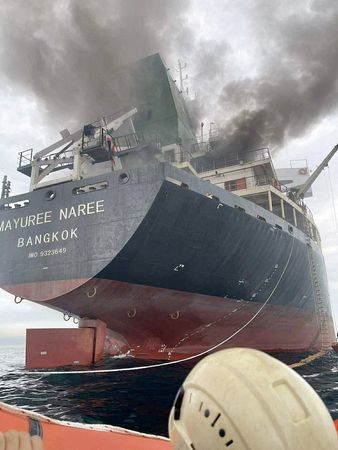
March 11 proved particularly devastating with multiple attacks. The Thailand-flagged bulk carrier Mayuree Naree was struck by a projectile 11 nautical miles north of Oman, causing a fire that forced crew evacuation, according to Bangkok-based owner Precious Shipping’s statement.
The Japan-flagged container ship One Majesty received minor damage from a projectile strike 25 nautical miles northwest of the UAE’s Ras Al Khaimah. Meanwhile, the Marshall Islands-flagged bulk carrier Star Gwyneth sustained hull damage from a projectile hit 50 nautical miles northwest of Dubai, though no environmental impact occurred and crew members remained safe, maritime risk management firm Vanguard and UKMTO reported.
The same day concluded with attacks on two fuel tankers near Iraq – the Marshall Islands-flagged Safesea Vishnu and Maltese-flagged Zefyros. These incidents prompted Iraqi authorities to halt all oil port operations completely, according to port officials and state media. One port security official confirmed recovering the body of a foreign crew member from the water.