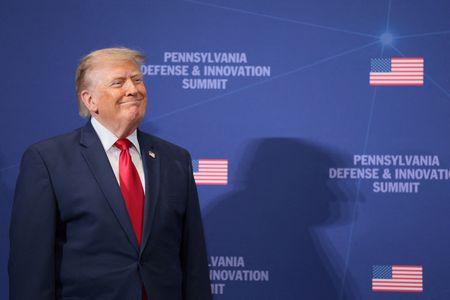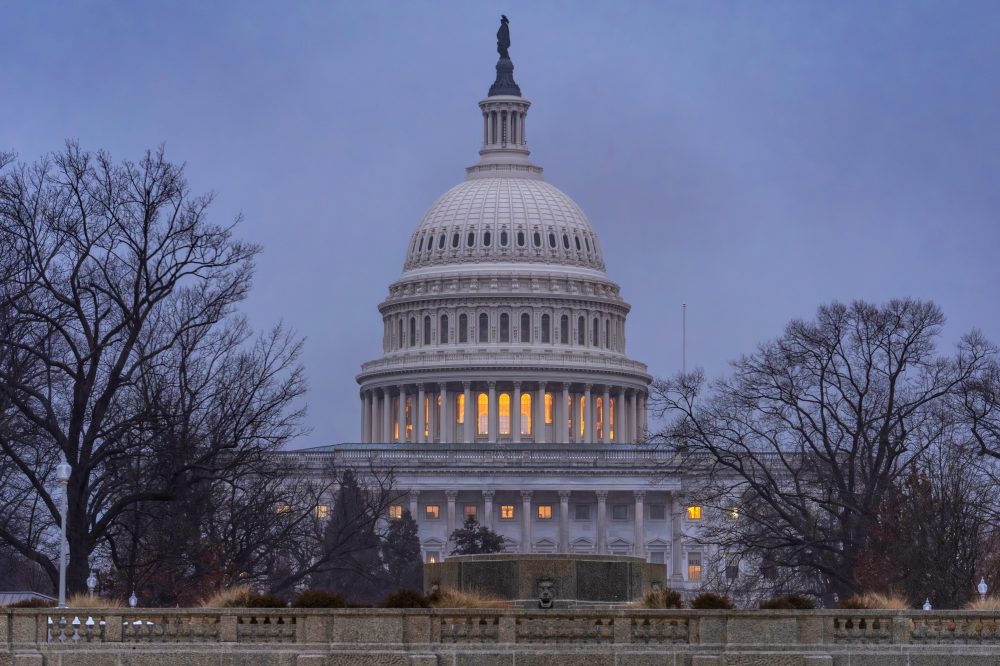

WASHINGTON — Three Democratic senators are introducing new legislation Monday demanding the federal government return approximately $175 billion in tariff money following a Supreme Court decision that declared President Donald Trump’s tariff orders unlawful.
The proposed bill from Senators Ron Wyden of Oregon, Ed Markey of Massachusetts, and Jeanne Shaheen of New Hampshire would mandate that U.S. Customs and Border Protection distribute refunds within 180 days while paying interest on returned amounts.
The legislation would give priority to small business refunds and urges importers, wholesalers, and larger corporations to share their refunds with consumers.
“Trump’s illegal tax scheme has already done lasting damage to American families, small businesses and manufacturers who have been hammered by wave after wave of new Trump tariffs,” Wyden stated, emphasizing that the “crucial first step” toward addressing the issue involves “putting money back in the pockets of small businesses and manufacturers as soon as possible.”
While the legislation faces slim chances of passage, it demonstrates how Democrats are beginning to pressure a Trump administration that has displayed minimal interest in returning tariff money after the Supreme Court’s 6-3 decision Friday.
The ruling has given Democrats ammunition heading into November’s congressional midterm elections, allowing them to argue that Trump unlawfully increased taxes and now refuses to reimburse American citizens.
According to Shaheen, addressing the damage from tariffs through higher consumer prices begins with “President Trump refunding the illegally collected tariff taxes that Americans were forced to pay.”
The Trump administration maintains its options are limited, arguing that refund decisions should come through additional court proceedings.
This stance could force Republicans into a defensive position as they attempt to justify why the government isn’t actively working to return the funds. GOP legislators had intended to campaign on Trump’s income tax reductions from last year, promoting this year’s tax refunds as beneficial for families.
Treasury Secretary Scott Bessent told CNN Sunday that discussing refunds represents “bad framing” since the Supreme Court decision didn’t specifically address refund issues. The administration’s stance maintains that lawsuits moving through the court system, not presidential action, will determine any refunds.
“It is not up to the administration — it is up to the lower court,” Bessent explained, stating he would “wait” for judicial guidance on refunds rather than provide administrative direction.
Trump has defended his application of the 1977 International Emergency Economic Powers Act for imposing widespread tariffs on nearly all U.S. trade partners, claiming his import tax authority helped resolve military disputes, generate federal income, and create negotiating leverage for trade agreements.
The University of Pennsylvania’s Penn Wharton Budget Model calculated refunds would reach $175 billion, equivalent to roughly $1,300 per American household. However, structuring reimbursements presents challenges since tariff costs affected the economy through direct customer payments and indirect costs passed along or absorbed by importers.
The president has previously argued that refunds would increase government debt and harm economic performance. During Friday’s press briefing, he indicated the refund process might extend beyond his presidency.
“I guess it has to get litigated for the next two years,” Trump told reporters, later extending his prediction: “We’ll end up being in court for the next five years.”