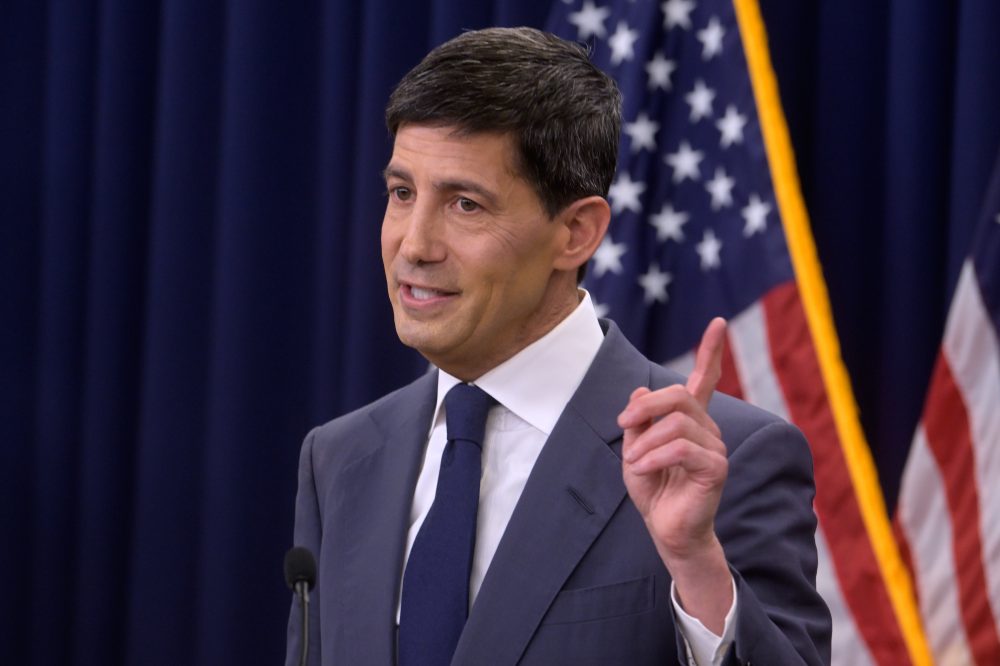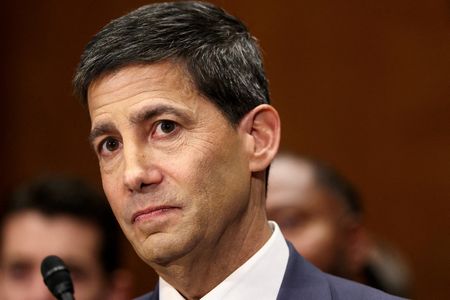

The United States Senate approved Kevin Warsh on Wednesday to serve as the next chairman of the Federal Reserve, clearing the path for the former central bank official to assume leadership of the nation’s monetary policy.
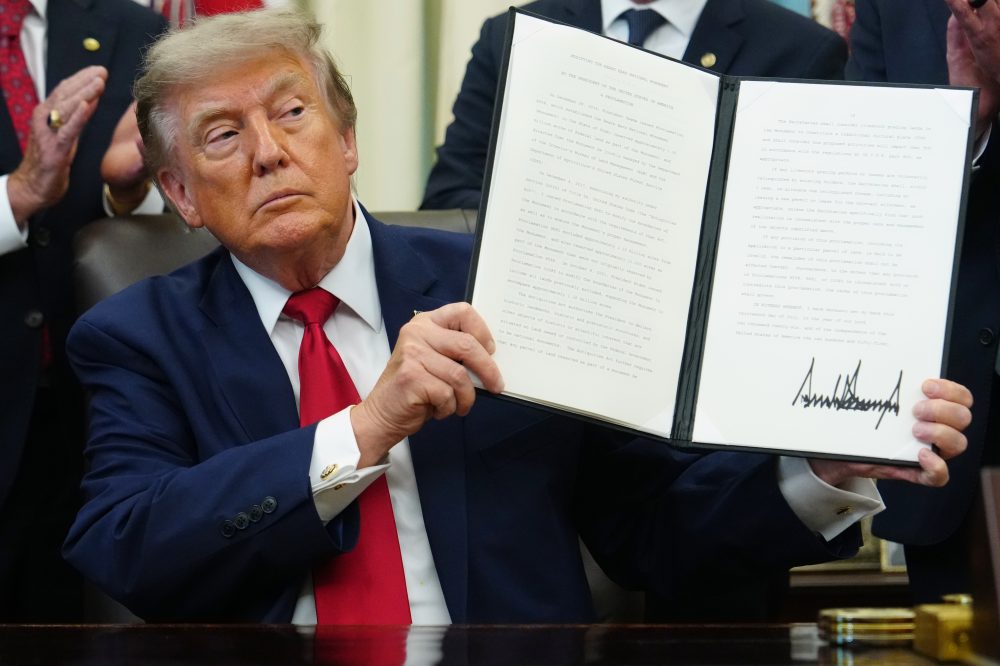
The 56-year-old lawyer and financier will inherit significant economic challenges, including rising inflation pressures and financial markets uncertain about future interest rate policy direction. President Donald Trump has publicly advocated for reduced interest rates, while oil price increases linked to the Iran conflict have shifted investor sentiment toward potential rate hikes before year’s end. The central bank currently maintains short-term borrowing rates between 3.50% and 3.75%.
Tuesday’s Senate action confirmed Warsh for a 14-year Federal Reserve governor position before Wednesday’s chair approval for a four-year leadership term. Final paperwork from the Senate awaits White House approval for his official swearing-in ceremony. Jerome Powell’s chairmanship concludes this Friday.
The incoming chairman has outlined plans for significant changes at the Federal Reserve, describing his approach as “regime change.” His strategy includes strengthening collaboration with the Treasury Department and Trump administration on non-monetary matters while pursuing a reduced balance sheet, which he believes would enable lower policy rates.
Market analysts offered varied perspectives on Warsh’s confirmation:
Ryan Swift, chief U.S. bond strategist at BCA Research in Montreal, expressed concern about inflation expectations. “There is a big risk right now in terms of inflation expectations. If you look at something like a 10-year TIPS breakeven inflation rate, it’s still reasonably well-anchored and consistent with inflation returning to target over time. But it has been rising recently, and it’s certainly near the top end of that range since 2023,” Swift said. He warned that dovish statements from Warsh about rate cuts could destabilize bond markets and inflation expectations.
“Now that he is confirmed he has the job. I’d be pretty surprised if he starts arguing in favor of rate cuts anytime soon. I’d be pretty shocked if he does that, because I would say that’s it’s really hard to build an economic case for that argument,” Swift added.
Phil Blancato, chief market strategist at Osaic in New York, suggested investors view the confirmation as indicating a more inflation-focused Federal Reserve. “Markets are likely viewing Kevin Warsh’s confirmation as signaling a more inflation-focused Fed, given his long-standing criticism that policymakers stayed too loose for too long after the pandemic,” Blancato noted.
He added that Warsh’s leadership might favor reduced market intervention and a smaller Fed balance sheet, while Powell’s continued board presence could moderate abrupt policy changes. “The bigger market question is whether he governs independently or aligns more closely with White House pressure for lower rates, especially as Trump has publicly pushed for cuts,” Blancato said.
Chris Beauchamp, chief market analyst at IG Group in London, anticipated potential challenges ahead. “It’s going to be entertaining to say the least If Warsh has to end up raising rates at some point this year,” Beauchamp observed, noting that inflation data is putting officials on notice about returning price pressures.
Jim Baird, chief investment officer at Plante Moran Financial Advisors in Michigan, emphasized the complex environment Warsh faces. “As incoming chairman Warsh rolls up his sleeves to get to work, he has some challenges ahead of him. He’s not coming into a placid environment,” Baird said, highlighting inflation and employment balance challenges.
Baird noted that many inflation factors cannot be addressed simply through rate increases. “Raising rates isn’t going to lower global oil prices. You’ve got energy costs. You’ve got tariffs and the impact of a relatively tight labor market,” he explained.
Paul Nolte, senior wealth advisor at Murphy & Sylvest Wealth Management in Illinois, emphasized the importance of Warsh’s future actions over past statements. “The confirmation and the confirmation hearings are always interesting theater. I’m going to be a lot more interested to see what he has to say once he goes through the first meeting in June and has a press conference,” Nolte said.
Despite Warsh’s historically hawkish positions on balance sheet reduction and quantitative easing, Nolte believes he will follow economic data in making decisions. “I truly believe he is going to be, as many Fed governors, following the data,” he concluded.