
WASHINGTON (AP) — A centuries-old sycamore tree towers in western Massachusetts, its massive limbs thicker than most tree trunks, standing as a testament to what Eastern forests once looked like when the Constitution was written.
This ancient giant serves as a rare example of the towering trees that once dominated the landscape — a stark contrast to today’s smaller maples and pines that highlight how much old-growth woodland has vanished over time.
Across the Eastern United States, the American chestnut once provided that same sense of wonder on a massive scale.
These magnificent specimens commanded attention as they soared beyond the forest canopy, their trunks so wide they exceeded human height. The species formed the backbone of forest ecosystems, generating enormous crops of nuts that sustained populations of turkeys, bears and deer, which then carried the seeds to new locations. The wood’s exceptional straight grain made it perfect for furniture construction, while its natural resistance to insects and weather created long-lasting fence posts that surrounded countless farms.
At the dawn of the 1900s, billions of these trees flourished throughout the region, with their plentiful harvest shipped by train to urban markets where vendors sold them on city streets. Holiday songs still celebrate their memory today.
Then catastrophe struck.
A devastating combination of airborne fungal infection and deadly root disease transformed the American wilderness forever. Millions of trees succumbed to this lethal duo. By the 1950s, the species had essentially vanished from existence.
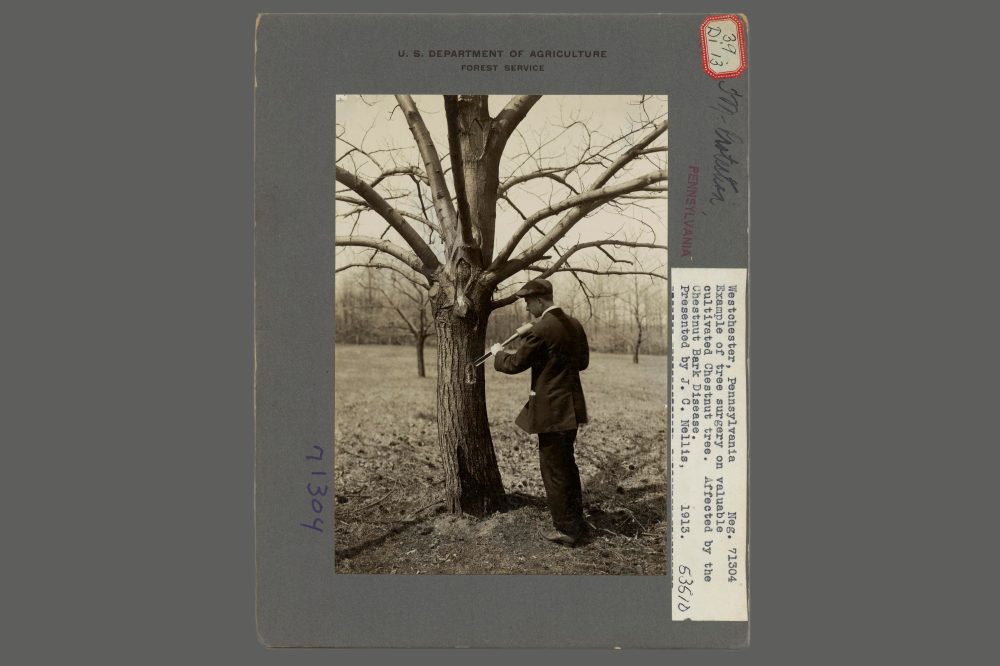
Enough time has passed that few people alive today recall what it meant to walk through forests filled with these giants. However, their legacy endures. Historic photographs continue to showcase their impressive stature. Organizations remain committed to preserving their history and working toward restoration.
The Chinese chestnut, brought to America for its valuable nuts, offers hope. While it doesn’t reach the same heights, this variety can withstand the diseases that destroyed its American cousin.
Tree specialists have attempted to transfer the disease-fighting characteristics into American chestnuts through breeding programs. This challenge has proven extraordinarily difficult. Traditional breeding methods have failed, and recent genetic analysis explains the obstacles — the beneficial traits exist in multiple locations throughout the tree’s DNA structure.
However, this genetic roadmap now offers scientists a clearer path toward developing trees capable of survival.
Researchers remain optimistic that future decades will produce sufficient healthy specimens to make the species self-sustaining, once again depending on wandering bears and absent-minded squirrels for natural propagation.