
Brazil’s President Luiz Inacio Lula da Silva put his signature on a new law late Thursday that prohibits the sale and production of foie gras within the South American nation, citing concerns over animal cruelty.
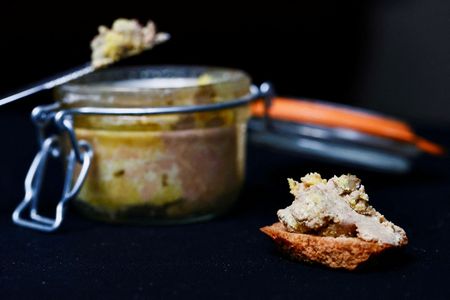
Foie gras is a prized French delicacy traditionally made from the livers of ducks or geese that have been force-fed to enlarge the organs. France regards the dish as an important part of its culinary heritage, but animal welfare advocates have long condemned the force-feeding process used to produce it.
Because Brazil produces very little foie gras domestically, the new law will in practice shut down imports of the high-end food from France.
When Brazil’s Congress voted unanimously to approve the ban back in April, French diplomats ramped up their efforts to pressure Lula into vetoing the bill, according to a Brazilian diplomat who requested anonymity.
“The argument was that their production does not involve animal cruelty, that it is a cultural issue, and so on,” the Brazilian diplomat said. “But there was no chance of (a veto) … It was approved unanimously by Congress.”
Both the French embassy in Brasilia and the France-Brazil Chamber of Commerce declined to offer any comment on the matter.
The Brazilian diplomat also noted that France is not in a strong position to be making demands of Brazil, pointing to French resistance that had held up an EU-Mercosur trade agreement — a deal that was ultimately signed in January after 25 years of negotiations. France had viewed that trade agreement as a potential avenue to grow its foie gras exports to Brazil, the diplomat said.
Following the congressional vote, France’s foie gras industry association CIFOG posted a statement on its website arguing that the ban would violate the terms of the EU-Mercosur agreement.
A 2022 European Union report concluded that foie gras production was in compliance with animal welfare standards, but Brazilian animal rights activists have pushed back on those findings.
“What constitutes ‘good treatment’ can be pretty relative, right? I don’t know what they mean by ‘good treatment,’ but for animal welfare organizations, there is no wellbeing involved,” said Marina Lacorte, food systems campaign manager at the welfare group World Animal Protection, referring to how foie gras is produced.