
KYIV, Ukraine — A deadly Russian drone assault on a civilian minibus in southern Ukraine’s Kherson region claimed two lives on Saturday, according to local authorities, marking another instance of Moscow targeting non-military areas throughout its ongoing invasion.
Regional administrator Oleksandr Prokudin reported that seven additional individuals sustained injuries in the initial strike. Later that day, Russian forces launched a second attack on another minibus in Kherson, injuring the vehicle’s operator, Prokudin stated.
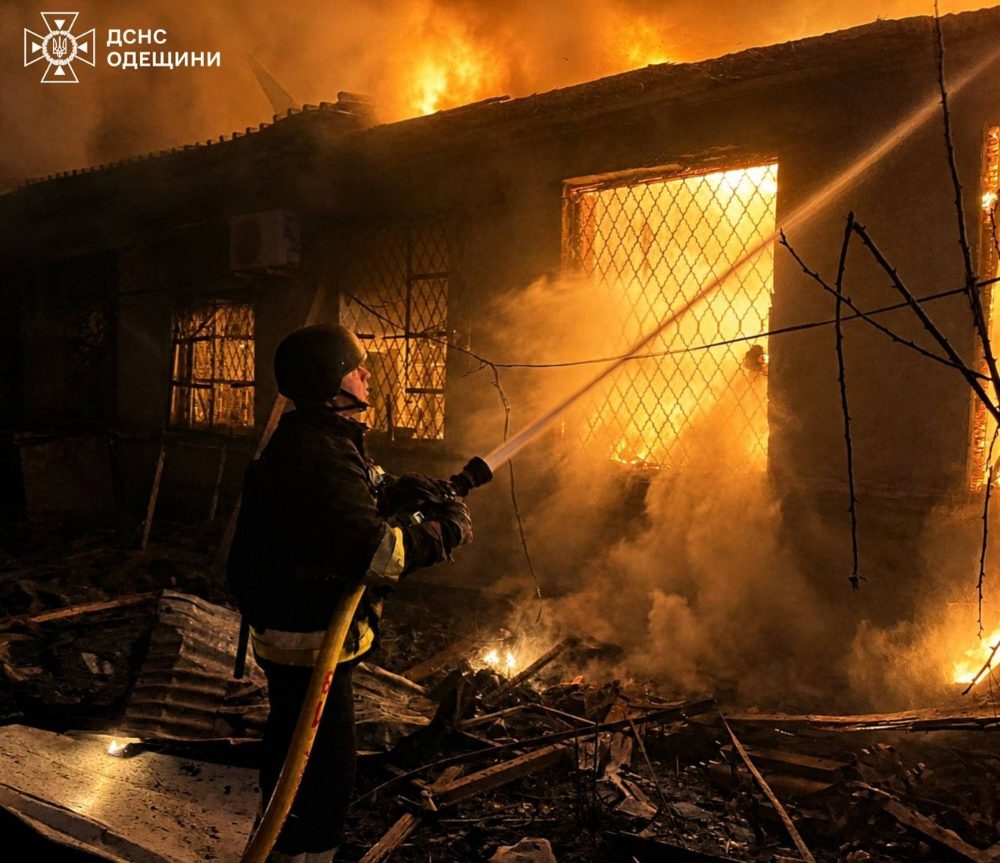
Along Ukraine’s Black Sea coastline, Russian forces struck port facilities in Odesa, causing infrastructure damage but no reported injuries.
Ukrainian citizens have faced continuous aerial bombardments since Moscow initiated its comprehensive invasion more than four years ago. Diplomatic efforts facilitated by the United States between Russian and Ukrainian representatives over the past year have failed to provide relief, with Russia turning down Ukraine’s ceasefire proposal. Recent developments in the Iran conflict have shifted global focus away from Ukraine’s ongoing crisis.
On the battlefield spanning approximately 1,250 kilometers (750 miles), Russian military officials announced Saturday they had seized the village of Myropillia in Ukraine’s northeastern Sumy region.
Independent confirmation of these military developments was not available, and Ukrainian officials had not yet responded to the claims.
Within Russian territory, authorities in the Krasnodar region reported that firefighters successfully extinguished a blaze at an oil terminal in the Black Sea port of Tuapse on Saturday, following a Ukrainian attack the previous day.
Ukrainian unmanned aircraft have targeted the Tuapse oil processing and export facility four times within slightly more than two weeks, igniting fires that forced local residents to evacuate and created enormous smoke clouds.
Ukraine has intensified its long-range attacks on Russian petroleum installations as part of a strategy to reduce Moscow’s oil revenue, which provides crucial financing for its sustained military campaign. However, the economic consequences remain uncertain, as increased oil prices resulting from the Iran conflict and corresponding relaxation of U.S. sanctions have helped restore Russian government revenues.