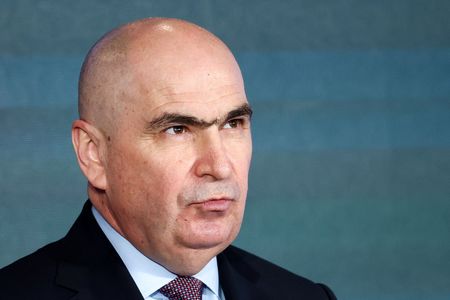

BUCHAREST – Romania’s pro-European Prime Minister Ilie Bolojan faces the potential downfall of his minority administration in early May following Tuesday’s submission of a no-confidence motion by his previous coalition allies, the leftist Social Democrats, working alongside far-right opposition forces.
The breakdown of the governing coalition threatens to create weeks or potentially months of political gridlock, which analysts warn could negatively impact Romania’s debt yields, credit ratings, and ability to secure European Union funding while negotiations for a new parliamentary majority take place.
Ministers from the Social Democratic party abandoned the government last week, though the reform-focused Bolojan has declined to resign from his position. He maintains his administration must continue implementing essential reforms to secure more than 10 billion euros ($12 billion) in pandemic recovery and resilience funding before the EU’s August cutoff date.
The country faces additional pressure to reduce the European Union’s highest budget deficit, targeting 6.2% of economic output this year compared to over 9% in 2024, or face the risk of losing its investment grade status.
Romania’s leading employers’ organization Concordia warned Tuesday that losing this rating would burden Romania with 100 billion lei ($23 billion) in additional debt expenses over the next five years.
Although the Social Democrats (PSD), who represent parliament’s largest party and are essential for forming any pro-EU majority, have indicated willingness to rejoin a similar pro-European coalition under different leadership, other parties have declared they will refuse future collaboration with the PSD.
The PSD has partnered with the hard-right Alliance for Uniting Romanians (AUR) to advance the no-confidence motion, though PSD leadership has rejected any plans for cooperation with AUR beyond the May 5 vote.
Should Bolojan’s government survive the challenge, he must still pursue a new confidence vote within 45 days, coinciding with the expiration of interim appointments replacing departed PSD ministers.
In the event of government collapse, centrist President Nicusor Dan, who holds the authority to nominate prime ministers, is anticipated to work toward reconstructing the four-party pro-EU coalition with either a different Liberal leader or a technocratic candidate at the helm.