
TALLINN, Estonia — Estonian officials report that a Romanian F-16 fighter jet operating as part of NATO’s Baltic air patrol mission intercepted and destroyed what authorities believe was a Ukrainian drone flying over southern Estonia on Tuesday.
Ukrainian officials issued an apology for what they called an “unintended incident,” while Russia issued threats of retaliation should Ukrainian drones be launched from Baltic nations.
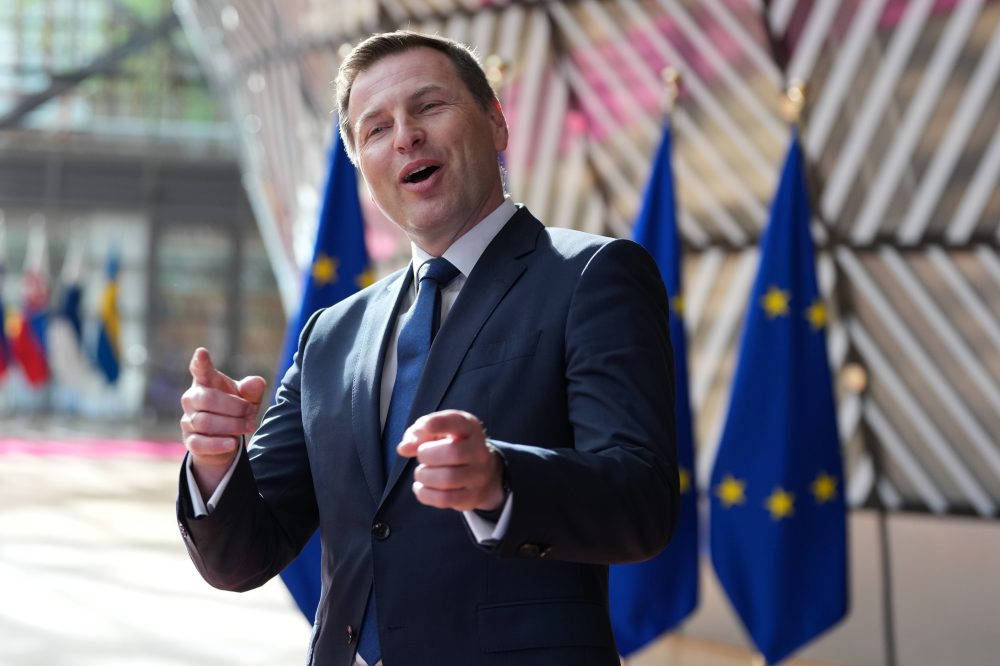
Estonian Defense Minister Hanno Pevkur explained that based on the aircraft’s flight path, “we decided that we need to take it down.”
“Most probably, today we can say that it was (a) drone which was, let’s say, meant to hit some Russian targets,” Pevkur told The Associated Press.
This marks another occurrence in a series of similar events over recent months where Ukrainian drones targeting Russia have wandered into or crashed within NATO member territories. Western officials attribute these incidents to what they believe is Russian electronic interference with the drone systems.
These episodes have occurred as Kyiv has intensified its unmanned aerial vehicle campaigns, targeting energy infrastructure and weapons manufacturing facilities deep within Russian territory as Ukraine’s technological capabilities and production capacity have expanded.
Russian authorities reported on Sunday that one of Ukraine’s largest drone operations against the country resulted in at least four deaths, including three casualties near Moscow, with twelve additional people injured.
Extended-range drone operations have become a defining characteristic of the conflict, which started more than four years ago with Russia’s comprehensive invasion of Ukraine.
Ukrainian foreign ministry spokesman Heorhii Tykhyi stated that specialists from Ukraine and Estonia are collaborating on preventive measures for future incidents.
Ukraine extends its apologies “to Estonia and all of our Baltic friends for such unintended incidents,” Tykhyi wrote on X.
Estonia’s defense minister indicated that Ukraine has received warnings to exercise greater caution.
“Our messages have not changed,” Pevkur stated. “We’ve said to the Ukrainians all the time that if you’re attacking Russian positions or Russian targets, then these trajectories have to be as far from the NATO territory as possible.”
These operations have created friction within Baltic nations, which back Ukraine’s military efforts, and between those countries and Russia.
Russia’s Foreign Intelligence Service, known by its acronym SVR, issued a statement Tuesday claiming Ukraine is preparing to launch drone strikes against Russia from Baltic territory and issued warnings of retaliation.
The agency stated that Ukrainian military personnel had already been deployed to Latvia and cautioned that the nation’s NATO membership would not shield it from “just retribution.”
“Modern surveillance systems allow precise determination of the coordinates of the drone launch site,” the SVR stated.
Latvia’s government fell last week, with the prime minister stepping down after the defense minister was compelled to resign over management of multiple incidents involving wayward drones suspected of Ukrainian origin, leading his party to withdraw support.
Latvian President Edgars Rinkēvičs wrote on X that “Russia is lying about Latvia allowing any country to use Latvian airspace and territory to launch attacks against Russia or any other country.”
Estonian Foreign Minister Margus Tsahkna released a statement after Tuesday’s incident affirming Ukraine’s right to target Russian military installations.
“Estonia has not permitted its airspace to be used for attacks against Russia,” he stated. “Incidents such as this are linked to Russian jamming activities.”