
Israeli military forces successfully intercepted rockets launched by Hezbollah into Israeli territory on Wednesday, according to military officials, while Lebanese security sources reported an Israeli strike on a vehicle near Beirut, putting pressure on a U.S.-brokered agreement designed to reduce cross-border attacks.
In a statement, the Iran-backed Hezbollah organization confirmed it had launched multiple rockets targeting an Israeli military position in northern Israel, marking the first announced cross-border missile strike since Monday.
Lebanon has become a central focus of regional tensions this week, as the possibility of increased conflict threatens diplomatic efforts to establish an agreement between Iran and the United States. Tehran maintains that Israel must cease attacks on Lebanon as part of any deal.
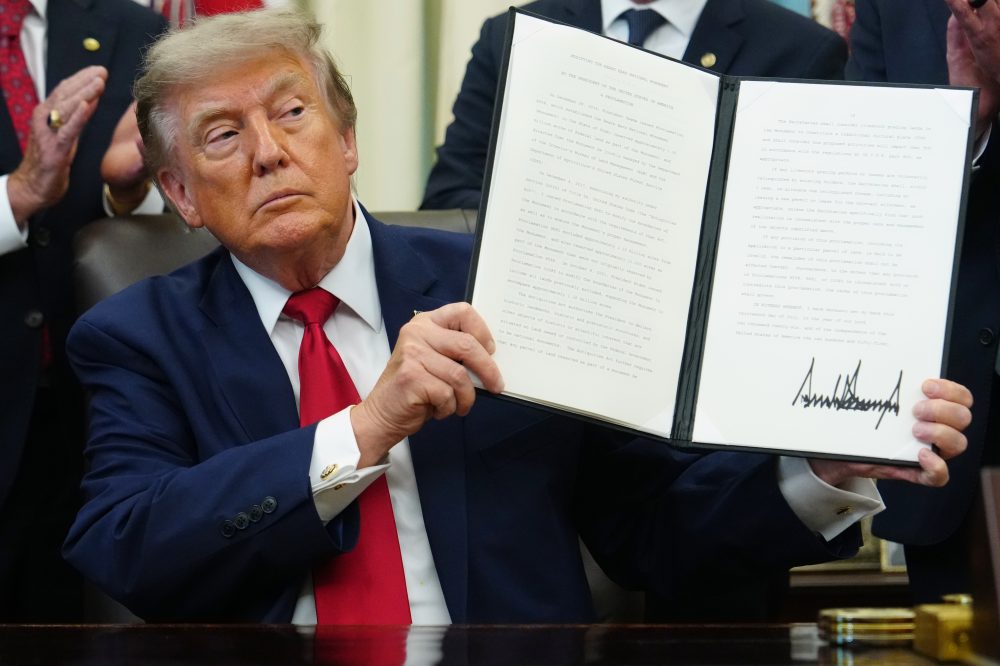
Fighting has persisted in southern Lebanon following Monday’s announcement of the U.S.-brokered agreement, when President Donald Trump revealed he had requested Israeli Prime Minister Benjamin Netanyahu avoid conducting a major operation against Beirut, while Hezbollah, through intermediaries, committed to avoiding attacks on Israel.
On Tuesday, Israeli Defense Minister Israel Katz warned that Israel would target Hezbollah-controlled southern areas of Beirut if northern Israel came under attack.
Israeli military officials confirmed they had intercepted two rockets that entered Israeli airspace from Lebanon.
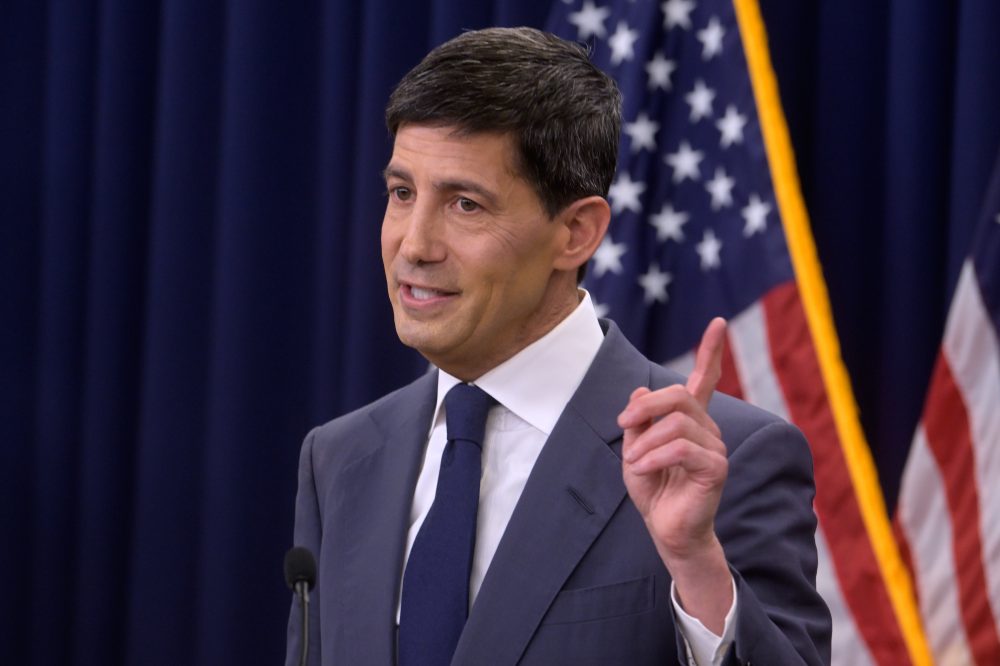
“Only the successful interception by the IDF (Israel Defense Forces) prevented what could have been a deadly attack on civilians, including children,” stated Michael Leiter, Israel’s ambassador to Washington, in a social media post.
Leiter explained that Israel had agreed to avoid striking Beirut under the condition that Hezbollah cease its attacks on Israel, calling Wednesday’s rocket fire a “blatant violation of that understanding.”
Earlier in the day, Israeli forces reported intercepting a hostile aircraft entering Israeli territory, which a military spokesperson indicated was likely a drone launched by Hezbollah.
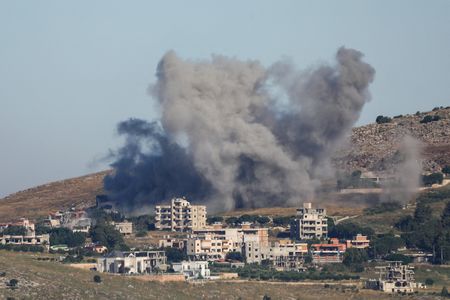
Lebanese security sources reported Israeli drone attacks on at least 10 vehicles throughout Wednesday, including one strike on a car traveling on the main coastal highway in the Khalde area, located several kilometers south of Beirut, which injured two individuals.
This represented the nearest attack to Beirut since Trump requested Israel refrain from targeting the Lebanese capital.
A separate Israeli strike on a road near the coastal city of Tyre resulted in six deaths, according to the Lebanese health ministry, which identified the victims as four Syrians and two Palestinians.
The health ministry also reported that an Israeli strike on an ambulance killed two medical workers in the town of Chehour.
The Lebanese army announced that an Israeli airstrike killed one of its soldiers while he was traveling on a road in the southern region.
The Israeli military did not immediately respond to Reuters’ inquiries regarding these strikes.
Trump’s diplomatic initiatives on Monday were intended to prevent further escalation of the conflict that has continued since March 2, when Hezbollah began attacking in support of Iran, which was facing U.S.-Israeli military action.
Iran has insisted on a ceasefire in Lebanon as a component of any agreement with the U.S. to end the broader conflict, and has indicated in recent days that it might intervene directly to support Hezbollah if Israel maintains or increases its attacks in Lebanon.
On Monday, Iran’s military warned residents of northern Israel to evacuate if Israel attacked Beirut.
Israel conducted heavy bombardments of Beirut’s southern suburbs, called Dahiyeh, early in the conflict but has executed only two strikes there since Trump announced a Lebanon ceasefire in April.
Hezbollah reported conducting 13 operations against Israeli forces on Tuesday in southern Lebanon, where Israeli troops maintain a self-declared security zone.
Israeli military officials issued fresh evacuation warnings to residents of six villages and towns in southern Lebanon, instructing them to leave their homes due to planned operations against Hezbollah.
More than 3,500 people have died in Lebanon from Israeli attacks since March 2, including 711 women, children and medical personnel, according to Lebanon’s health ministry. The ministry’s statistics do not distinguish how many fighters are included in the death toll.
Israel reports that 26 of its soldiers and four civilians have been killed in Hezbollah attacks since March.
Representatives from the Lebanese and Israeli governments were scheduled to meet in Washington on Wednesday for a second straight day of discussions, marking their fourth direct meeting arranged by the U.S. since the conflict began.
The Lebanese government is participating despite opposition from Hezbollah.