
As warm weather draws boat enthusiasts to the water, rising fuel costs are forcing many to reconsider their summer plans on lakes and waterways across the nation.
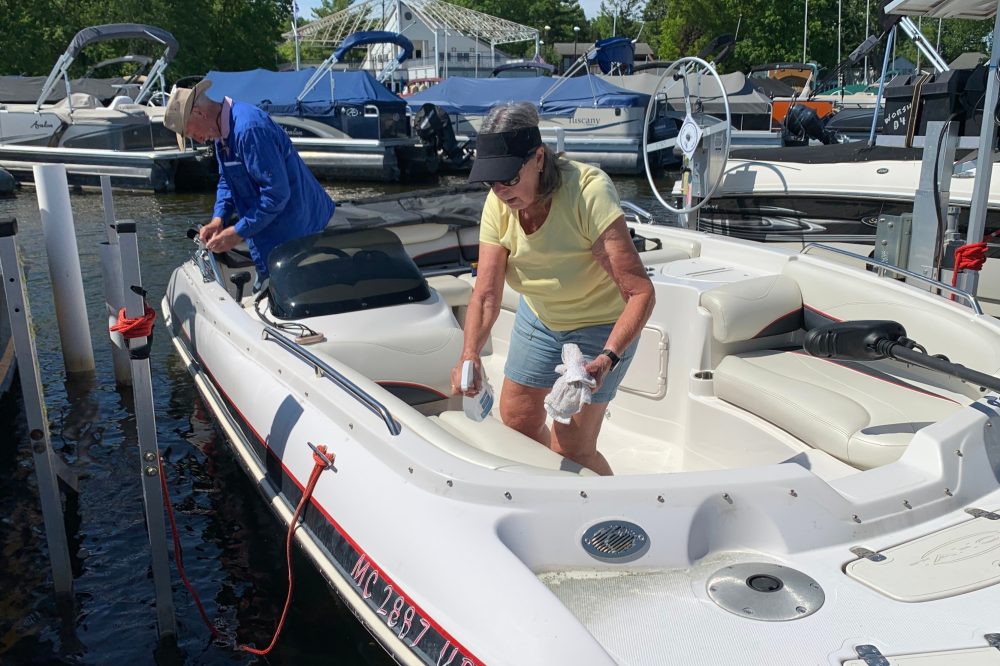
Brothers Malik Amine and his sibling faced this reality recently while preparing their family’s pontoon boat at Portage Lake in Michigan. Standing on a narrow wooden dock with their boat’s 52-gallon tank to fill, they had to decide how much gasoline to purchase with prices significantly higher than last year.
Boat owners nationwide are experiencing the same financial pressure affecting drivers at gas pumps. According to motor club AAA, regular gasoline averaged 34% more per gallon on Friday compared to the same time last year, while diesel fuel prices have jumped 53% annually. The conflict involving Iran has contributed to these elevated costs.
Marine fuel presents an even greater expense. Ethanol-free gasoline, preferred by many boat operators, classic car enthusiasts, and lawn equipment users, costs between 20 cents and $1 more per gallon than standard fuel, according to the National Association of Convenience Stores. Near Portage Lake, located 60 miles west of Detroit, one gas station is charging $7 per gallon for ethanol-free fuel.
Amine decided against filling his boat’s tank completely before Memorial Day weekend. “The cost is going to be a lot more than it was last year,” Amine said. “I think it’s probably a little bit smarter to do what you need and fill it as much as you need, because who knows when this conflict’s going to end.”
The National Marine Manufacturers Association reports that 100 million Americans participate in boating annually, supporting a $230 billion industry. The trade organization, representing boat manufacturers, marine engine producers, and equipment suppliers, indicates that while most boaters still intend to enjoy the water this season, fuel costs are influencing their activities.
“There were a number of people within that who said, ‘I am going to have to change my behavior’,” said Ellen Bradley, the association’s chief brand officer. “I may not go as far. I may not as fast. I may spend more time anchored and swimming. I may spend more time at the dock.”
Neil and Kathleen Donohoe have made boating their lifestyle, selling their Colorado home to live aboard their 50-foot diesel vessel named Granuaile, after the Gaelic name for Grace O’Malley, a 16th century Irish sea captain known as Ireland’s pirate queen. For seven years, they’ve navigated the East Coast and traveled to the Bahamas.
While boat maintenance typically represents their largest expense, Neil Donohoe explains that fuel costs have become shocking. Their vessel holds 1,500 gallons, and they now research other boaters’ recommendations and use marine applications to locate the most affordable fuel options.
“It’s not driving us not to cruise, but it’s making a difference,” he said.
This summer, the couple plans to remain in the Chesapeake Bay region rather than traveling further north. Having previously visited Maine and Canada, they don’t feel compelled to return while fuel prices remain elevated.
“It seems a little gross to spend that kind of money when so many people are struggling,” Kathleen Donohoe said.
Marine businesses are also feeling the impact. The Seattle Sailing Club, offering instruction, chartered excursions, and rentals, reports a 10.7% increase in fuel expenses since the conflict began.
Lindsey Brown, the club’s office manager, explains that while their 30-boat fleet primarily uses wind power, all vessels have gasoline or diesel backup engines. In April, the marina charged $6.50 per gallon for diesel, rising to $7.99 per gallon by late May.
“We are just heading into our busy season, so we may see a more dramatic effect on our business if the price of fuel doesn’t change or continues to increase,” Brown said. Brown, who resides on a sailboat at the marina, noted that her wastewater pumping service recently added a fuel surcharge.
The busy season is also beginning for Melissa Kunnert, owner of NautiMi On the River, an ice cream and gift shop near Portage Lake. She operates a tiki-themed pontoon boat for parties and conducts three-hour evening cruises for $50 per person starting after Memorial Day.
Despite higher fuel costs for her pontoon, Kunnert chose not to increase prices this summer. She speculates whether elevated gas prices affecting all travel might actually help her business by encouraging potential customers to stay closer to home.
“I’m interested to see if we’ll have the same amount as previous years (or) if we will have more because people don’t want to use their gas, they want ours,” Kunnert said.
In Traverse City, Michigan, several hours north of Portage Lake, Robert Hinds added a $50 fuel surcharge to fishing excursions offered through his business, Central Coast Angling. As owner and operator, he transports his 22-foot boat between Lake Michigan ports depending on fishing conditions, requiring fuel for both his truck and boat.
Hinds reports multiple trip cancellations as customers calculate their own gas expenses. One regular customer from Nebraska skipped their usual spring visit.
“It’s really tough. People do want to get out and I still believe people will,” he said. “But everybody comes from different walks of life.”
Hinds recently canceled his own fishing trip to Wisconsin after calculating $400 in diesel fuel costs for his truck.
“I can just stay home and fish here,” he said.