
The click of a metal door. Golden light filtering through colored glass. Childhood tears and morning anxiety about boarding the school bus.
These haunting recollections stay with clergy abuse survivors for decades after their traumatic experiences.
This week’s release of a comprehensive Rhode Island attorney general’s investigation exposed extensive abuse within the Catholic Diocese of Providence, naming 75 religious officials who sexually victimized more than 300 minors beginning in 1950. The probe examined thousands of diocesan documents and conducted extensive interviews with survivors and witnesses over multiple years. Investigators believe the actual victim count significantly exceeds these documented cases.
However, survivors emphasize that statistics tell only a fraction of their stories. Each documented incident represents childhood trauma that emerges years later — accompanied by lengthy journeys toward understanding their experiences.
Numerous survivors dedicated decades to seeking answers and urging officials to launch investigations. Today, some are publicly sharing their ordeals and outlining their expectations moving forward: expanded survivor support services, church-funded therapy and counseling assistance, and responsibility from Catholic hierarchy.
“That metal door’s hardware clicking still echoes in my mind today,” stated Dr. Herbert “Hub” Brennan, an internal medicine physician practicing in his East Greenwich, Rhode Island birthplace, where he was raised in a deeply Catholic household.
Brennan experienced sexual abuse during elementary school at the hands of Rev. Brendan Smyth, an Irish clergyman who came to the area during the 1960s. Brennan served as an altar boy at Our Lady of Mercy Parish when the abuse commenced in the church’s sacristy.
According to Brennan, a nun would remove him from classroom instruction and direct him to wait in the principal’s office until Smyth’s arrival, who would then escort him to the nurse’s quarters.
“People say rape stands among the rare crimes where victims bear the shame,” Brennan explained. “The shame feels overwhelming. The subsequent secrecy meant to conceal that shame becomes an obstacle to recovery.”
Brennan faced his trauma years afterward when a 1995 newspaper landed on his doorstep. The front-page story about Smyth’s Irish arrest declared: “Diocese has no complaints about jailed priest.”
Smyth eventually received conviction for attacking children no fewer than 100 occasions across four decades.
When Brennan subsequently attempted discussing his abuse with a parish clergyman, he received assurance that no complaints existed, only discovering later that this priest had shared living quarters with Smyth.
This discovery motivated Brennan’s pursuit of accountability. He eventually collaborated with attorney Mitchell Garabedian and reached a settlement through Massachusetts Superior Court.
“I felt compelled to ensure others understood exactly what transpired within this diocese — whether others suffered similar experiences, who bore responsibility, and how they concealed it,” Brennan explained.
This week’s report felt like the culmination of his efforts, he noted: “This enabled my transition from survivor-victim to advocate.”
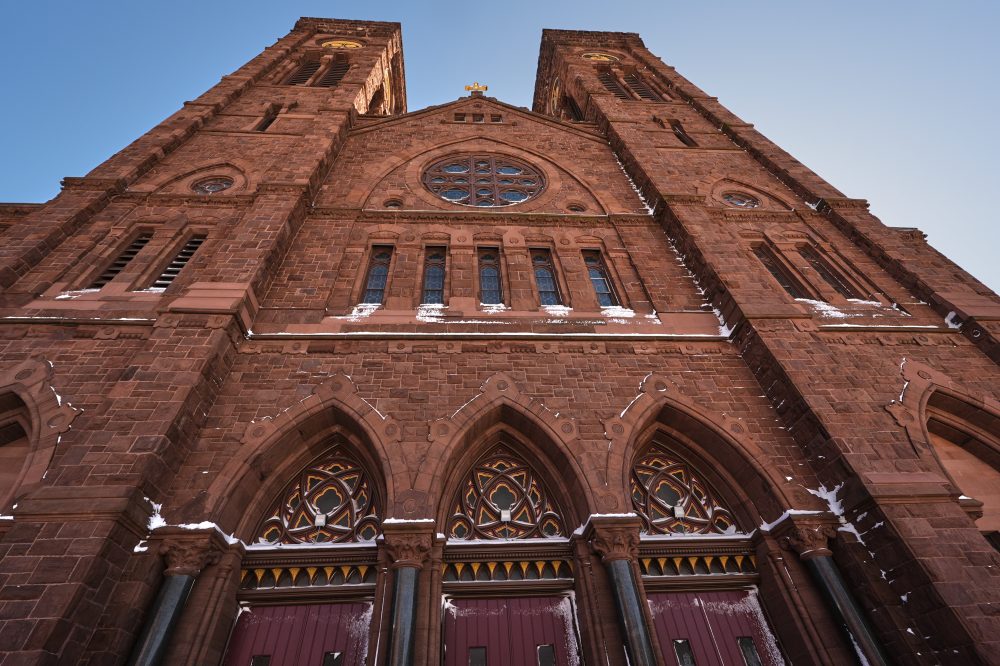
For Claude Leboeuf, amber illumination streaming through stained-glass windows continues triggering distressing recollections.
Leboeuf, who endured abuse by a priest during childhood in nearby Massachusetts and currently advocates for Rhode Island victims, described the report as a crucial step toward dismantling the church’s “wall of secrecy.”
Leboeuf said his memories only resurfaced recently, motivating him to pursue legal remedies and speak openly about his experiences.
“These individuals need genuine assistance: financial support, educational funding, therapeutic services,” he emphasized. “The consequences are real and endure extensively.”
In a recorded statement, Providence Bishop Bruce Lewandowski characterized the report as describing a “tragic history” of abuse that inflicted permanent damage on victims and their families. He expressed “extreme sadness” and “intense shame” while reviewing it and offered apologies to survivors for church leadership’s historical failures in child protection. Lewandowski stated the diocese has established protective measures designed to address allegations promptly and prevent abuse.
Leboeuf disputes this characterization.
“This isn’t ancient history. This represents justice withheld for over 60 years for some individuals,” he stated. “These are people who brought their concerns to the diocese as children during the 1960s, and they faced dismissal, mockery, even punishment.”
Ann Hagan Webb recalls the anxiety she experienced each morning before her school bus’s arrival. Webb was merely a kindergarten student when her parish priest initiated sexual abuse at her Rhode Island school.
The abuse occurred from 1957 through 1965, during which Webb — victimized from ages 5 to 12 — remembers pre-school emotional breakdowns, sometimes requiring physical assistance onto the bus.
Only decades later, at age 40, did Webb seek therapeutic help to process these memories. When she felt prepared to report the abuse, Webb encountered hostility.
Initially, she requested only reimbursement for therapy expenses. Nevertheless, she faced doubt, with Diocese of Providence officials demanding her medical documentation and challenging her claims’ truthfulness.
Webb shifted toward advocacy, establishing herself as a prominent voice for clergy abuse survivors. In 2019, she successfully lobbied the Rhode Island Legislature to pass legislation called “Annie’s Law,” enabling civil accountability for child sexual abusers.
The advocacy work has proven draining, Webb noted, and she continues facing stigma during public appearances. Her abuse often gets overlooked, she explains, because many people assume clergy abuse only affected male victims.
“For 32 years, the diocese has labeled me not credible. I cannot describe that feeling,” Webb said.
The attorney general investigation’s release has rekindled her optimism that change and justice remain achievable.
“This feels like vindication,” she declared.
“I hope the public demands their church transform,” she continued.
The Rhode Island investigation arrives during a period when examining potential clergy abuse has become commonplace.
This represents a dramatic change from 2002, when The Boston Globe revealed the Boston Archdiocese’s practice of transferring abusive priests between parishes without alerting parents or law enforcement, sparking worldwide investigations.
This reckoning required decades longer in Rhode Island. With among the nation’s highest per-capita Catholic populations — approaching 40% — the Diocese of Providence preserved secrecy surrounding clergy abuse despite emerging accusations and litigation over the years.
Attorney Tim Conlon, who has extensively represented sexual abuse victims in Rhode Island, explained that when he initially filed lawsuits against the Diocese of Providence, many people refused believing such allegations could occur in their own parishes. During the late 1990s, he recalled, even his mother questioned whether he was pursuing the correct path.
State legislation has also complicated victims’ justice-seeking efforts, Conlon noted, referencing strict limitations on civil litigation against institutions like the Catholic Church and restrictive statutes of limitations for second-degree sexual assault.
“There’s clearly a demand for reform,” Conlon stated. “The need’s magnitude is thoroughly documented.”