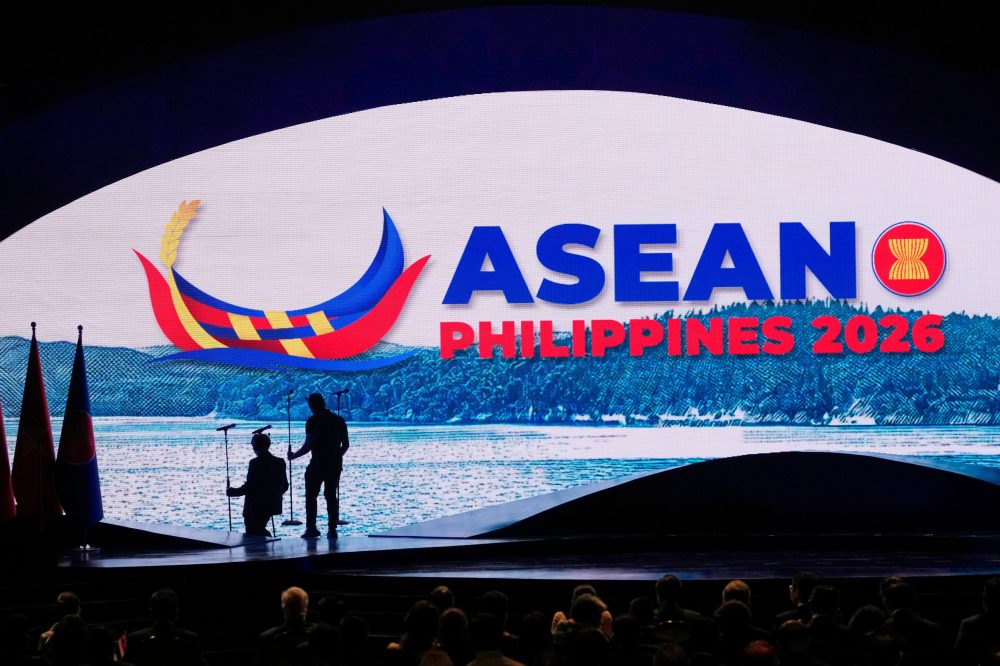

MOSCOW (AP) — Russian President Vladimir Putin has opened a two-day summit in Kazan with leaders from the Association of Southeast Asian Nations, aiming to deepen business and diplomatic ties between Russia and the regional bloc.
The Russia-ASEAN summit is focused on expanding what Russia calls a “strategic partnership” with ASEAN’s member nations, which include Brunei, Cambodia, Indonesia, Laos, Malaysia, Myanmar, the Philippines, Singapore, Thailand, East Timor, and Vietnam.
ASEAN has long maintained relations with Moscow as a “dialogue partner,” with top-level meetings held annually. This year’s gathering in Kazan carries added significance as it commemorates the 35th anniversary of the Russia-ASEAN relationship.
In remarks to participants at a business forum running alongside the summit, Putin expressed confidence that the event would “create new opportunities for expanding mutually beneficial trade, investment, and industrial cooperation, while also strengthening direct dialogue between our business communities.”
Kremlin foreign affairs adviser Yuri Ushakov outlined the summit’s agenda, saying it would include discussions on global and regional issues as well as a review of progress in Russia-ASEAN relations. He noted that participants are expected to reaffirm their commitment to “forming a just and democratic multipolar world order based on the principles of international law and the United Nations Charter.”
Ushakov also confirmed that Putin planned to hold one-on-one meetings with individual ASEAN leaders throughout the summit.
The member nations of ASEAN vary widely in their global alignments. The Philippines, which currently holds the bloc’s rotating annual presidency, is considered closely aligned with the United States. Other members maintain significant trade and security ties with both China and Russia.
Several ASEAN countries — including the Philippines, Indonesia, Thailand, and Vietnam — have either already purchased Russian crude oil or expressed interest in doing so, following a sharp rise in global fuel prices in the aftermath of the war in Ukraine.