
SAN JUAN, Puerto Rico — A deepening political crisis is gripping the administration of Puerto Rico Gov. Jenniffer González, as fresh allegations of public corruption, government interference, and conflicts of interest continue to surface.
The latest figure caught up in the controversy is the governor’s chief of staff, Francisco Domenech, who is now the subject of a high-profile investigation. His situation follows the resignation last month of the island’s economic development chief, Sebastián Negrón, who publicly accused the administration of meddling in his agency’s operations. More than ten other officials from that agency — including its general counsel and finance chief — also stepped down, leaving the agency struggling in its mission to attract new investors to an island already burdened by chronic power outages and other persistent challenges.
Domenech holds a prominent role in the administration and also serves as executive director of Puerto Rico’s Fiscal Agency and Financial Advisory Authority.
On Wednesday, Domenech filed sworn statements with Puerto Rico’s Department of Justice and its Office of Government Ethics, accusing Negrón of corruption and conflicts of interest. The following day, he defended those actions in an interview with WIPR, a government-run television station.
Domenech explained that he waited until this week to act because he needed time to gather what he describes as evidence against Negrón — the same official the governor had previously praised as “a star” when she expressed regret over his departure in late May.
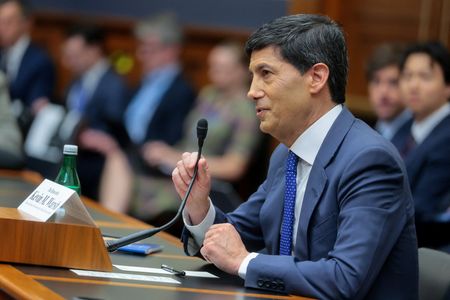
The allegations targeting Domenech are being examined by an independent state agency, and the matter has now reached the halls of the U.S. Congress. Federal lawmakers questioned the governor directly about the situation during a committee hearing Wednesday.
“How can Congress be assured that federal funds sent to Puerto Rico aren’t being misused or misplaced?” asked Republican Sen. Mike Lee of Utah during the hearing.
Gov. González responded by saying there is rigorous oversight in place for federal funds and insisted the allegations against Domenech are untrue. When Sen. Lee pressed her on why Negrón would make such accusations, she replied, “I don’t know what political motivations he may have.”
The controversy has also stirred tensions within the governor’s own party. Puerto Rico Senate President Thomas Rivera Schatz, who belongs to the same pro-statehood party as González, called for Domenech’s resignation on Wednesday. Then on Thursday, Rivera Schatz offered legislative immunity to Domenech and anyone else “if they confess their crimes and produce results that eradicate corruption.”
Domenech’s interview with WIPR marked the first time he had spoken publicly since Negrón accused him of irregularities tied to contract processing and improper government interference. Negrón had also referred to the Justice Department and the Office of Government Ethics the findings of an internal investigation involving two government officials accused of meddling in the bidding process for a contract that included federal funds.
Domenech filed his sworn statements after alleged private text messages between him and Negrón became public earlier this week, sending shockwaves through the U.S. territory. Some of those alleged messages appear to show pressure being applied to find positions within the economic development agency for loyal supporters of González who had worked on her campaign. Domenech also claimed that Negrón was already aware he was under investigation.
In a statement released Thursday, Negrón flatly denied Domenech’s accusations against him.
“The most troubling aspect of what happened today is not the attack against me personally, but the message it sends to every public servant who witnesses irregularities and decides to report them,” Negrón said.
He also warned that businesses that have invested in Puerto Rico are being pulled into the scandal as collateral damage.
“Puerto Rico needs to strengthen the confidence of those who invest, produce, and generate opportunities, not turn them into collateral damage in personal or political disputes or vendettas,” Negrón said.