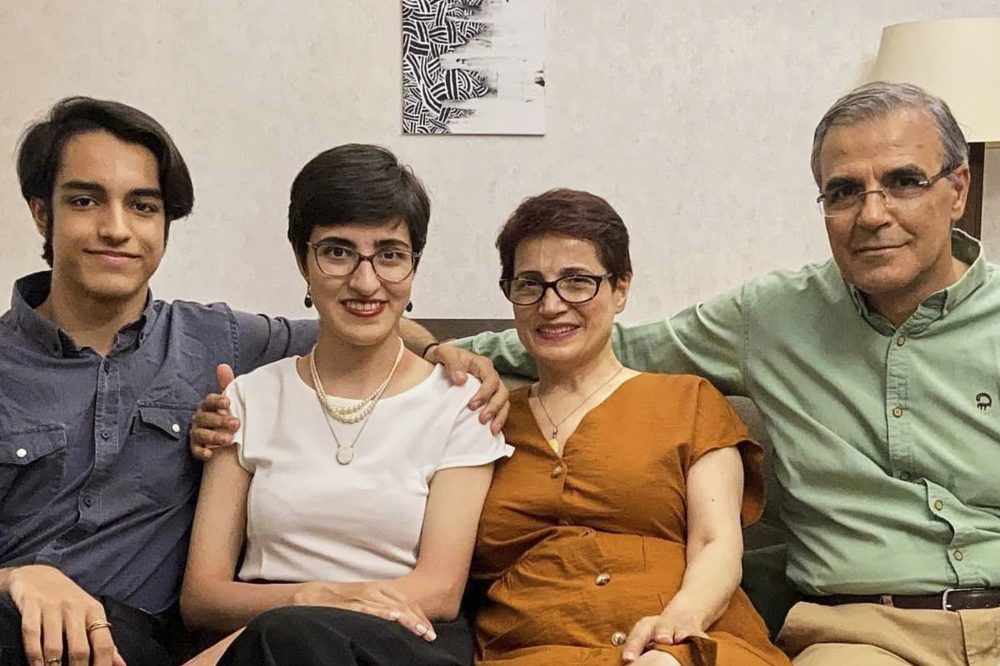

Iranian intelligence officers arrested prominent human rights attorney Nasrin Sotoudeh at her Tehran residence during an overnight operation, her daughter confirmed Thursday.
The 64-year-old award-winning lawyer has built her reputation defending political activists, opposition figures, and women charged for refusing to wear mandatory headscarves. Sotoudeh has faced multiple imprisonments and was recently released on bail due to medical concerns.
Her spouse, Reza Khandan, who is also a recognized activist, remains incarcerated at Tehran’s notorious Evin prison facility.
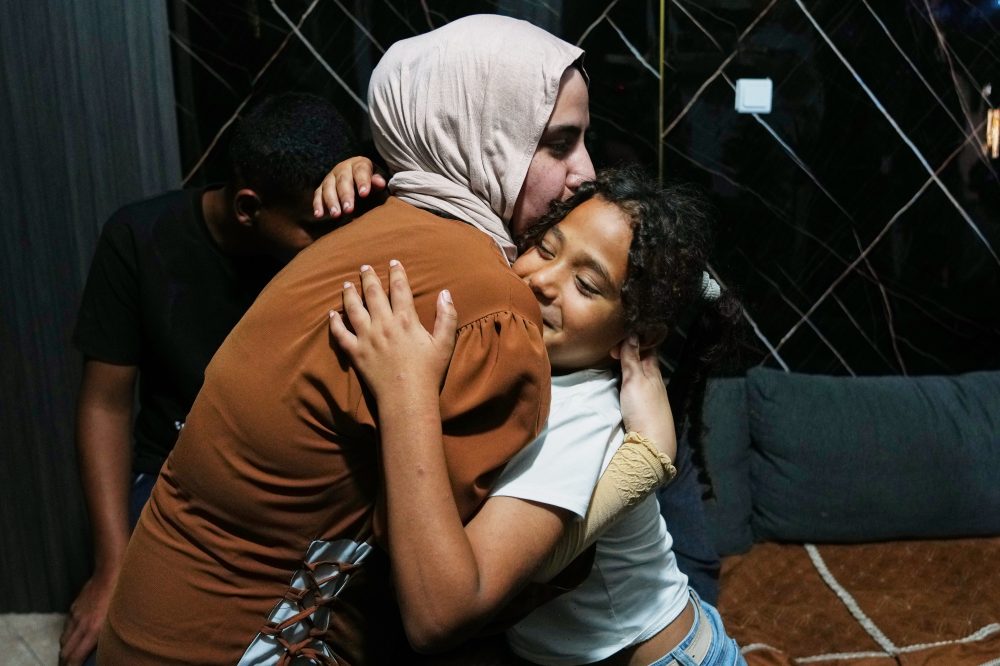
Speaking to The Associated Press from Amsterdam, daughter Mehraveh Khandan explained she learned of her mother’s detention through intermediary messages from relatives in Iran. Communication restrictions and internet limitations implemented since January have made outside contact nearly impossible.
The arrest occurs as Iranian officials have escalated their suppression of opposition voices and political dissidents while conflict with the U.S. and Israel continues. Since hostilities began February 28, authorities have reportedly detained hundreds of individuals, frequently for speaking with international media outlets. Officials have also increased executions of imprisoned demonstrators who received death sentences. Human rights organizations say this intensified repression aims to create fear and prevent future uprisings.
Just prior to her detention, Sotoudeh participated in an interview published Monday by an overseas Persian news organization, discussing the ongoing conflict and stating that the Islamic Republic’s actions “have exposed us to death.” She also criticized government suppression of January protests—the most significant demonstrations against the Islamic Republic in recent decades—which authorities met with severe force.
Khandan expressed concern for her mother, who suffers from heart problems, citing potential U.S.-Israeli strikes on detention centers and noting that “our regime became even more brutal after this war started.”
Sotoudeh’s detention follows reports that Iran’s imprisoned Nobel Peace Prize winner Narges Mohammadi may have experienced a heart attack.
Mohammadi’s French attorney Chirinne Ardakani informed AP Thursday that her legal team discovered Mohammadi’s condition during a brief prison visit last week.
“She appeared extremely emaciated, pale, weak, and had difficulty moving. In fact, she was even accompanied to the waiting room by a nurse. We learned from Narges Mohammadi that she had a heart attack on March 24th, that she was found unconscious in her cell, and that it was actually her fellow inmates who took her to the infirmary,” Ardakani said.
Beyond health worries, airstrikes occurred near Zanjan Prison in northwestern Iran where Mohammadi is detained, creating additional safety concerns, the attorney noted.
The 53-year-old rights lawyer, who received the Nobel Peace Prize in 2023 while imprisoned, was arrested in December during a trip to the eastern Iranian city of Mashhad and received an additional seven-year prison sentence. Mohammadi’s health continues deteriorating.
During a brief Thursday phone call, Sotoudeh informed her family that Intelligence Ministry agents detained her—the same agency responsible for her previous arrests, Khandan reported.
Sotoudeh instructed her family to contact prosecutors regarding her detention. Officials have not disclosed the reason for her arrest. Intelligence agents also seized all communication equipment from the residence, including her father’s devices, Khandan added.
The European Union awarded Sotoudeh the prestigious Sakharov Prize for Freedom of Thought in 2012. Her former clients include Nobel laureate Shirin Ebadi and numerous activists arrested during the government’s repeated suppression of demonstrations.
Khandan worried that news of the dissent crackdown might be overshadowed by ongoing warfare.
“It is hard for our voice to be heard in this time,” Khandan said. “The regime had (some) limits before. They don’t have (them) anymore.”