
A father-daughter team from New Jersey has admitted to orchestrating an elaborate art forgery scheme that fooled some of New York City’s most prestigious auction houses out of at least $2 million.
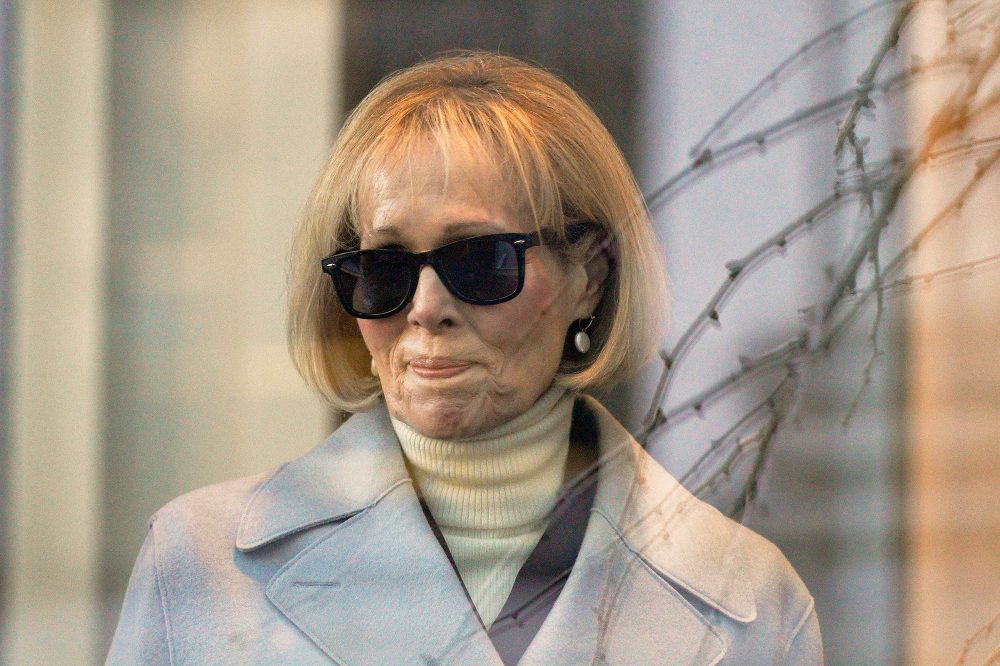
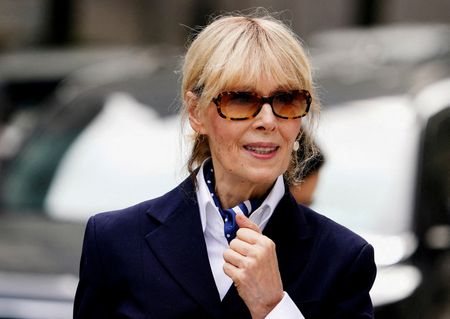
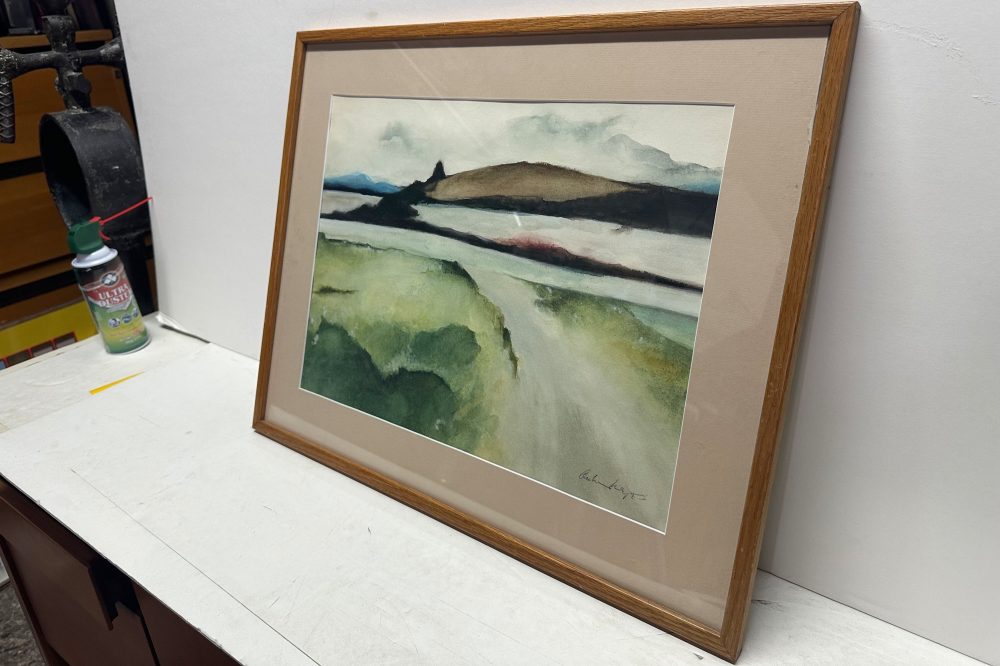
The case began unraveling just over a year ago when Karolina Bankowska, 26, walked into art dealer Robert Rogal’s private showroom carrying what appeared to be an authentic Andrew Wyeth watercolor. She claimed it was a family heirloom and hoped to sell it through consignment for an estimated $20,000 to $30,000.
“The provenance was a little fuzzy,” Rogal recalled. “But she seemed credible. It wasn’t an obvious counterfeit.”
Federal prosecutors now say that painting was among more than 200 sophisticated fakes that Bankowska and her father, 50-year-old Erwin Bankowski, attempted to sell to unsuspecting buyers. On Tuesday, both Polish citizens entered guilty pleas to fraud charges.
The counterfeit artworks were created by an unidentified accomplice in Poland and included reproductions of lesser-known pieces by renowned artists such as Banksy and Andy Warhol, according to prosecutors. Their biggest payday came from a fake Richard Mayhew painting that sold through DuMouchelles auction house last October for $160,000.
A DuMouchelles spokesperson confirmed cooperation with federal investigators but declined further comment. Other targeted auction houses, including Bonhams, Phillips, Freeman’s and Antique Arena, either refused to comment or did not respond to requests.
The defendants face wire fraud conspiracy charges and additional counts for misrepresenting Native American-produced artwork after forging pieces attributed to Luiseño artist Fritz Scholder. Federal sentencing guidelines call for more than three years imprisonment, plus $1.9 million in restitution payments and potential deportation to Poland.
During Tuesday’s court hearing, Bankowska acknowledged to the judge that her “conduct was wrong and I am guilty.” Her lawyer, Todd Spodek, noted that his client has already placed over $1 million in an escrow account.
Speaking through a Polish translator, Erwin Bankowski also expressed remorse. His defense attorney, Jeffrey Chabrowe, explained that his client had “regrettably made a terrible decision in an effort to support his family.”
Art world experts say this type of fraud is more common than many industry insiders care to acknowledge.
“The only unusual thing about this case is that the forgers got caught,” said Erin Thompson, who teaches art crime at the City University of New York.
“People think of the art world as a genteel place full of cultured people who just want to share the wonder of beautiful art,” she continued. “You should assume there are a lot more fakes out there.”
According to prosecutors, the scheme launched in 2020 when the pair began hiring a Polish artist to produce the fraudulent works. They used vintage paper and created fake gallery stamps, choosing names of defunct galleries where the supposed artists might have realistically displayed their work.
Red flags began appearing by March 2023, when representatives for artist Raimonds Staprans discovered a forged painting called “Triple Boats” being offered at auction. Despite the artist’s representatives contacting the auction house, the piece still sold for $60,000 just days later, prosecutors stated.
Thompson, the art crime expert, spotted additional warning signs. The gallery stamp on the counterfeit Wyeth listed 1976 as the year but used a zoning address format that had been discontinued in 1962.
Ironically, the fake stamp carried the name and address of M. Knoedler & Co., one of New York’s most prestigious galleries until it shuttered in 2011 following its own forgery scandal involving fake works by Jackson Pollock, Mark Rothko and other masters.
Rogal ultimately decided against listing the Wyeth painting, partly because the stamp appeared “too clean.” When he contacted Bankowska to retrieve the artwork, she never responded.
On Tuesday, while examining the painting again in his Queens warehouse filled with consigned pieces, Rogal reflected on the experience.
“You try to do a service and provide it correctly,” he said. “Can we be fooled? Absolutely.”