
LIMA, Peru — Peru must provide financial compensation to the family of a woman who lost her life during a government-mandated sterilization initiative, according to a decision from the Inter-American Court of Human Rights.
Thursday’s groundbreaking decision marks the first time Latin America’s premier human rights tribunal has ruled on Peru’s controversial sterilization campaign, which disproportionately affected poor and Indigenous women during former President Alberto Fujimori’s tenure.
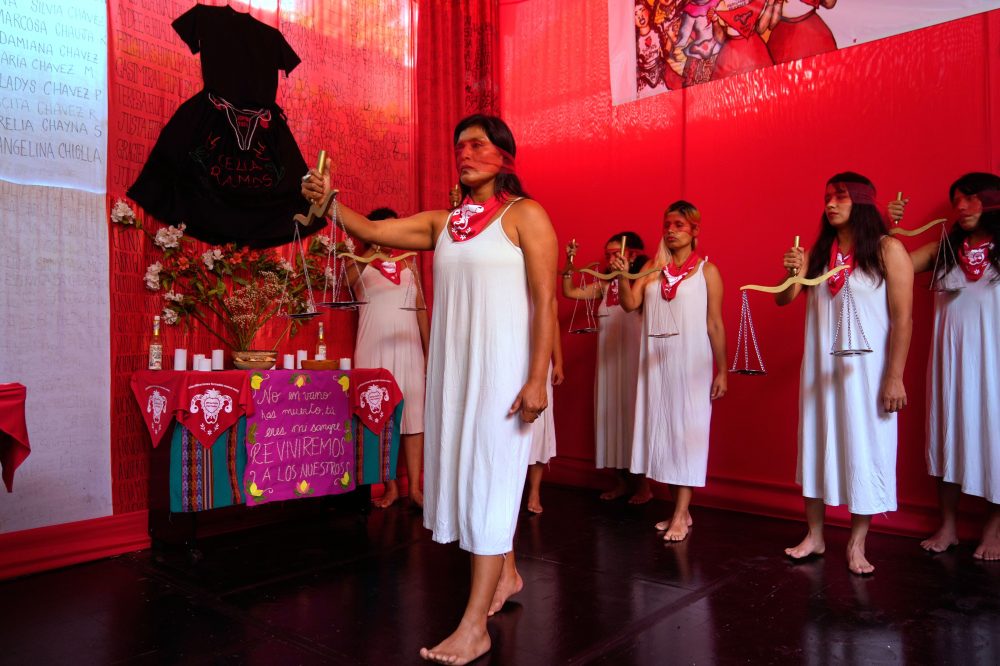
Court documents reveal that Celia Ramos, a 34-year-old mother from an Andean community, sought medical treatment at a government facility in 1997 but was instead pressured into undergoing tubal ligation surgery. The operation took place under substandard conditions without adequate equipment or medications to address potential complications.
During the procedure, Ramos suffered a serious allergic reaction, yet medical staff delayed transferring her to intensive care for thirty minutes. She passed away nineteen days later on July 22, 1997. Government officials avoided conducting a complete autopsy and failed to provide her family with adequate information about the circumstances surrounding her death, according to the court’s findings.
The tribunal has mandated that Peru provide roughly $340,000 to the Ramos family, covering both the medical costs from the failed attempt to save her life and compensation for the income she would have generated during her remaining working years.
Peru’s justice ministry has not yet responded to requests for comment regarding the ruling.
Last August, Peru’s judicial system dismissed criminal charges against Fujimori related to the sterilization program, turning down prosecutors’ appeal. After Fujimori’s death in 2024, the case returned to its initial complaint phase. Legal proceedings now concentrate on establishing criminal liability for other former government officials, including multiple ex-health ministers.