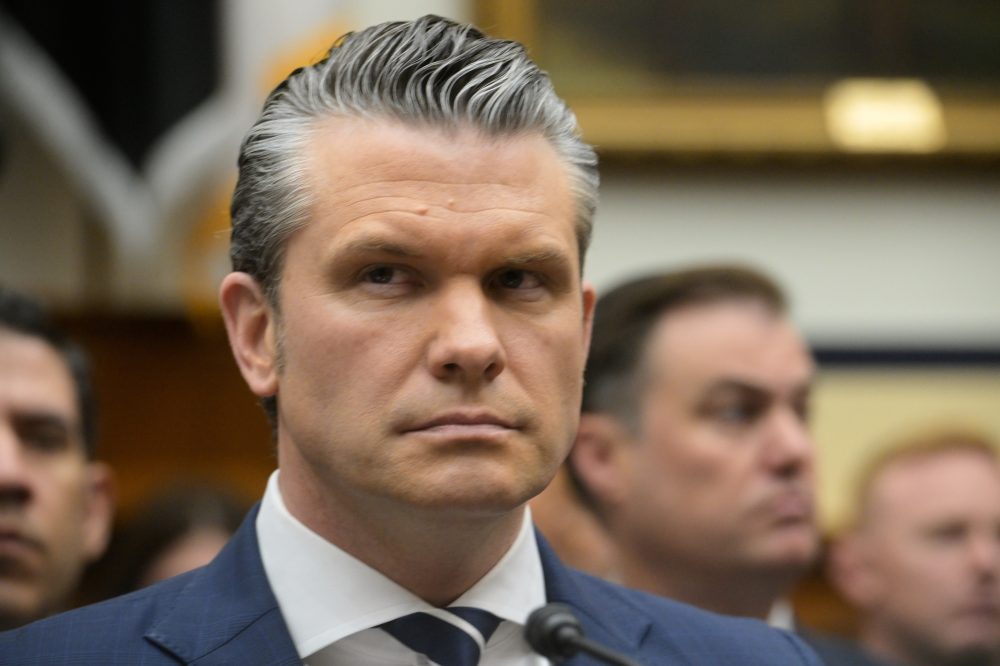

WASHINGTON — Pentagon chief Pete Hegseth returns to Capitol Hill Thursday for another round of intense questioning from lawmakers, this time appearing before senators who will have their first chance to challenge or support his management of the Iran conflict.
The Defense Secretary endured nearly six hours of heated exchanges with House Armed Services Committee members Wednesday, facing pointed criticism about the war’s financial burden, casualty toll, and impact on America’s weapons reserves.
Thursday’s Senate Armed Services Committee session will focus on the Trump administration’s proposed 2027 defense budget, which seeks a record-breaking $1.5 trillion in military spending. Hegseth and Joint Chiefs Chairman Gen. Dan Caine plan to emphasize requirements for additional unmanned aircraft, missile defense capabilities, and naval vessels.
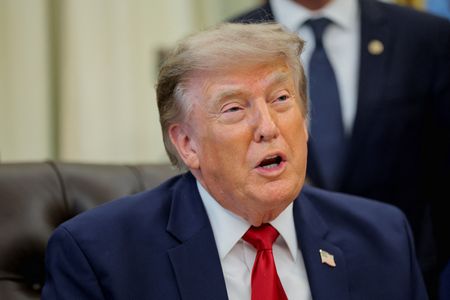
The officials will likely encounter difficult questions regarding U.S. forces stationed in Europe following President Trump’s Wednesday warning to NATO partner Germany, hinting at potential reductions in American military personnel as tensions rise with Chancellor Friedrich Merz over Iran policy.
Based on Wednesday’s proceedings, Republican senators may concentrate on military funding specifics while endorsing the Iranian operation. Democratic members are anticipated to demand clarity on conflict strategy during the current fragile ceasefire and challenge Hegseth’s dismissal of senior military commanders.
Democratic lawmakers characterize the conflict as an expensive optional war lacking proper congressional authorization or oversight. However, Congress has repeatedly failed to enact war powers measures requiring legislative approval for military operations.
Issues that legislators have sought to address since hostilities commenced February 28 received responses — or were dodged — during Wednesday’s session.
Pentagon officials revealed the conflict has consumed $25 billion thus far, primarily for ammunition and weapons. However, Hegseth declined to provide estimates on the war’s duration or potential additional expenses.
The Defense Secretary stated that a fatal attack on an Iranian elementary school resulting in over 165 deaths, including numerous children, remains under review. Associated Press reporting has indicated mounting evidence suggesting U.S. responsibility for the strike against a school located near a Revolutionary Guard facility.
Democratic Representative Pat Ryan questioned Hegseth about whether six American servicemembers killed in a Kuwait drone attack could have been saved. Hegseth avoided directly addressing the inquiry but emphasized military efforts to safeguard U.S. personnel.
During another heated moment, Hegseth informed Democratic Representative Adam Smith that Iranian nuclear installations were destroyed during U.S. attacks last June. This prompted Smith to challenge the Trump administration’s justification for initiating the Iranian war months later.
“We had to start this war, you just said 60 days ago, because the nuclear weapon was an imminent threat,” said Smith, the committee’s top Democrat. “Now you’re saying that it was completely obliterated?”
Hegseth replied that Iranian officials “had not given up their nuclear ambitions” and maintained thousands of missiles.
Smith argued the conflict “left us at exactly the same place we were before.”
The Pentagon leader also addressed inquiries about removing Army’s senior uniformed leader, Gen. Randy George, among multiple high-ranking military officials dismissed since Trump’s return to the presidency.
Hegseth cited the need for “new leadership,” an explanation that didn’t satisfy Pennsylvania Democrat Rep. Chrissy Houlahan.
“You have no way of explaining why you fired one of the most decorated and remarkable men,” Houlahan started before Hegseth cut her off. “We needed new leadership,” he reiterated.