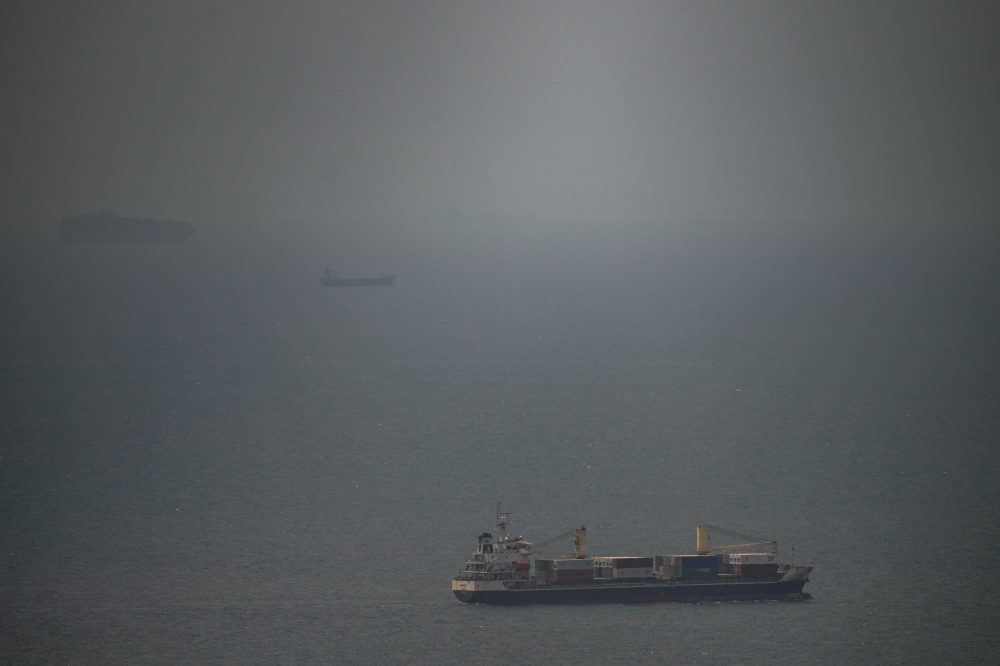

American naval forces intercepted an oil tanker connected to Iranian smuggling operations on Thursday, escalating tensions with Tehran just one day after Iran’s Revolutionary Guards commandeered two commercial vessels in the strategically vital Strait of Hormuz.
Pentagon officials released video showing U.S. personnel aboard the oil vessel Majestic X following its capture in the Indian Ocean waters.
“We will continue global maritime enforcement to disrupt illicit networks and interdict vessels providing material support to Iran, wherever they operate,” Pentagon officials stated.
Maritime tracking information indicated the Majestic X was positioned in Indian Ocean waters between Sri Lanka and Indonesia, approximately where American forces previously captured the oil tanker Tifani. The vessel had been heading toward Zhoushan, China.
Iranian officials have not yet commented on the vessel’s seizure.
Thursday’s action occurred one day after Iranian forces attacked three commercial ships in the strait, taking control of two vessels in an escalation of Tehran’s campaign against maritime traffic in the critical waterway that handles 20% of global oil shipments during peaceful periods.
The Majestic X operates under a Guyanese flag. The vessel was previously called Phonix and faced U.S. Treasury Department sanctions in 2024 for transporting Iranian crude oil in violation of American sanctions against the Islamic Republic.
On Tuesday, President Donald Trump extended a ceasefire agreement while keeping an American naval blockade of Iranian ports in place.
The ongoing confrontation between Washington and Tehran has essentially halted nearly all shipping through the strait with no resolution in sight.
The crisis has already caused fuel costs to surge well beyond the immediate region and increased prices for food and numerous other goods. Brent crude oil, the global benchmark, climbed above $100 per barrel, representing a 35% jump from pre-conflict levels, though financial markets continue to show resilience.
European Union energy commissioner Dan Jørgensen cautioned Wednesday about prolonged consequences for consumers and businesses, comparing the situation to other significant energy disruptions of the past fifty years. He reported the crisis is costing Europe approximately 500 million euros ($600 million) daily.