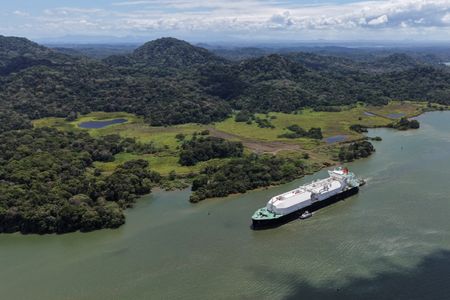

PANAMA CITY, April 16 – Officials with the Panama Canal Authority are disputing claims that a liquefied petroleum gas tanker shelled out $4 million to cut in line for quicker passage through the vital waterway, as conflicts in the Middle East drive increased shipping traffic to the canal.
Canal administrators issued a statement Thursday characterizing the auction outcome as a reflection of shifting market dynamics rather than pricing established by the waterway itself, though they declined to verify the actual amount paid during the bidding process.
“The recent outcome of an auction awarded to an LPG vessel reflects temporary market shifts and is not the result of a rate set by the Panama Canal,” authority officials stated.
According to the canal administration, auction pricing depends on multiple variables such as shippers’ time constraints, business priorities, shipping costs, fuel expenses, and worldwide supply and demand patterns.
Officials emphasized that auctions represent just one of multiple options for obtaining passage slots and are primarily utilized by customers requiring immediate scheduling confirmation.
The canal authority’s response came after Bloomberg News reported Thursday that one ship had paid the substantial sum during a recent auction to guarantee expedited transit as bottlenecks along the waterway intensified.
Vessel movement through the canal has surged as ongoing conflicts involving Iran disrupt established trade routes and compel buyers to find alternative supply sources, increasing shipments from American ports to Asian markets and other destinations.
Canal administrators stated they continue maintaining dependable operations despite instability in international commerce and global political tensions.
The authority also clarified that published waiting time statistics may exaggerate actual delays since their tracking system includes vessels arriving ahead of their scheduled transit windows as waiting, even when they show up early.
Current data from Thursday showed 102 ships holding confirmed reservations for canal passage, while another 25 vessels were queued without secured time slots.
During the initial six months of fiscal year 2026, the waterway processed 6,288 ocean-going vessel transits, representing a 3.7% increase compared to the previous year’s figures. Daily transit averages hit 34 ships in January and 37 during March, with busiest days recording more than 40 crossings.