
Pakistani authorities have intensified security operations and taken dozens of suspects into custody following concerns about potential retaliatory militant strikes after conducting weekend airstrikes across the border in Afghanistan, according to officials in Islamabad.
Junior Interior Minister Talal Chaudhry confirmed Wednesday that Pakistani forces remain on heightened alert status. “Our forces are on high-alert to combat any attacks,” Chaudhry stated to Reuters. “You know the militants always react whenever we go after their hideouts in Afghanistan.”
The weekend military operations targeted what Pakistani officials described as militant positions responsible for recent suicide bombings within Pakistan’s borders.
Pakistani leadership continues to hold the Afghan government accountable for providing sanctuary to extremist groups, while Kabul maintains its position that such militancy represents Pakistan’s domestic issue rather than cross-border terrorism.
Border tensions escalated Tuesday when Pakistani and Afghan military units engaged in gunfire exchanges, with both nations placing blame on the other for initiating hostilities.
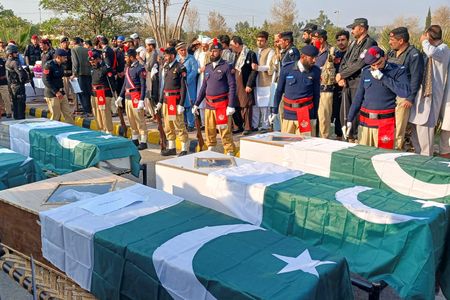
Recent militant violence has included an assault on law enforcement in Kohat city within Pakistan’s northwestern Khyber Pakhtunkhwa province, resulting in seven deaths including five police officers and two civilians, plus a checkpoint suicide attack that claimed two police lives.
According to Chaudhry, these revenge attacks demonstrate Pakistan’s assertions about militant connections operating from Afghan territory. He noted that security forces have successfully prevented multiple planned attacks recently while apprehending various suspects, including Afghan nationals.
“Security forces have accelerated search and intelligence based operations and have arrested dozens of suspected militants, their handlers and their facilitators,” the minister explained.
Intelligence sources revealed that Pakistani security agencies have issued warnings regarding anticipated increases in terrorist activities throughout the country in upcoming days.
Potential targets identified in these alerts include metropolitan areas, commercial districts, security installations, and religious facilities, according to intelligence sources.
“We have been given a strong caution about more terror attacks in our official communications. In this regard, we have almost doubled our search operations across Pakistan,” an intelligence official reported.
A second intelligence operative expressed concerns that while Khyber Pakhtunkhwa and Balochistan provinces already face ongoing terrorist threats, “we fear that Afghanistan will retaliate against Pakistan through terror networks in Punjab and Sindh as well.”
Extremist violence represents an escalating challenge for Pakistan, with incident numbers climbing annually since 2022, based on data from Armed Conflict Location & Event Data (ACLED), an international monitoring group.
ACLED statistics indicate attacks within Pakistan surged nearly four times to 2,425 incidents in 2025 compared to 658 in 2022, while TTP-related attacks during the same timeframe increased more than seven-fold from 118 to 838.