
A cancer specialist from Oregon finds himself as the sole American patient in a specialized isolation facility in Nebraska after exposure to hantavirus during a cruise ship outbreak.
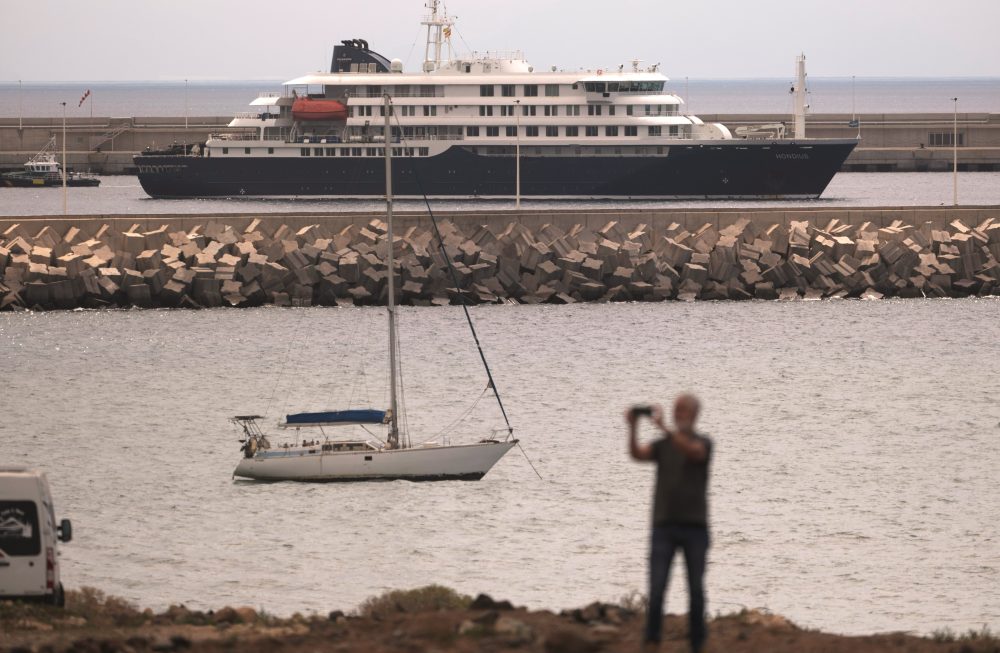
Dr. Stephen Kornfeld from Bend, Oregon, stepped up to assist other travelers who fell ill aboard the MV Hondius during an April voyage. He was part of more than 120 passengers and crew members who were removed from the vessel and transported to various nations for quarantine procedures.
Though 15 fellow Americans are under observation at the National Quarantine Unit at the University of Nebraska Medical Center in Omaha, Kornfeld was placed in a different isolation area after a nasal sample he provided while on the ship showed positive results for the virus.
“I feel wonderful, 100%,” Kornfeld shared with CNN’s “Erin Burnett OutFront” during a video interview from his hospital accommodation on Tuesday.
The physician mentioned experiencing flu-like conditions while aboard the vessel, including night sweats, chills and exhaustion, but stated he currently has no symptoms.
The World Health Organization announced Wednesday that 11 hantavirus infections connected to the cruise have been documented globally, with three fatalities reported. Laboratory testing has verified eight of these cases.
Kornfeld explained that a nasal specimen he provided on the ship underwent two separate examinations in the Netherlands. One test returned negative while the other showed positive results. He is currently waiting for outcomes from a fresh test conducted upon his return to the United States.
“The initial test that we received was from abroad and it was inconclusive in its results,” Dr. David Fitter of the U.S. Centers for Disease Control and Prevention informed reporters Wednesday. “So we’re in the process of testing currently and we hope to have those results back in a day or so.”
Beyond the passengers brought to Nebraska, two additional Americans are under surveillance at the serious communicable disease unit at Emory University Hospital in Atlanta.
Medical authorities report this marks the first hantavirus outbreak aboard a cruise vessel. Although no treatment or prevention exists for hantavirus, the WHO states that prompt identification and care enhance survival chances.
Public health experts indicate the danger to the broader population from this cruise ship incident remains minimal. Hantavirus typically spreads through rodent waste and does not easily transfer between humans, though the Andes virus found on the Hondius might spread person-to-person in uncommon situations.
The WHO recommends that all passengers and crew from the cruise remain in quarantine, whether at home or designated facilities, for 42 days.
Kornfeld characterized his accommodations in Nebraska as a hospital room equipped with a comfortable bed.
“It’s a little weird being in here by myself,” he said. “But the nurses come in, the doctors come in. I’m on WhatsApp all the time. It’s really amazing how quickly time flies.”