
Crude oil prices are experiencing their most dramatic weekly surge since Russia began its full-scale invasion of Ukraine in February 2022, driven by escalating Middle East tensions that have disrupted critical shipping routes and energy exports through the strategically important Strait of Hormuz.
This week alone, Brent crude futures have climbed 20%, while West Texas Intermediate has soared 25%. On Friday, Brent continued its upward trajectory, gaining $2.09 or 2.45% to reach $87.50 per barrel at 0953 GMT. Meanwhile, WTI increased $3.76 or 4.64% to $84.77. Both oil benchmarks are now trading at their peak levels since July 2024.
The situation could worsen significantly according to Qatar’s energy minister, who warned the Financial Times in an interview published Friday that he anticipates all Gulf energy producers will halt exports within weeks. Such a scenario, he predicted, could propel oil prices to $150 per barrel.
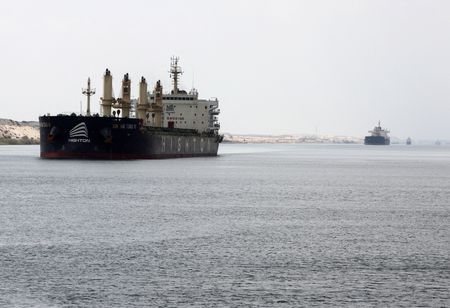
The dramatic price rally began following weekend strikes by the United States and Israel targeting Iran, which prompted Tehran to block tanker traffic through the Strait of Hormuz. This waterway is crucial to global energy markets, handling approximately one-fifth of the world’s daily oil supply.
The regional conflict has expanded throughout the Middle East’s primary energy-producing regions, causing production disruptions and forcing the closure of refineries and liquefied natural gas facilities.
“With every passing day, halted activities in Hormuz will have two major impacts on oil: the inability to store 20 million barrels per day and the lack of flow to the world, which could drive global energy prices higher,” explained Priyanka Sachdeva, senior market analyst at Phillip Nova.
When asked about rising U.S. gasoline prices connected to the conflict, President Donald Trump expressed little concern during an exclusive Reuters interview Thursday, stating “if they rise, they rise” and emphasizing that the military operation remained his top priority.
A White House representative indicated that the U.S. Treasury Department is preparing to announce measures aimed at addressing rising energy costs from the conflict. This news temporarily drove prices down more than 1% earlier Friday.
However, price declines were limited after Bloomberg News reported that the Trump administration has decided against using the Treasury Department to trade oil futures at this time.
On Thursday, the Treasury issued waivers allowing companies to purchase sanctioned Russian oil currently stored on tankers, aiming to alleviate supply shortages that have forced Asian refineries to reduce fuel processing.
Indian refiners received the initial waivers and have subsequently purchased millions of barrels of Russian crude, marking a reversal of months of pressure to cease such transactions.
Ship-tracking company Kpler estimates approximately 30 million barrels of Russian oil are currently available and loaded on vessels throughout the Indian Ocean, Arabian Sea region, and Singapore Strait, including volumes held in floating storage.
Despite the recent price increases, they remain relatively moderate compared to previous market shocks, such as in 2022 when Russia’s Ukrainian invasion pushed oil above $100 per barrel.
“It’s important to put this move into perspective: despite crude’s almost 20% surge this month, the price is currently just $3.40 above its average over the last four years,” noted IG analyst Tony Sycamore.