
Financial markets are bracing for a pivotal week as major central banks prepare to meet while oil prices surge past $100 per barrel due to the escalating Iran conflict entering its third week.
The weekend saw U.S. forces strike Kharg Island, Iran’s primary oil export facility, while President Trump worked to build international support for ensuring safe passage through the strategically vital Strait of Hormuz, which remains blocked.
This week brings a packed schedule of central bank policy meetings, including the Federal Reserve, European Central Bank, Reserve Bank of Australia, and Bank of England, all facing the challenge of responding to rapidly changing economic conditions.
The situation at the Strait of Hormuz remains fluid, with India successfully securing safe passage for two oil tankers over the weekend. However, Trump’s efforts to rally NATO partners and China for naval assistance have met mixed results, as several nations indicated Monday they have no immediate plans to deploy vessels to the region, despite reports that the administration may soon announce a coalition agreement.
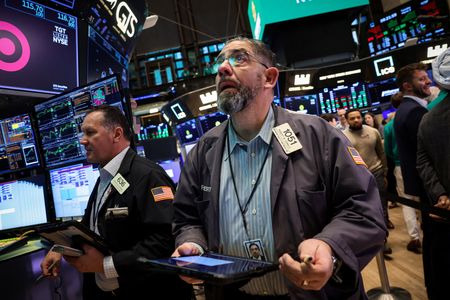
Asian markets showed mixed performance Monday, with Japan’s Nikkei declining 0.3% while South Korea’s KOSPI gained more than 1% following last week’s losses. European markets opened lower, though U.S. futures pointed to gains before the opening bell.
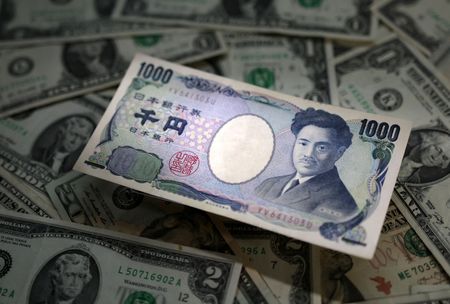
The dollar, which surged over 1% against major currencies last week, retreated slightly Monday while gold prices remained stable.
The Federal Reserve faces particular scrutiny when it meets Wednesday, with no rate changes anticipated but investors closely watching for commentary on inflation threats from sustained oil price increases and labor market concerns.
Recent economic data highlights the central bank’s dilemma: core inflation climbed to 3.1% in February based on personal consumption expenditures figures released Friday, while fourth-quarter GDP growth was revised downward to just 0.7%. Though these numbers predate the Iran crisis, they illustrate the dual risks of higher inflation and slower growth from an oil shock.
Market expectations have shifted dramatically, with a second Fed rate cut this year now eliminated from futures pricing, and the remaining anticipated cut pushed back to December.
Among this week’s central bank meetings, Australia may be the only one to adjust rates, potentially implementing its second increase this year, while others are expected to maintain a cautious stance.
China released stronger-than-expected retail and industrial data for January-February Monday, consistent with robust trade figures for those months, though these numbers also precede the recent oil price spike.
U.S.-China trade discussions in Paris entered their final day Monday, led by Treasury Secretary Scott Bessent. These talks precede a planned U.S. state visit to China later this month, though Trump suggested the visit could be postponed if China doesn’t assist with resolving the Hormuz blockade.
In corporate news, Meta is reportedly considering layoffs affecting up to 20% of its workforce, according to three sources familiar with the situation.
The global transportation sector continues facing severe disruption after Dubai’s international airport was struck by another drone Monday, forcing flight suspensions despite authorities quickly controlling the resulting fire. Air travel remains heavily impacted by the Iran conflict, which has forced closure of major Middle Eastern hubs including Dubai, Doha, and Abu Dhabi, leaving tens of thousands of passengers stranded.
Key economic releases Monday include U.S. February industrial production data and Canada’s February consumer price index figures.