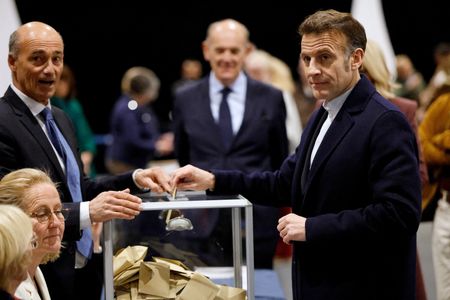

French voters participated in the initial round of mayoral elections on Sunday, offering insights into the nation’s current political climate ahead of next week’s runoff contests.
The far-right National Rally achieved notable victories in its established territories, securing Perpignan in the opening round and placing second in Marseille. A potential win in Marseille, the country’s second-most populous city, would represent a significant milestone for the party.
However, the party’s influence remains confined to specific regions. In France’s largest metropolitan areas beyond its Mediterranean base, the National Rally struggled to gain traction, earning less than 8% support in Paris, Lyon, Toulouse, Nantes, Strasbourg and Bordeaux. This pattern indicates the party’s efforts to broaden its mainstream appeal have not yet succeeded in wealthy, diverse urban areas.
The hard-left France Unbowed party, under Jean-Luc Mélenchon’s leadership, exceeded predictions and demonstrated continued strength despite facing campaign challenges. The party secured Saint-Denis, the Paris region’s second-largest municipality, in the first round and appears positioned to win Roubaix in northern France.
These victories occurred despite recent setbacks, including controversy surrounding the death of far-right activist Quentin Deranque in Lyon and antisemitism allegations following Mélenchon’s comments about individuals with Jewish-sounding names.
The party’s success creates complications for moderate left-wing groups as they prepare for next year’s presidential race. How Socialists and Greens approach potential partnerships with France Unbowed in upcoming runoffs will signal the left’s unity or division heading into national competition.
Environmental parties, which capitalized on global climate activism to win major cities in 2020, faced difficulties replicating their previous success. Economic pressures and international tensions appear to have shifted voter priorities away from environmental concerns. This change was evident as Strasbourg’s Green mayor finished third, while Green candidates in Bordeaux and Lyon face uncertain prospects in next Sunday’s decisive votes.
President Emmanuel Macron’s centrist coalition, historically weak at the local level, entered these elections with limited expectations following disappointing 2020 results. However, one contest held national importance: former Prime Minister Edouard Philippe’s campaign to regain his Le Havre mayoral position.
Philippe exceeded polling forecasts by capturing 43.8% of first-round votes, positioning himself favorably against Communist and National Rally opponents in the runoff. Success would strengthen his credentials as a leading centrist candidate for the 2027 presidential election and potentially pressure other potential candidates, including former prime minister Gabriel Attal, to support his bid.
In Paris, left-wing parties appear likely to maintain their quarter-century control of the capital. Socialist Emmanuel Grégoire topped the first round with 38% support, leading conservative opponent Rachida Dati by more than 10 percentage points, effectively endorsing the environmental policies of the departing mayor.
The Paris race’s surprise came from nationalist candidate Sarah Knafo, who has built international recognition and attended U.S. President Donald Trump’s inauguration ceremony. Her 10% vote share qualified her for the second round, illustrating the strategic dilemma facing traditional conservatives before the presidential election: whether to isolate the far right and risk electoral defeat, or pursue collaboration with these groups.