
Crude oil markets experienced a sharp upward swing Tuesday morning, with prices climbing more than 2% as traders remained concerned about global energy supplies amid the continuing conflict involving Iran.
Brent crude futures climbed $2.48, representing a 2.5% increase to reach $102.69 per barrel by early GMT trading, while U.S. West Texas Intermediate crude advanced $2.42, or 2.6%, settling at $95.92.
This uptick reversed Monday’s significant declines, when Brent futures dropped 2.8% and U.S. West Texas Intermediate crude tumbled 5.3% after some shipping vessels managed to navigate through the contested waterway.
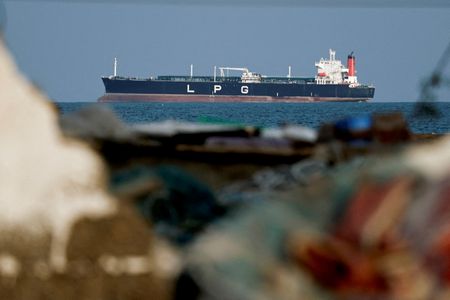
The Strait of Hormuz, which serves as a critical passage for approximately 20% of global oil and liquefied natural gas commerce, has faced major disruptions due to the ongoing U.S.-Israeli military action against Iran, now entering its third week. These developments have sparked widespread concerns about potential energy shortages, escalating fuel costs, and increased inflation pressures.
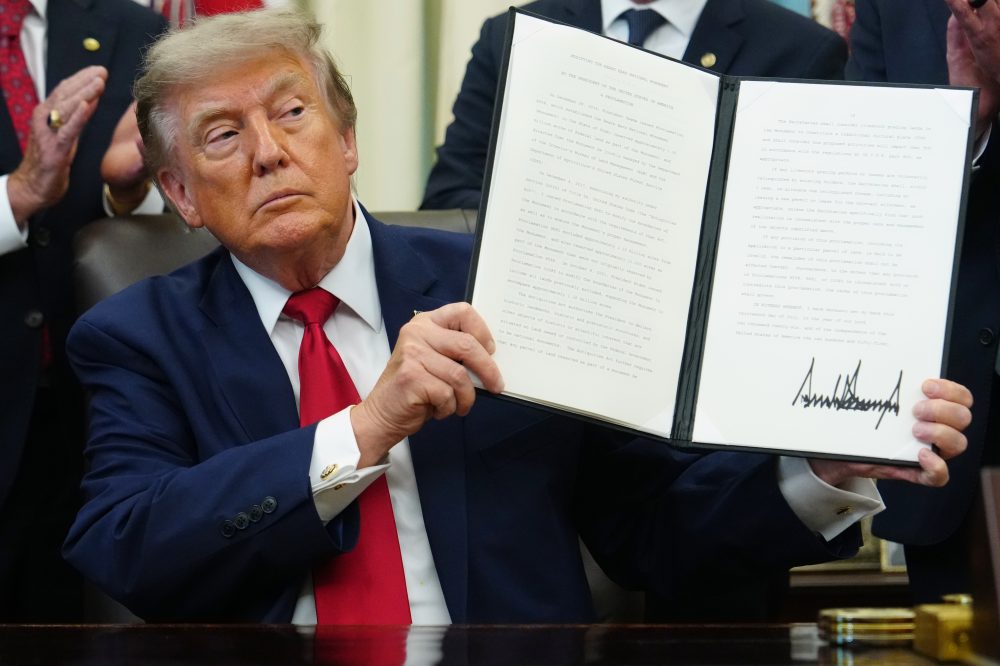
Multiple U.S. allies declined President Donald Trump’s Monday request to deploy naval vessels for protecting commercial shipping through the Strait of Hormuz, prompting sharp criticism from Trump, who condemned Western partners for showing ingratitude following decades of American support.
“The risks remain stark: It only takes one Iranian militia to fire a missile or plant a mine on a passing tanker to reignite the entire situation,” IG market analyst Tony Sycamore said in a note.
Meanwhile, Iran has requested that India release three oil tankers that were confiscated in February, as part of ongoing negotiations aimed at ensuring safe transit for Indian-flagged vessels and India-bound shipments through the Gulf via the Strait of Hormuz, according to three sources familiar with the discussions who spoke to Reuters.
The practical shutdown of the strait has compelled the United Arab Emirates, which ranks as the third-largest oil producer within the Organization of the Petroleum Exporting Countries, to halt production operations, cutting its output by more than 50%, two sources confirmed to Reuters.
In response to mounting energy costs, the International Energy Agency’s leadership has proposed that member nations consider releasing additional oil supplies, supplementing the 400 million barrels they have already committed to withdrawing from strategic reserves.
Several financial institutions have revised their long-term price forecasts upward, anticipating extended supply disruptions. Bank of America increased its 2026 Brent crude projection to $77.50 per barrel from the previous $61 estimate, while Standard Chartered elevated its forecast to $85.50 from $70.
Bank of America explained in their analysis that their updated projections consider two scenarios with equal probability: a rapid resolution restoring normal shipping flows by April that would bring Brent prices near $70, or extended disruptions continuing into the second quarter that could push prices toward $85.
Israeli officials announced they have comprehensive military plans extending at least three additional weeks as their forces conducted overnight strikes targeting locations throughout Iran.