
Nine individuals deported from America touched down in Sierra Leone on Wednesday, according to officials from the West African nation, marking another instance of controversial third-country deportation agreements implemented by the Trump administration.
The group included five people from Ghana, two from Guinea, one from Senegal, and one from Nigeria, the ministry of information reported. These arrangements have sparked concerns about whether the rights of those being deported are being properly protected.
Officials stated that the newly arrived individuals “have been checked into their hosting facilities, are comfortable and receiving the necessary support.” Authorities had originally anticipated 24 people would arrive but did not explain the discrepancy.
Alma David, an immigration attorney with the U.S.-based Novo Legal Group who assists deportees, suggested the reduced number could be due to several deportations being stopped just before the aircraft departed from the United States.
Court records reviewed by The Associated Press show that a U.S. federal judge prevented one woman’s deportation to Sierra Leone after authorities failed to allow her to pursue protection under the Convention Against Torture, which is legally required.
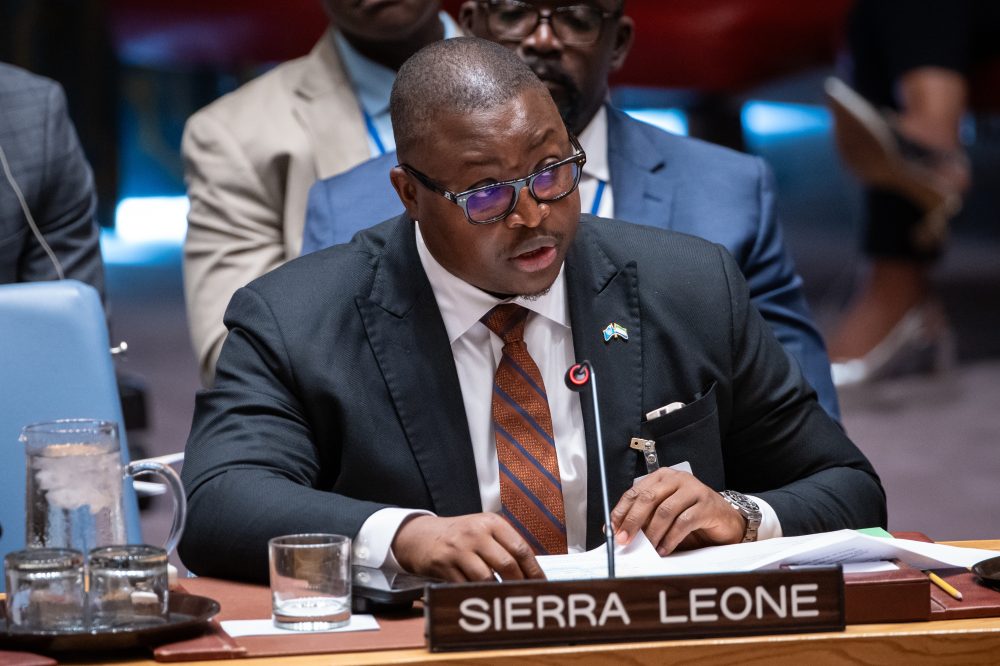
Sierra Leone’s foreign minister, Timothy Kabba, informed local news outlets Wednesday that his government has agreed to temporarily house migrants deported by the Trump administration, explaining it only takes West African citizens and the arrangement is backed by a $1.5 million U.S. government grant.
America has established third-country deportation agreements with at least eight additional African countries, many of which are among those most affected by the Trump administration’s restrictions on trade, assistance, and immigration. The other African countries known to have signed such deals include Congo, Equatorial Guinea, South Sudan, Rwanda, Uganda, Eswatini, Ghana and Cameroon.
Multiple nations on this list have notably oppressive administrations and troubling human rights histories, including Eswatini, South Sudan and Equatorial Guinea.
According to State Department documents, some countries have received millions of dollars in exchange for these agreements. Most deal specifics remain confidential.
Legal experts and advocacy groups have questioned the nature of these arrangements with African and other countries.
A week ago, a federal judge commanded the Trump administration to return a Colombian woman to the United States from Congo after she was sent there despite that country’s refusal to accept her due to its inability to address her medical requirements.